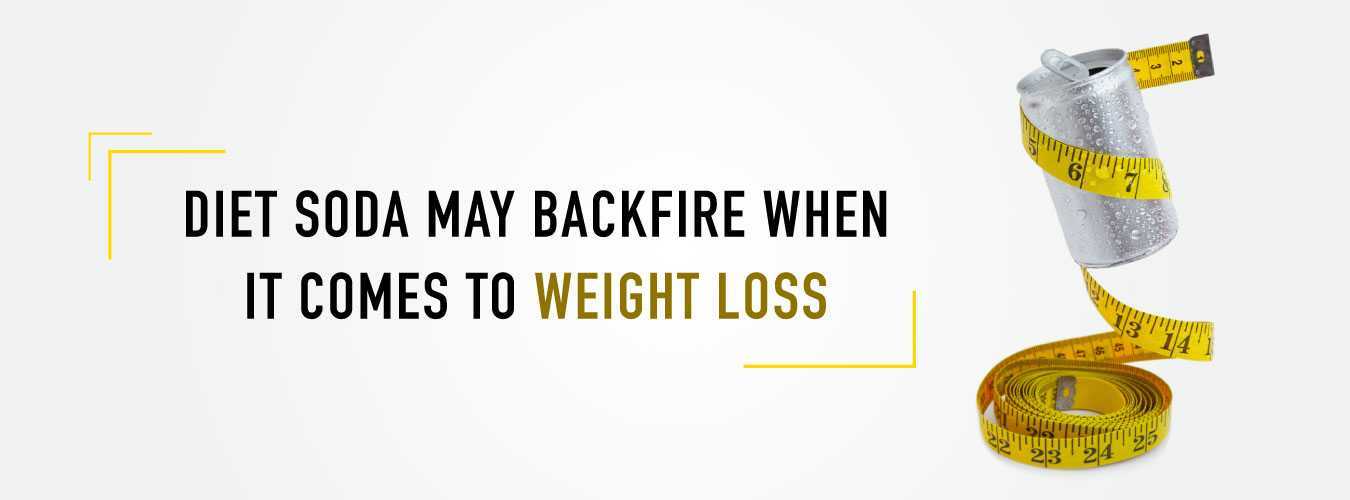
Diet Soda May Backfire When It Comes to Weight Loss
19 January 2021


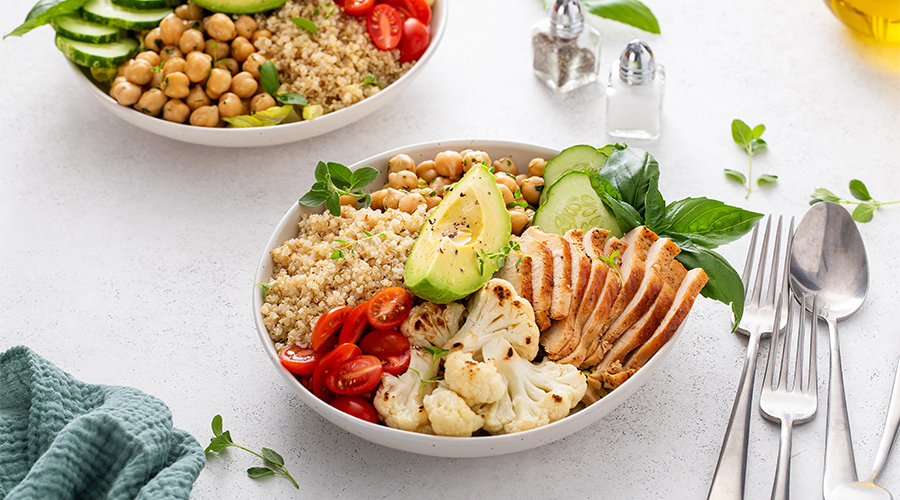
Hello Ziddis! We grew up hearing “eat your veggies” at the dining table from our elders. Often scolded, we would eat them disappointedly. Growing up as athletes and fitness enthusiasts, we now don’t have any other option but to have them on our plate. If one is a vegetarian or vegan athlete, then this becomes a part of their protein intake. But aren’t veggies known for their fibres, not proteins? No! Some plant-based foods have a really high protein ratio, making them important to be a part of your diet. Let us understand how they help.
Protein is essential for muscle repair, immune function and overall health. While animal products are traditionally known for their complete proteins, vegetarians and vegans now have an option to get them through plant-based foods too.
Here are your best shots at plant-based protein sources
Including these in your diet can ensure that you get all the essential amino acids and proteins you need. By playing around with their quantity, you can make sure your daily protein intake is fulfilled.
A high-protein vegetarian or vegan diet is not just about eating more to make up for the less protein, it is about eating smarter. Here are some combinations to make sure you have your comfort food with some protein.
Some easy-to-make meal ideas for every meal of the day are:
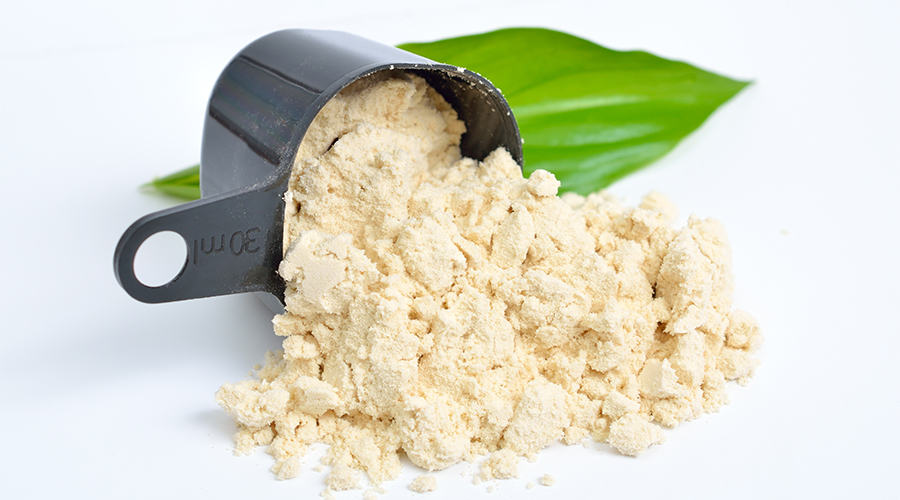
Plant-based proteins offer more than just fuel for your muscles; they are:
Typically lower in saturated fats
Read Also: Your Complete Guide to a Plant Based Protein Diet
Building muscles and staying fit with plant-based diets is absolutely possible. The key is variety and creating smart combinations. With better planning, a vegan or vegetarian diet can provide you with all the nutrients you need for strength, recovery and endurance.
 100% Safe & Secure payments: