Best Anti-Inflammatory Foods for Faster Muscle Recovery
7 May 2025


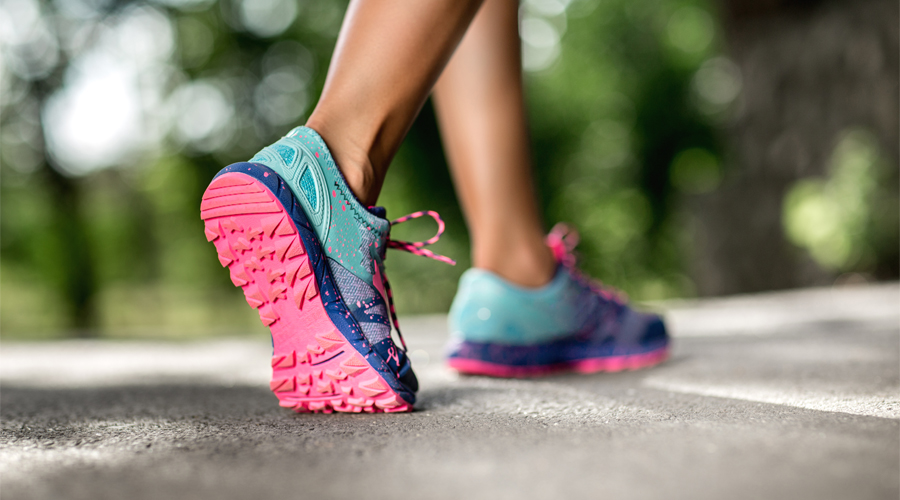
Hello Ziddis! Running starts with motivation and continues through your choice of shoes. Every step you take while running sends forces through the foot, ankle, knee, hip and even the lower back. Shoes don’t eliminate these forces, but they can change where and how the load is absorbed. Cushioning, heel drop and overall shoe design all impact how your feet feel through the forces.
When your foot hits the ground, there is an interaction. The ground reaction forces travel upwards through the body. Shoes help modify this force by:
Highly cushioned shoes often reduce the sharpness of impact, while minimal shoes allow more force to be absorbed by muscle and tendons rather than foam.
Impact forces are influenced by three major factors based on shoes:
Different shoe designs shift stress across joints:
1. Ankles
2. Knees
3. Hips
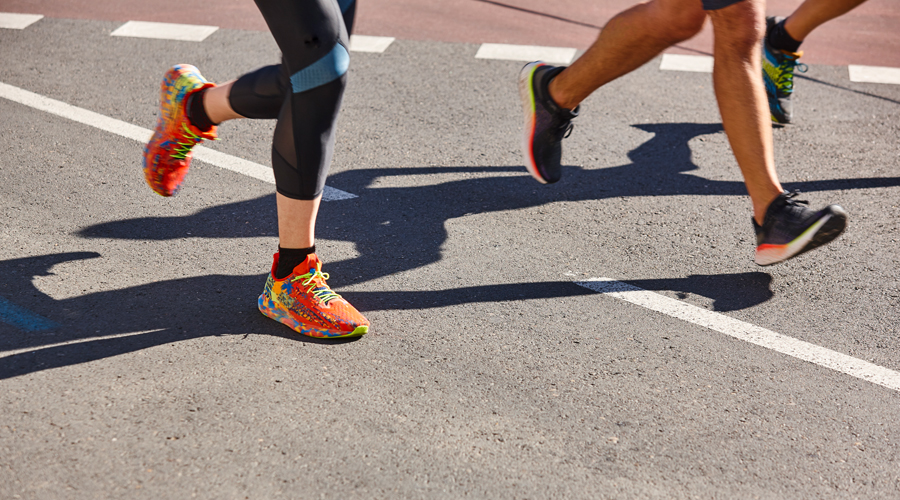
Shoes are meant to absorb the shock that is caused by ground reaction. This shock absorption works in 2 ways:
Read Also: Hybrid Athletes: Why People Are Lifting and Running Together Now
Running shoes do not mean that the impact force is nullified. Running shoes help redirect it. Cushioning, heel drop, and design help spread the stress where it needs to. The best shoes are not the softest or the most minimal, it is the one that fits your body, training style and surface without sudden pressure or change. Trusted fitness accessories like shakers, duffel bags, and comfy workout attire can add more efficiency to your fitness routine. With right shoes, you can achieve your fitness goals faster.
 100% Safe & Secure payments: