Gut Health 101: Foods, Habits, and Supplements That Help
19 May 2025


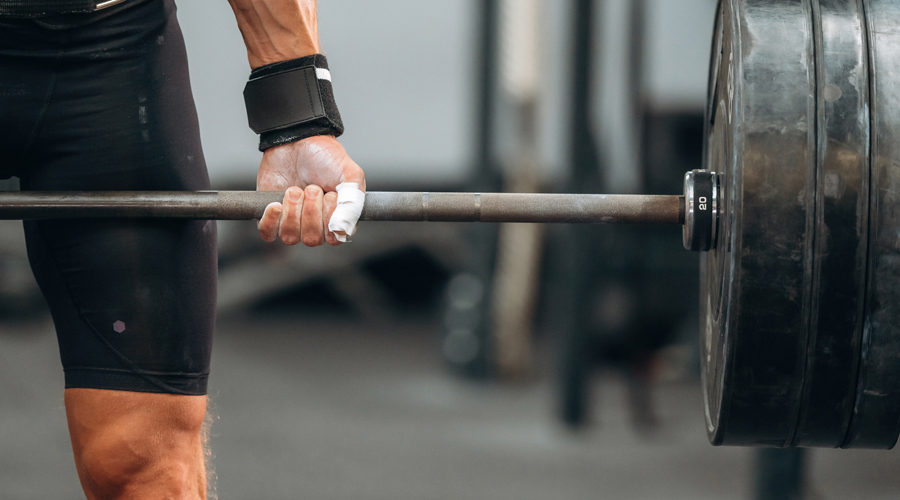
Hello Ziddis! Do you think of breathing as just air flow in and out during a lift? Your breathing pattern directly affects intra-abdominal pressure (IAP), spinal stability, oxygen delivery and fatigue management. If we do it the right way, it boosts strength and control. If done wrong, it reduces your strength, destabilises your spine and makes the lifts feel harder than they should. This is what your breathing pattern does to your lifts.
Diaphragmatic breathing is how you can breathe the right way for effective lifting mechanics. Instead of lifting the chest or shrugging the shoulder, the diaphragm descends, and the abdomen expands from all sides, front and back.
This matters because when the diaphragm descends and the core muscles brace against it, and when that happens, the intra-abdominal pressure increases. That pressure acts like an internal weight belt, stiffening the spine and allowing force to transfer efficiently from the legs and hips into the bar. Here is what happens:
In short, the diaphragmatic breathing is what allows bracing and Valsalva to work, and without it, you would just be lifting on a soft core.
Diaphragmatic breathing exercises train your ability to generate and control abdominal pressure before applying it under load. Some you could try during your workout are:
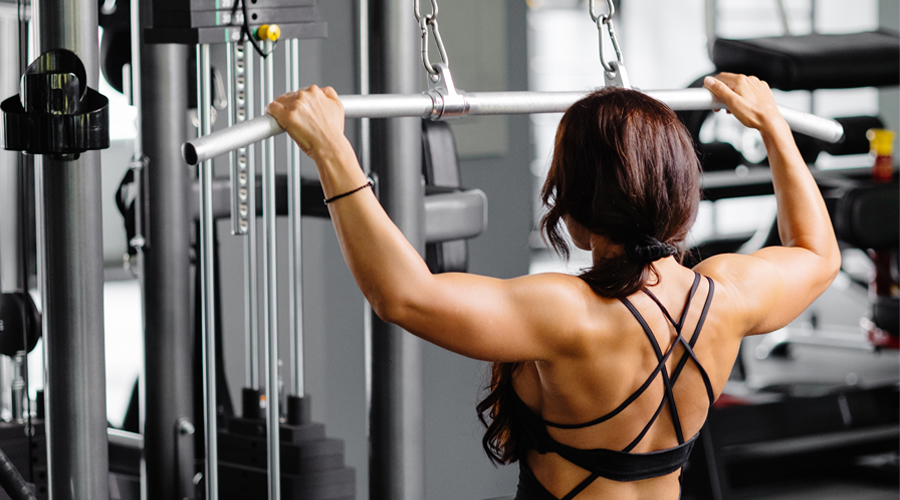
When diaphragmatic breathing is paired with proper bracing timing, several performance factors improve:
Compared to shallow breathing, diaphragmatic breathing allows you to stay tight where it matters while relaxing what doesn’t, saving energy for the lift itself.
Read Also: The Power of Breathwork in Fitness
Your breathing pattern can either support you while you lift or sabotage your lift. Diaphragmatic breathing helps you add more stability to your lifts. Slow breathing and poorly timed exhales are out of the window. In 2026, we have the right fitness accessories, shakers that hold our protein shakes and routines and lift as easily as breathing.
 100% Safe & Secure payments: