The Role of Omega-3 in Fitness and Recovery
28 August 2025


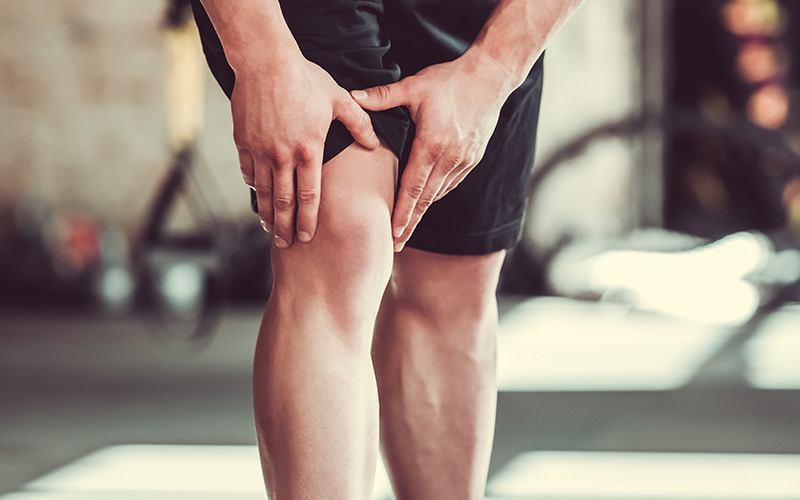
Hello Ziddis! Have you felt great after working out and then suddenly a soreness sets in that occurs hours after a workout is what most people refer to as “workout soreness,” but it is more accurately known as DOMS, or Delayed Onset Muscle Soreness. DOMS is not arbitrary. It is not a sign of weakness. And, no, it is not an indicator of a “good” workout. DOMS is merely your body adapting to physical stress. Understanding what DOMS is and how to deal with it can be a game changer for your routine.
DOMS is an acronym that stands for Delayed Onset Muscle Soreness, and it typically occurs 12 to 72 hours post-exercise. DOMS is not the pain you feel during exercise, but rather the soreness that develops after the fact.
Delayed Onset Muscle Soreness typically occurs when you:
DOMS is not an injury and is not indicative of damage in a negative way. DOMS is actually a natural response to exercise.
DOMS is an acronym that stands for Delayed Onset Muscle Soreness, and it typically occurs 12 to 72 hours post-exercise. DOMS is not the pain you feel during exercise, but rather the soreness that develops after the fact.
Delayed Onset Muscle Soreness typically occurs when you:
Delayed Onset Muscle Soreness is not an injury and is not indicative of damage in a negative way. DOMS is actually a natural response to exercise.
This is one of the most harmful fitness myths: “soreness is a measure of workout quality” What soreness reflects is tissue inflammation, unaccustomed stress, and new movement patterns, but it does not reflect muscle growth, strength gain, or training effectiveness. Progress, quality, and fitness improvement are important too.
There is no magic solution for an actual recovery, which is easy and physiological.
But what does not help with DOMS is:
Read Also: What’s the Science Behind Delayed-Onset Muscle Soreness (DOMS)?
Reducing DOMS in the long run is achieved through effective training, not tricks. Progress incrementally rather than shocking your system with abrupt volume or intensity increments. Warm up thoroughly to precondition your tissues to the stress. Train regularly rather than erratically. Control training volume rather than seeking exhaustion. Recovery is part of progress. To support your fitness journey, you can start with a proteinous diet which includes fit foods and oats protein.
 100% Safe & Secure payments: