Caffeine-Free Ways to Boost Energy
17 October 2024


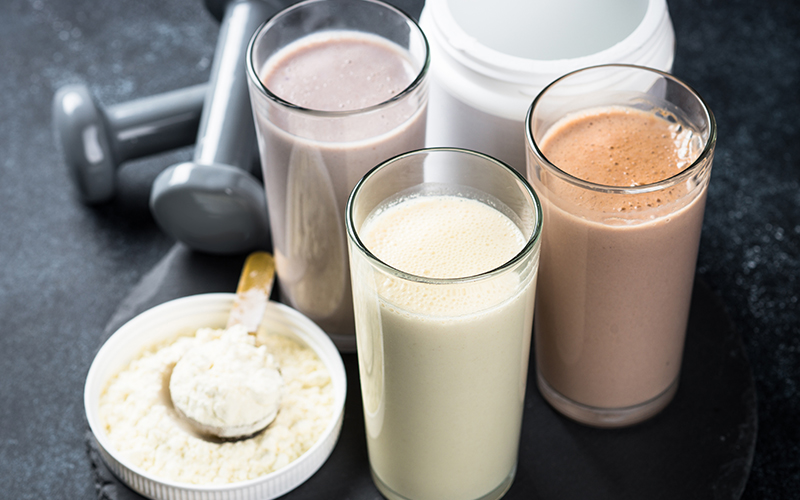
Hello Ziddis! The journey towards better health often begins with a realization that your body is constantly under construction. And what does it need when it needs to build? Bricks! The proteins. Every day, protein repairs, replaces and creates for your body. The obsession with protein intake is not just a fitness fad. It is a realization that by having more protein, your body can build to be stronger. But how do you know you are having protein the right way? True wisdom in nutrition lies in understanding balance and sustainability over raw numbers.
One of the most common mistakes one commits is viewing protein as only a source for muscle gain. The truth is that protein is the most expensive macronutrient for your body to process. This means that your body needs more energy to digest protein than it does to digest carbs of fats. This way, it can signal your brain that you are full. When you neglect protein, you are missing out on muscle.
What are some common pitfalls you need to avoid?
To find your baseline, you must look are your biological demand. If you have a desk job your demands would be different than someone who runs marathons and even different from someone who does ground work. What would work best is if you calculate your need based on your total body weight. Simply follow this fomula:
To maintain your body weight and muscle mass: 1.2 grams of protein per each kg of your body weight. For example: If your body weight is 75kg, you will need to have 75 X 1.2 grams of protein = 90 grams of protein every day.
If you want to build an athletic built or have an active lifestyle, have 1.6 grams of protein per kg of your body weight. For example: If your body weight is 75kg, you will need to have 75 X 1.6 grams of protein = 120 grams of protein every day.
When you are following a calorie deficit diet, protein is an asset. When the body is short on energy, it becomes catabolic which means it may begin to break down its own muscle tissue for fuel. High protein intake acts as a shield, signalling your body to burn stored fats and spare the lean muscles.
| Goal | The Wisdom Behind It | |
| Fat Loss | 1.8 grams to 2.4 grams per kg of your body weight | Higher intake preserves metabolic rate and suppresses the hunger hormone, Ghrelin. |
| Body Recomposition | 1.6 grams to 2 grams per kg of your body weight | Provides enough building blocks to lose fat and gain slight muscle simultaneously. |
Muscle protein synthesis aka MPS is the process of repairing and growing muscle tissue. To keep this process going, there needs to be a threshold of roughly 25 grams to 40 grams of high-quality protein per meal. For muscle growth, your total daily target should be around 1.6 grams to 2.2 grams per kg. Beyond this point, your body simply oxidizes the extra protein for energy rather than using it for repair.

Muscle building starts in the kitchen. It is about friction reduction between your nutrition and food. If you think it is tough to streamline it, you might already be consuming some high protein foods you might already be consuming.
Read Also: Are You Overestimating Your Protein Intake? How to Calculate It Accurately
While protein is the most important element of your meal, you can think of protein intake as a game to collect your protein points by the end of the day. Adding some fun to it can help. By spreading across your protein needs throughout the day, you can end up completing your protein intake goal easily. Look beyond cutting carbs and start adding proteins. Gym supplements such as creatine also require good protein backing. So protein up for your fitness routine!
 100% Safe & Secure payments: