Beyond Protein: Essential Vitamins and Minerals for Muscle Growth
13 October 2025



Ziddis, have you ever asked yourself why some people can burn calories for breakfast and others can’t, despite eating fewer calories? The answer to this is something called Resting Metabolic Rate (RMR). Knowing and improving your RMR can be the answer to making weight loss less frustrating and more sustainable.
Your Resting Metabolic Rate (RMR) is the number of calories that your body burns at rest to keep you alive. This includes breathing, digestion, circulation, and brain function.
While Basal Metabolic Rate (BMR) is often used interchangeably with Resting Metabolic Rate (RMR), there is one difference:
So, RMR is used because it is closer to real life.
Your Resting Metabolic Rate (RMR) is important because it contributes to 60-70% of your total daily calorie burn. This means that:
If your Resting Metabolic Rate (RMR) is high, your body is burning calories for energy even when you are doing nothing.
One of the most accurate and commonly used equations for predicting RMR is the Mifflin-St Jeor equation.
RMR=10W+6.25H-5A-161RMR=10W+6.25H-5A-161RMR=10W+6.25H-5A-161
Explanation of the variables:
Example:
Suppose your weight is 75 kilograms, your height is 160 centimetres, and your age is 25 years.
Then, your RMR ≈ is 1450 calories/day.
This means your body burns 1450 calories every day without any kind of exercise. If you multiply this by your activity level, you will get your daily caloric needs.
Several factors affect your RMR, some of which are beyond your control.
Muscle tissue burns more calories compared to fat, even when your body is at complete rest. The more muscle tissue your body has, the higher your RMR.
As your body ages, your RMR will also decrease. This is due to the reduction in muscle tissue.
The balance of hormones, particularly thyroid hormones, is an important determinant of your RMR. Other hormones, such as those with Polycystic Ovary Syndrome (PCOS), also affect your RMR.
When you sleep poorly, you may not be as metabolically efficient and may have more hunger hormones, making it more difficult to lose fat.
When you crash diet repeatedly, you may end up lowering your RMR over time. This is partly due to reduced muscle mass and reduced physical activity levels.
The best news is that you can increase your RMR through various methods.
Strength training is one of the best ways to increase your RMR in the long term. Muscles contribute to increased calorie burn at rest.
Recommended frequency: 3-5 times per week, emphasising progressive overload.
Protein is essential for building and repairing muscles. Protein is also more “thermogenic,” meaning you burn more calories when you digest it.
Recommended protein intake: 1.6-2.2 grams per kg body weight.
NEAT is all physical activity outside of training, including walking, cleaning, or even fidgeting.
Increasing your NEAT levels can significantly increase your calorie burn over time.
Aim for 7-9 hours of quality sleep to keep hormones and metabolism in check. This will also prevent fat loss and increase energy levels.
Extreme dieting can result in loss of muscle mass and reduced activity levels. This will eventually bring down your metabolism.
Instead, you should focus on achieving a moderate calorie deficit that will result in fat loss while keeping you safe.
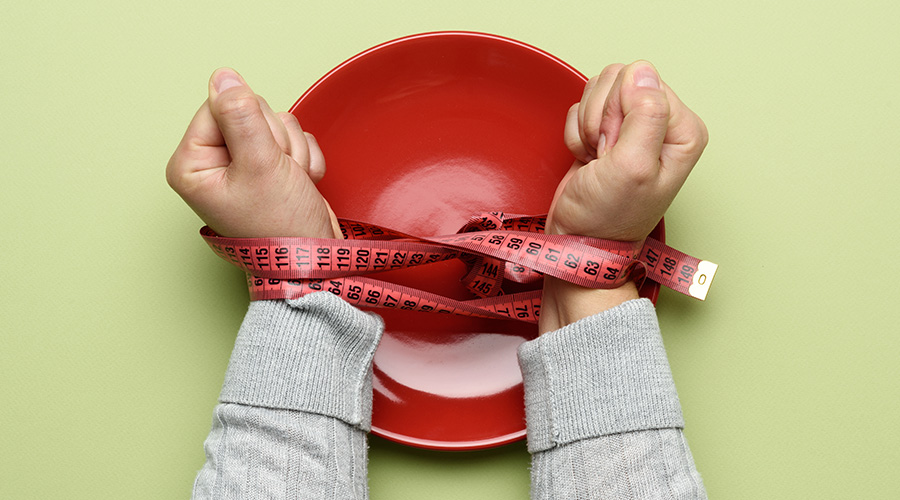
It is said that if you do not eat food for a while, your body will stop fat loss altogether. This is not true.
This is not true because if you do not eat food for a while, you will lose muscle mass and energy levels. This will bring down your metabolism and make fat loss slower. This does not mean that fat loss has stopped. It has slowed down. It has not stopped.
Read Also: Reverse Dieting: Fixing Your Metabolism After Crash Diets
Your body’s metabolism is not fixed. It can be altered. The most important thing to keep in mind is that Muscle mass is the biggest driver of your Resting Metabolism Rate.
Instead of going for quick fixes and extreme dieting, you should focus on building muscle mass. You can take the help of Creatine or other muscle-building gym supplements too!
 100% Safe & Secure payments: