Role of Casein in Preventing Muscle Breakdown
3 May 2023



Muscle atrophy is your body’s way of adapting to the lower demands placed on your muscles. When your muscles are used less, they get weaker, shrink, and become less efficient. It is a natural biological process, but it can happen in a shorter period of time than most people think, and it can take effort to reverse it.
Muscle atrophy is the process of losing muscle mass, strength, and function. It happens when your body loses the balance between the amount of muscle protein used to build your muscles, called muscle protein synthesis, and the amount of muscle protein used to lose your muscles, called muscle protein breakdown.
There are two types of muscle atrophy, namely:
At a biological level, your body stops making new muscle tissue, which causes your muscles to lose their mass, making them shrink.
How quickly does it happen?
Muscle atrophy surprisingly happens within a short period of time. It can happen within 1-2 weeks of complete rest or inactivity.
Muscle wasting is similar to atrophy but is usually linked with more severe and systemic disease. The symptoms of muscle wasting are:
In severe cases, it may even affect the metabolic rate and posture and even overall health because the muscles are responsible for burning calories and regulating blood glucose levels.
The reasons that may cause atrophy are:
1. Inactivity
2. Ageing or Sarcopenia
3. Nutritional Deficiencies
4. Diseases and Injuries
5. Hormonal Changes
There are also medical conditions that can increase muscle atrophy:
However, it’s good news for you that muscle atrophy is preventable and reversible up to a point.
1. Resistance Training (Non-Negotiable)
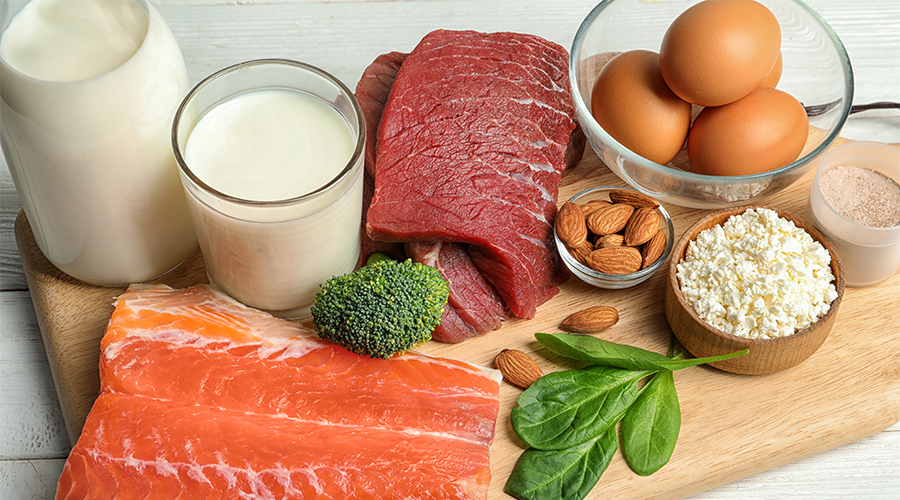
2. Prioritize Protein
3. Stay Active Daily (NEAT)
4. Recovery & Sleep
Read Also: Magnesium: The Unsung Hero of Sleep and Muscle Recovery
Muscle atrophy is a natural process that’s also preventable, and the best way to prevent it is by moving, training, and eating right. But here’s the best part: muscle memory is real. When you’re training, your muscles grow more nuclei in their cells. And even when you’re not training, and you lose muscle mass, those nuclei still stick around. And when you go back to training, your muscles can recover more quickly than when you first started. So, taking a break is not the same as losing all your gains, and it’s not the wins that matter, but the wins over time. And if you have lost muscle mass, muscle memory is there to save the day. For those who are serious about muscle gains, you can consider adding BCAA and protein powder to your fitness regimen.
 100% Safe & Secure payments: