
How Surface Choice Affects Joint Load
29 January 2026


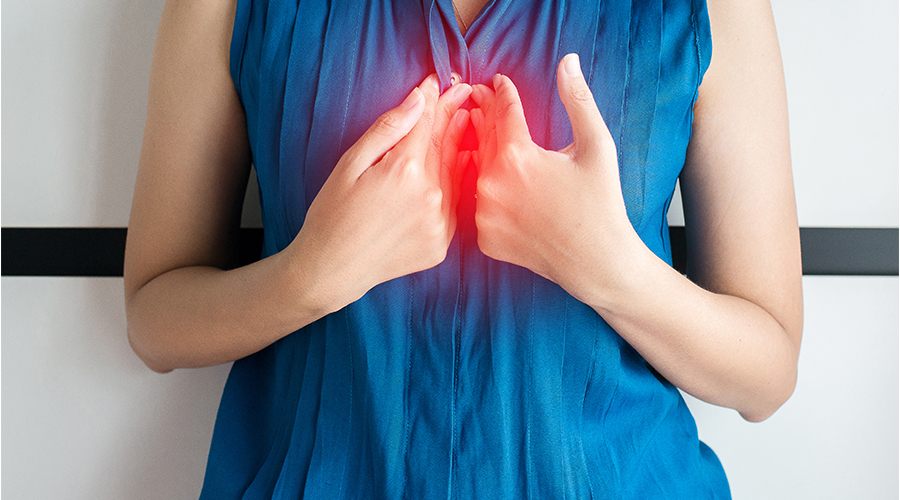
Hello Ziddis! Do you get the feeling of burn inside your chest that comes after eating? While it might seem easy to dismiss the feeling as a side effect of eating too spicy or overeating, recurrent issues might mean you are suffering from acid reflux or heartburn, which your body wants to highlight as a warning sign.
In acid reflux, the acidic contents of the stomach regurgitate back into the oesophagus, which connects the mouth to the stomach and causes irritation in the lining of the tube, giving a burning sensation. Around 825 million people globally were living with acid reflux/GERD in 2021
Some common factors that lead to acid reflux are:
Heartburn, the most common symptom of acid reflux, has nothing to do with your heart. It refers to a burning feeling in the chest, usually after meals. It can be:
While occasional heartburn can happen, recurring cases should never be taken lightly.
Apart from burning, other symptoms may be:
Should such symptoms recur, your digestive system may be experiencing a rougher time than you can imagine.

Countries like India report some of the highest numbers of acid reflux cases worldwide, largely due to population size and changing food habits. Fortunately, some simple steps can help improve this condition dramatically.
Eat Better
Improve Timing
Change Your Lifestyle
Immediate Remedies
Read Also: The Blue Zone Diet: What to Eat to Live Longer
It is not wise to accept this burning sensation after meals as normal. This may occur occasionally, but recurrent acid reflux or heartburn means your body needs help. Consulting a physician should be done if such symptoms recur twice a week or more, or become worse over time and start interfering with your activities. Remember that your body knows best!
 100% Safe & Secure payments: