Generic selectors
Exact matches only
Search in title
Search in content
Post Type Selectors

Level up your fitness journey with MuscleBlaze

Ram Tiwari

Are You Working Out Too Much? The Importance of Rest and Active Recovery

Hi there, Ziddis! Everyone enjoys the hormone rush, the sense of accomplishment, and seeing your gains pump up after a solid workout. But what if I told you that sometimes, resting is going to help you gain better than overexerting yourself? Yes, you read it right! In the world of fitness, rest, recovery and downtime are equally important as intense, heart-pounding exercises. Let’s see why taking a break for your body for muscle recovery after a sweaty workout could be the best thing you can do to achieve your goals faster!

The Advantages of Muscle Recovery and Resting

1. Helps In Growth and Repair of Muscles

    Exercise breaks down muscle tissue in addition to burning calories and producing sweat. Your muscles repair themselves during rest and recovery, growing healthier and stronger in the process. So, you must allow your muscles the time they require to heal if you hope to see sustainable improvements.

    2. Stops You From Overdoing Your Workout

      Excessive exercise without enough rest can result in overstraining your muscles, making you experience exhaustion, poor performance, and a higher risk of injury. Adding a few rest days to your schedule can lower the risk of burnout and overtraining by allowing your body to repair and recover your muscle gains.

      3. Restock Glycogen

        Our muscles store energy like a gas tank (glycogen). Exercise uses that energy, leading to fatigue. Rest days are like refuelling, letting your muscles restock glycogen, and get ready for the next workout.

        4. Helps Your Body To Overcome Adaptation 

          Our bodies are amazing at adapting to exercise, just like learning a new skill. We get stronger and fitter, but eventually, those workouts become easier. To keep pushing progress, you need to challenge your body with more difficulty. Rest days become the secret weapon here. They allow your body to recover from the stress of exercise, so when you hit the gym again, you’re primed to tackle a tougher challenge and keep those gains coming.

          5. Gets You Better Results

            Opposite to common belief, rest and recovery improve your performance over time. Giving your body and your muscles the rest they need to heal from small injuries and build strength rather than straining yourself too much to keep pushing is very important to get good results. Staying consistent is important but so is knowing when to rest and recover. You’ll be able to push yourself harder, lift more weight, and perform much better when you get back to the gym rested. You will see better gains out of this.

            Signs of Post Workout Muscle Soreness

            Now that you understand the importance of recovery and time to rest for your progress, let’s check out the telltale signs of overtraining in your exercise routine.

            1. Post-Workout Muscle Soreness

              It’s normal to feel sore after a good workout and that is how the workout and gains mechanism works but if it continues or gets worse, it might mean that you’re pushing yourself beyond your body’s limit. Ignoring this sign and still training on sore muscles could get you seriously injured and you will end up spending a lot more time in recovery.

              2. Messy Mood Swings

                You should feel great after working out, right? Well, you could feel irritable or even anxious if you are overtraining. Physical fatigue and stress on the body may be the reason for these mood changes. It could be time to cut back on your workouts and focus more on recovery if you notice a shift in your mood.

                3. Constant Exhaustion

                  A sweaty workout gets you tired but if it stays on for a long time and the exhaustion is seeping into your everyday work and life it is something to think about. If your exhaustion doesn’t go away after your regular rest, it may be a sign that your body isn’t getting enough time to recover in between workouts. If you do not pay attention to it in time it will make you feel tired, inactive, and unproductive all the time.
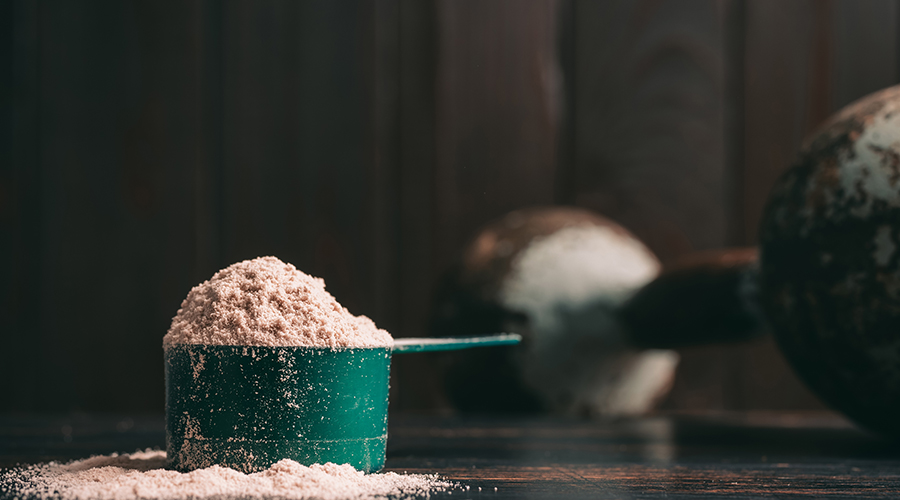
                  Post Workout Recovery for Muscle Soreness

                  Recovery is when the magic happens. Now that you know that this is the time when your body rebuilds itself, gains muscle, and gets its energy back, Here’s what you should do during your post-workout recovery:

                  1. Drink Plenty of Water!

                    Always carry your big bottle everywhere you go especially to the gym. Your body needs to make up for the fluids it loses after working out. Water helps your body filter out toxins. Try adding some electrolytes to your water to help you gain back the salts and minerals you lose from intense sweaty workouts.

                    2. Fuel Up With The Right Nutrients

                      Your body needs fuel to recover. Your goal should be to eat a balanced meal to recharge your body within an hour of finishing your workout. Post-workout supplements are a game-changer in your recovery routine. They provide the necessary nutrients your body needs to repair and build muscle. One of the top brands to consider is MuscleBlaze, known for its high-quality supplements that boost energy, enhance performance and support overall health gains. Post-workout supplements are great because they can be made in seconds and are very convenient if you have a busy life or a crunched-up workout routine.

                      3. Cool Yourself Down

                        Do Not Skip The Cool-Down! Stretch out post-workout to reduce muscle tension, get more flexible and improve better blood circulation. The bonus is that this speeds up your recovery. Get yourself a good foam rolling and invest in a good massage once in a while and it will pay off by helping you heal from post-workout soreness, inflammation and improve blood circulation.

                        4. Get Enough Sleep

                          Do not skip sleep. As basic as this advice may sound, your body needs a good night’s sleep to produce hormones that help in muscle growth healing and repair. Try to get 7 to 9 hours of good sleep every night to wake up fresh and recover.

                          5. Listen to Your Body

                            Your body knows best. Whether it needs more sleep, rest day, food, or nutrients it will tell you in its way. Make sure to not ignore these signs. Listening to your body also helps in connecting with yourself better. It is great for your physical as well as emotional and mental health.
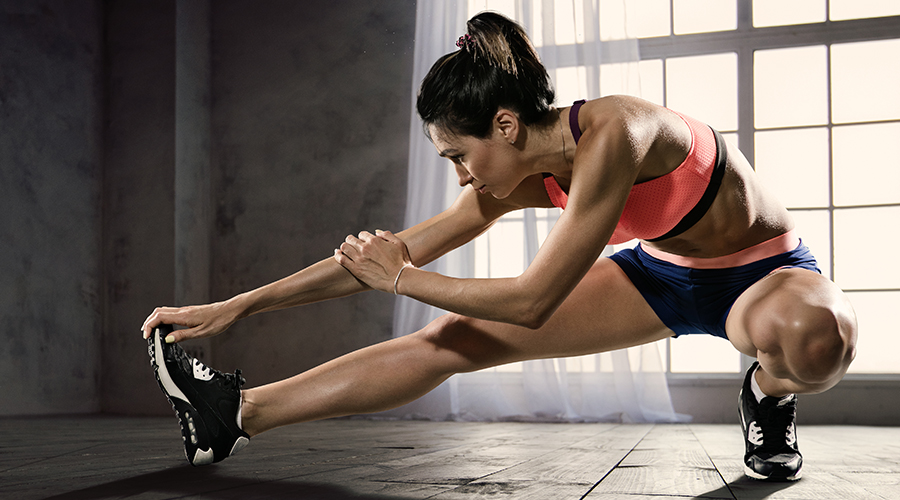
                            Muscle Soreness Recovery After Workout

                            Active recovery involves low-intensity activities that promote blood flow and aid in muscle recovery without putting additional strain on your body. This can include:

                            • Light Walking or Jogging: Helps reduce muscle stiffness and keeps your body moving.
                            • Relaxing Yoga: Makes you more flexible and relaxed.
                            • Swimming: Provides a full-body workout that’s easy on the joints and also relaxing. The bonus is that this is a great skill to have and stay healthy while enjoying it

                            Wrapping Up

                            Here you have it: a how-to for perfecting your recovery after a workout. Recovering is an active process that involves stretching, proper diet, hydration, sleep, and the correct supplements to help you become the greatest version of yourself. Don’t forget that post-workout recovery isn’t just about resting it’s about paying attention to your body and treating it with the respect it needs.

                            Read Also: How to Speed Muscle Recovery: Science Behind It and How to Boost It

                            Sources:
                            https://medlineplus.gov/ency/patientinstructions/000807.htm#:~:text=Rest%20is%20an%20important%20part,for%20too%20long%20can%20backfire.

                            https://www.healthline.com/health/active-recovery
                            Women and Weight Training: Going Beyond Just Looking Toned

                            Everybody wants to have a toned body and feel good about themselves. However, the misconception that “weight training makes you bulky” can be extremely unsettling. Breaking: It’s time to dispel those myths and rewrite the story! Women who lift weights experience transformative benefits that extend far beyond physical appearance. We are discussing laying a solid foundation for a long and healthy life. In this blog, we’re about to go deep into the fascinating realm of weights, so fasten your seatbelts!

                            Benefits of Weight Training for Women

                            Physical Wellbeing:

                            • Bone Health: Lifting weights is a great way to build stronger bones, particularly for women as they are more likely than men to have osteoporosis as they age. Incorporating weight training into your fitness plan will help you increase the density of your bones. 
                            • Better Posture: By promoting enhanced posture and spinal alignment, it helps avoid discomfort in the back and other related problems. 
                            • Joint Health: If you are having joint pain, weight training may be helpful. It will also decrease the possibility of a person’s illness getting worse as they become older. Strengthening the muscles surrounding your joints through weight training can also lower your chance of injury. 
                            • Improves Metabolism: Weightlifting increases muscle mass and quickens the metabolism, thus contributing towards weight loss.
                            • More Muscle Power: It increases and preserves muscular mass, which is essential for general strength and range of motion. As we become older, this becomes more and more significant.
                            • Healthy Heart: Strength training regularly lowers the risk of heart disease by improving cardiovascular health. By making your heart stronger, you can then be stress-free about any old-age cardiac concerns.
                            • Regulates Blood Sugar Levels: We find a lot of people tense due to their blood sugar levels. Weight training can also help you lower the chance of getting Type 2 Diabetes.
                            • Longevity (Living a longer and healthier life): Frequent weight training reduces the risk of chronic diseases, which can help you live a longer, healthier life. This will also keep you healthier and independent and you can lead a fulfilling life. Weight training increases coordination and balance, which makes daily jobs safer and easier.

                              Mental Wellbeing:

                              • Stable Mental Health: Research shows that weight training can reduce anxiety levels and fight depressive symptoms, especially in women! This in turn improves mental health.
                              • Reduces Stress Levels: Weight training has proven helpful in many ways to reduce stress and help you relax. It can also improve the quality of sleep. 
                              • Helps you Gain Self-Esteem: Your confidence and sense of self-worth will rise as you see your body becoming stronger and more toned.

                                Beginner-Friendly Weight Training For Women to Lose Weight

                                You don’t need to spend a lot of money on gym memberships or hours lifting weights to get started with your weight training routine. You can maintain simplicity, consistency and efficiency to reach your goal cheaper and sooner:

                                • Pay Attention to Compound Workouts: These workouts maximize calorie burn by working numerous muscle groups simultaneously. Consider exercises like push-ups, deadlifts, rows, squats, and lunges (with good technique, of course!).
                                • Training Circuit: Combine weight training with quick bursts of cardio, such as jumping jacks or high knees, to keep things fresh and your heart rate elevated. For every exercise in your circuit, aim for two to three sets of eight to twelve repetitions.
                                • Start Lighter and Increase Gradually: Try not to become an overnight weightlifting champion. Select weights that will push you while letting you keep perfect form. You can progressively raise the weight as you gain strength. Seek out two to three weight training sessions each week: In between workouts, give your muscles enough time to heal and regenerate.
                                • Boost Your Protein: After every weight training exercise, try to consume protein to promote muscle growth and repair. You can have things like Greek yoghurt, whey protein, low-carb protein sources, or protein shakes.

                                  Cautions for Weight Training for Beginners

                                  • Master Your Form: It’s tempting to go heavy, but proper form is your BFF. This prevents injury and targets the right muscles. Ask a trainer for guidance if needed!
                                  • Warm Up & Cool Down: Don’t jump straight into weights. Get your blood flowing with light cardio and dynamic stretches before your workout. After, cool down with static stretches to improve flexibility and prevent soreness.
                                  • Listen to Your Body: This is your temple! Take rest days and stop if something feels off. Consult a doctor or trainer if needed.
                                  • Use Weight Lifting Straps: A Helping Hand (Used Right): Weight lifting straps can support your grip for heavier lifts (think rows or deadlifts). They help you maintain a strong grip without compromising form, but remember, Straps don’t make you stronger; they make your weightlifting safer. Focus on grip strength alongside them. 

                                  Can Supplemental Protein Aid in Weight Loss Through Weight Training?

                                  Increasing your protein intake can be done easily using protein supplements, particularly after exercise. It is crucial to know which kind of protein to utilize. 

                                  Whey protein is gaining popularity these days. The reason is that it is proven effective and works quite well. MuscleBlaze is one of the best whey protein brands in India. For any protein supplement to be effective, it must specifically stimulate rapid muscle repair and prevent muscle breakdown. This is what makes this whey protein unique. Compared to many generic brands, MuscleBlaze performs better.

                                  To Conclude

                                  Weight training gives you a powerful, self-assured, and health-controlling sense rather than merely making you look a certain way. So cast aside your fear of bulk (it doesn’t exist!), pick up some weights, and start your journey toward being empowered. Remember that progress is what matters the most not perfection. Celebrate all of your accomplishments, no matter how minor; you’ll be astounded by what your powerful body is capable of!

                                  Happy lifting, ladies!

                                  Read Also: Post-Workout Power-Up: Healthy Snack Ideas for Boosted Recovery

                                  SOURCES:
                                  https://www.healthline.com/health/fitness/benefits-of-strength-training

                                  https://www.cnet.com/health/fitness/does-lifting-weights-make-women-bulky/


                                  How to Read Protein Labels & Make Better Choices

                                  Hello, health-conscious Ziddis! Are you feeling just as overwhelmed when making choices in the protein aisles? Choosing the best protein powder for your needs is important but it need not be so stressful. Just by understanding protein labels you can make smarter choices. Let’s discuss how to align your protein intake with your personal health goals. Ready? Let’s go!

                                  Benefits of Protein Powder?

                                  Everyone has specific health goals. Protein powders are an excellent supplement for any type of fitness journey, be it losing weight, gaining muscle mass or just maintaining a healthy lifestyle.

                                  Adding protein powder to your regular diet plan as a pre-workout or post-workout might be a quick, easy and a very accurate way to increase your protein intake. It’s frequently used to promote muscular growth, healing, and recuperation—particularly following exercise. The multi-versatile use of protein is simply important for the basics of workouts like:

                                  • For Repair and Muscle Growth: Building and mending muscles requires protein. Fitness enthusiasts and athletes swear by it for this reason!
                                  • For Managing Your Weight: Protein prolongs feelings of fullness, lowering appetite and assisting with calorie management.

                                    Read Protein Labels, Properly!

                                    It can be confusing to choose the right protein partner for your workout when there are so many products in the market promising to do just that. This is the time to learn how to read labels to make a choice that’s right for you!

                                    Protein labels are detailed information panels found on protein powder containers.

                                    Read Also: How to Maximize Your Protein Digestion and Absorption?

                                    Why Protein Labels Are Important

                                    Protein labels may feel easy to ignore across the shiny packaging but they are the only thing one should notice in the packaging if they are serious about their fitness journey. Don’t look at it as information overload because they will help you in:

                                    • Making Informed Decisions: With complete knowledge of what you’re eating, you may choose foods that support your personal health objectives.
                                    • Avoiding Allergens: Examining the label might assist you in avoiding components that may trigger allergic reactions if you have any.
                                    • Choosing a Cost-Effective Option: Examining serving sizes and net weight together guarantees that you will obtain the best deal possible.
                                    • Matching your nutritional intake with your fitness objectives: Labels share important information about what you’re putting into your body. After all, your body is your temple and you should *really* know what you’re feeding it, right?!

                                      Here is what you need to look out for in the protein labels:

                                      1. Serving Size

                                      The serving size gives you information about how much of the product is needed for one serving. This amount sets the context for all the other information on the label. So, always check the serving size first!

                                      Example:

                                      • Label says: Serving size: 30g (1 scoop)
                                      • You use: 2 scoops
                                      • Calories per serving: 120
                                      • Total calories you consume: 240

                                      2. Net Weight of the Product

                                      The net weight tells you the total weight of the protein powder in the container. This makes it easy to estimate how many servings you get in one package and how long the packet lasts according to your intake. Knowing the net weight can also help in comparing different brands and deciding which one gives you the best deal.

                                      3. Reading Nutrition Facts

                                      Think of the nutrition fact section as the treasure map of the protein label. It has some essential information some of which is:

                                      • Total Calories: This tells us the energy you get per serving to help you manage your daily intake.
                                      • Protein Content: This tells us how much protein you can get per serving (which is the point of protein powders).
                                      • Carbohydrates and Sugars: This section is important to notice if you’re cutting down your carb intake. Less sugar is usually better.
                                      • Fats: The amount of total fats, saturated fats, and sometimes trans fats mentioned on the label helps in making the right choice especially if you’re following a low-fat diet.
                                      • Vitamins and Minerals: Some protein powders are filled with extra nutrients & essential vitamins and minerals, which is a bonus for overall health.

                                      Here are some red and green flags you should notice in your protein powder’s ingredient list:

                                      Green FlagsRed Flags
                                      Whey protein isolate, cocoa powder, natural flavours.High fructose corn syrup, artificial colours, too many preservatives.
                                      High-quality protein sources like whey isolate, whey concentrate, or plant-based proteins.Too many fillers, artificial sweeteners, or additives.

                                      Whey Protein Benefits

                                      We’ve got you. Whey protein is not just another one of the hyped-up words in the nutrition world. It stands true to its hype making itself your best buddy in your fitness journey. Whey protein is like a muscle-building powder made from leftover milk used in cheese. It’s good for bulking up and even keeps you healthy! It is quick to absorb in the body and contains all essential amino acids making it the favourite protein source choice. 

                                      Whey Protein Powder Benefits

                                      • Whey Protein Isolate: Ideal for people seeking less fat and carbohydrates and more protein.
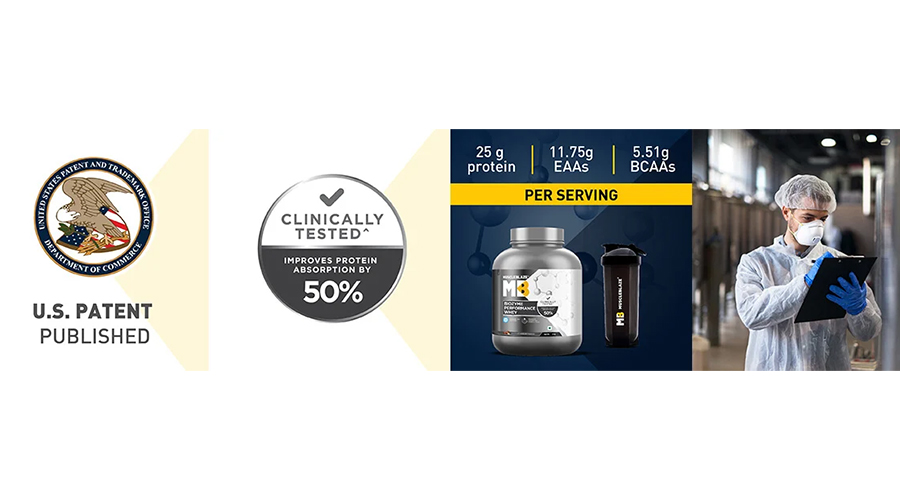
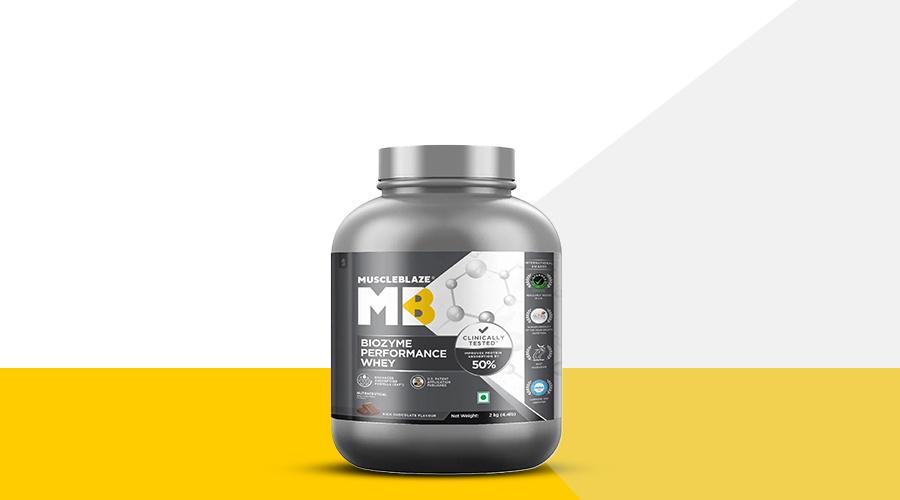
                                      • MB Biozyme Whey Protein: For those looking for better protein absorption, we can suggest Muscle Blaze Biozyme Whey Protein as a standout choice. Don’t just blindly trust! Now that you know how to read labels you can check it out for yourself. Its patented MB Enzyme Pro formulation makes sure that there is 50% better protein absorption compared to generic brands in the market. This formulation maximizes the effectiveness of the protein intake and supports quicker muscle recovery. This makes your overall performance better.
                                      • Cost-Effective Choices: Evaluate costs and select an item that fulfills your spending limit without sacrificing excellence.
                                      • Local Availability: Look for protein powders that are easily available in local markets or trusted online stores.

                                      Final Words

                                      At first, understanding and reading protein labels can seem difficult, but if you know what to look for, it’s very easy. You may make better decisions and support your health goals by just investing a few seconds by taking a look at the protein labels. By knowing what you need and what you are putting into your body you make well-informed choices today and have a healthier tomorrow. Cheers to your protein quest!

                                      Sources:

                                      https://www.fda.gov/food/nutrition-facts-label/how-understand-and-use-nutrition-facts-label

                                      https://biocityhealthcare.com/empower-your-eating-a-guide-to-reading-food-labels-for-better-choice

                                      What is The Hype About Farmer’s Walk & How Can it Benefit You?

                                      Hello, fitness fam! You might have seen people at the gym or in the IG reels carrying heavy weights and wondered, “What’s the deal with that?” Well, let’s break it down. Let’s learn more about the Farmer’s Walk, the benefits of functional training, and how picking the right nutritional practice can help you ace your next functional training routine!

                                      Understanding What’s Functional Training, Farmer’s Walk or Farm Carry Exercise

                                      The exercise is just like its name. Farmers carry heavy weights like buckets full of water or ploughs to work in a farm. Similarly, the Farmer’s Walk or Farm Carry Exercise is an exercise that needs you to grab weights in each hand, whether it’s dumbbells, kettlebells, or even buckets filled with sand, and walk!

                                      It sounds simple, but trust us when we say, it’s a killer workout for your arms, shoulders, back, and core. Because of its practicality and how it seems exactly like our everyday tasks like carrying heavy grocery bags or buckets of water, it is grouped under Functional training exercises.

                                      What are The Benefits of Farmer’s Walk?

                                      Functional exercises, such as the Farmer’s Walk, have gained popularity in fitness routines these days because of their effectiveness. These exercises engage multiple muscle groups simultaneously and help in building a stronger core by exercising not just muscles but also joints. 

                                      Here is benefits of farmer’s walk have in your routine:

                                      • Complete Body Workout: The Farmer’s Walk targets the shoulders, back, arms, core, and legs all at once. It resembles a single, easy exercise that works your entire body.
                                      • Improved Grip: Lifting big weights improves your grasp, which is beneficial for everyday chores and workouts.
                                      • Good for your Heart: The Farmer’s Walk raises your heart rate, helping in working your heart out in addition to muscle training.
                                      • Improves your Posture: Maintaining a correct posture while lifting weights in this exercise can help you have better overall posture and spinal health.
                                      • Clears Your Mind & Enhance Focus: By concentrating and being determined, this activity promotes clear thinking and focusing on the present moment of the workout.
                                      • Improves Your Everyday Function: By strengthening the motions you perform regularly, these exercises make everyday chores like carrying groceries or climbing stairs effective and easier. This lowers the chance of accidents like muscle pulls.
                                      • Helps Build Your Core Strength: Functional training increases your strength and endurance, which is necessary for everyday tasks and athletic performance. It also gives you a sense of increased capability and energy.

                                      How to Make Your Farmer’s Walk More Effective?

                                      Even though the Farmer’s Walk is enough by itself to give you that crushing workout, you can make the most out of it by adding a few levels to your routine. 

                                      Here’s How You Can Do it:

                                      • Increase Weights Gradually: Instead of going all out in one go and increasing the weights at once, slowly increase it when you feel ready to push your limits, physically and mentally. Your muscles will be constantly tested by this gradual overload, which will encourage muscle growth.
                                      • Increase the Distances: Vary the lengths of your walks. Both longer distances with lighter weights and shorter distances with higher weights have their own set of advantages.
                                      • Try Walking on Different Surfaces: To enhance stability and work your muscles differently, try walking on grass, sand, and other varied surfaces to challenge yourself and enhance your results.
                                      • Keep Changing Your Pace: To improve your cardiovascular fitness, add intervals by jogging with lighter weights or walking at a quicker pace.
                                      • Take Zigzag Paths: To further test your core and balance, incorporate curves or even zigzags into your strides rather than going in a straight path. This can help you keep things interesting and not monotonous!

                                      Get Better Results of the Farmer’s Walk with Nutrition

                                      Let’s not forget the role of nutrition in functional training routines, especially the Farmer’s Walk. Here’s how you can fuel your body before, during and after your Farmer’s Walk Routine!

                                      1. Pre-Workout Nutrition: Eat a balanced meal around 1-2 hours before your workout. We side with getting the best out of your workouts with correct nutrition. So whether you’re team oatmeal and fruit with a spoonful of almond or peanut butter or team protein bar for a quick fuel up or a healthy wrap, ensure you’re getting the right nutrition for an effective workout.
                                      2. Carry Your Water Bottle Everywhere: Staying hydrated is important in making the most of any workout routine. Remember to sip water before, during, and after your workouts. Adding electrolytes to water is a master trick to decrease fatigue and replenish your body.
                                      3. Post-Workout Fuel: After your workout, you should have a good meal for your body to gain back its energy. Aim to consume a combination of protein and carbs within 30 minutes. A protein powder with a banana or for people who love ‘Ghar ka khana’, a chapati with paneer is perfect for recovery from wear and tear during workouts, and muscle growth.

                                      Last Notes 

                                      Overall, the Farmer’s Walk is a great strength training exercise that can boost your fitness. By following these tips to make your routine more effective and adding other functional training exercises like squats & lunges, you can build a stronger and more resilient body. So, grab those weights and start walking!

                                      Stay fit, stay healthy, and keep pushing your limits Ziddis!

                                      Why are You Not Gaining Muscles (and how to fix it)

                                      Regularly going to the gym but not seeing any progress? We’ve got you! This article will help you understand why you are not able to gain muscles and how to get started with your muscle building era! We will also talk about the benefits of best protein powder for muscle gain and creatine, and the best supplementation techniques to finally see those muscles bulge.

                                      Why are You Not Able to Build Muscles?

                                      It all comes down to giving your body the correct supplies and energy to create muscle. When something is absent, progress is slower. Do you want to know why working out so hard at the gym is not resulting in gains? 

                                      Spoiler Alert: It’s Not What You Do, It is What You Don’t!

                                      • Not Consuming Enough Protein: Protein promotes growth by mending rips in muscle fibres that are brought on by exercise. So if you don’t consume enough protein, this process will get disrupted, leading to no muscle gain. 
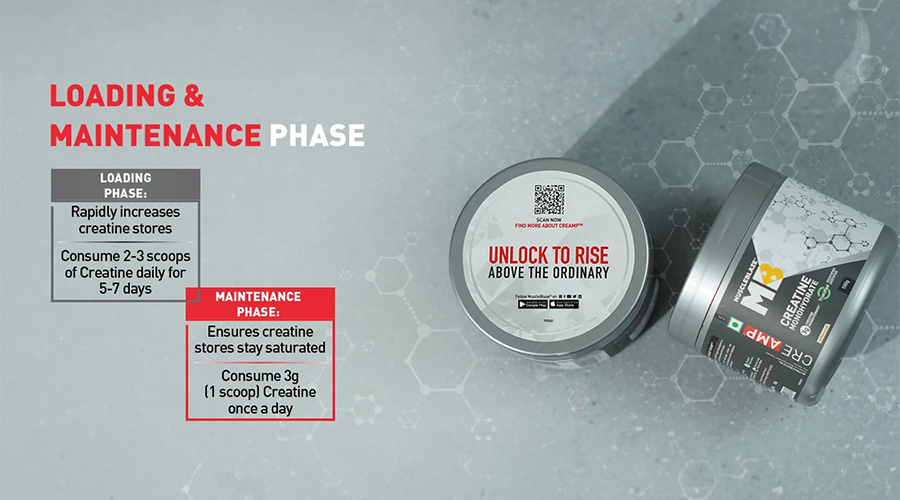
                                      • Not Using the Power of Creatine: Creatine is the reason your muscles get the ability to lift and perform their task. By making sure you add enough creatine to your regime, you can lift bigger weights, which can promote muscle growth. Moreover, creatine also enhances recuperation and lessens fatigue, leading to a better workout!
                                      • Cut Down Your Calorie Intake: It is important to make sure you don’t starve yourself of calories needed in the process of muscle-building. Your body needs to have the energy to build new muscle and if you’re not consuming enough calories, you’re bound to get more tired and not exercise.
                                      • Overtraining & Under-resting: It’s good to push oneself, but going overboard might backfire. Overtraining interferes with growth and causes muscle exhaustion. At least one rest day per week is what your body needs to perform in the best state to show your gains. Pay attention to your body’s signals of overtraining, which include weariness, diminished performance, and an elevated risk of injury.
                                      • Improper Exercise Schedule: Your muscles won’t be sufficiently challenged by a boring workout. Use progressive overload to keep them intrigued and developing. This includes progressively raising the weight, repetitions or sets you do over time. 

                                        Best Protein Powder for Muscle Gain

                                        • Protein is a must in your journey to gain muscle mass. After an exercise, protein gives your muscles the building blocks they need to mend and develop stronger. So, protein shakes can be a great addition to your post-workout plan!
                                        • You can provide your muscles the nutrition they need to grow and build by organizing your meals and adding supplements. While doing all this, note that timing your intake wisely is going to be the key!
                                        • It would be awesome to aim for 1.6-2.2 grams of protein per kilogram of body weight daily (approximately 0.73 to 1 gram per pound).

                                          Use Best Creatine for Muscle Growth:

                                          • Creatine monohydrate is the most studied and used form of creatine.
                                          • Creatine HCL: This more soluble form may be kinder to some users’ stomachs.
                                          • More study is required on buffered creatine, a more recent type that aims to increase stability and absorption.
                                          • Consult a licensed sports nutritionist or your physician to figure out the optimal creatine regimen.

                                            Increase Your Calorie Consumption:

                                            • Have you ever tried to track your calories? Yes it helps and no it is not cringe. You need to keep a track of the calories you consume so that you can build muscles well enough.
                                            • Put quality above quantity by giving complete, nutrient-dense foods top priority.
                                            • Consuming smaller meals more frequently is a trick a lot of people use. You can get adequate calories without feeling overly full by eating regular mini meals.

                                              Follow a Scheduled Workout Program:

                                              • Gradually change your workout routine instead of suddenly changing the weight, repetitions, or sets you complete over time.
                                              • Rest is when your muscles grow and heal. Around 7-9 hours of good sleep every night helps muscles recover.
                                              • Being consistent with your workout is a very important part of gaining muscle. 

                                                Some Pro tips for Choosing the Best Muscle Building Supplements

                                                1. Best Protein Powder for Muscle Gain

                                                  Whey protein is considered the best protein powder for muscle gain and it is also the most common so it is easy to research. You can do a quick fact check and understand most of the truth about whey protein. It’s quick to get absorbed in your body and rich in protein building blocks like amino acids. This also makes it important to do your own research and purchase your supplements from a trusted source. 

                                                  P.S. Worry not if you’re vegan! Who said vegans can not gain muscle easily? By using plant-based options like pea protein, you can find an excellent alternative to regular protein supplements. Plant-Based Proteins like hemp, soy, and pea proteins are great for helping vegans gain muscle.

                                                  Casein Protein is also a great choice during pre-bedtime. It delivers a continuous supply of amino acids all night long.

                                                  2. Best Creatine for Muscle Growth

                                                    Creatine monohydrate has a very simple yet important function. It improves strength, power, and muscle gains. It is super affordable and very efficient in helping you gain those pumped-up muscles. That makes creatine one of the most wanted supplements by athletes and bodybuilders.

                                                    3. Muscle Building Supplements

                                                      Beta-alanine is one of the best muscle-building supplements available in the market. It not only increases muscle gains but also improves performance during high-intensity training. It can improve your endurance and delay your fatigue. This will help you have a longer workout session and not get tired easily. But note that you should only push yourself to a limit even if consuming beta-alanine supplements. 

                                                      Omega-3 fatty acids, are another highly effective supplement for muscle growth. You can find it naturally in fish oils but it may not be to everyone’s liking to consume fish. So you can get it in capsule form. It helps reduce inflammation, enhance muscle recovery, and improve joint health.

                                                      Takeaway

                                                      Gaining muscles is not rocket science but you need to understand what all to have more than not. Your diet does not need to stop you from having what you love as long as your supplements support your workout routine. With the food quality, or even quanity always being in question and not understanding how much nutrition you are gaining, supplements can be your go-to option.

                                                      How Much Protein Should You Eat Every Day for Weight Loss?

                                                      Protein, an essential nutrient helps your body in multiple ways. Combining protein intake with proper exercise strengthens muscles, boosts weight loss, and ensures a constant energy supply as well as develops the body’s ability to function properly. Consuming protein is an eminent way to fulfill the nutritional intake of your body. You can easily consume food such as chicken, fish, and seafood as well as protein supplements from MuscleBlaze such as MB Biozyme Whey Protein to lose weight. 

                                                      While protein has endless benefits, its consumption is a topic of discussion among people. One of the major questions asked is: How much protein should I consume for weight loss? In this blog, we will be answering this but before that, let us explore how protein helps with weight loss.

                                                      How Consuming Protein Helps With Weight Loss

                                                      Protein is a macronutrient that helps in losing weight. Consuming protein-rich food is also the easiest way to combat calorie deficiency. Here’s why: 

                                                      1. Boosts Satiety 

                                                      Increasing the intake of a protein-rich diet and whey protein supplements such as protein powder in your daily life increases fullness and decreases appetite. It contains glycogen-like-peptide-1 (GLP-1) and cholecystokinin (CCK), the hormones responsible for increasing satiety and decreasing hunger. Supplements namely MuscleBlaze Biozyme Performance Whey helps in increased satiety and losing weight. 

                                                      1. Increases Metabolism

                                                      Regular intake of a higher protein diet can help in maintaining lean muscle mass. Since it also has thermic effects, it boosts metabolism which means your body’s ability to burn calories increases for the day, ensuring an increased probability of losing calories even when your body is at rest. 

                                                      1.  Maintains Muscle Mass 

                                                      When you lose weight, it is inevitable to lose muscle mass along with the fat. This is where protein comes into the picture. Protein-rich diets or supplements help in maintaining the balance between muscle loss and fat loss. It helps you have a weight loss journey where you do not shed fat-free mass. Since muscle mass is metabolically active and helps in burning calories even at rest, it is important to have healthy muscle mass and not lose it along with the fat. 

                                                      1. Prevents Weight Regain 

                                                      High protein diets are believed to effectively prevent weight gain and promote partially maintained weight loss as compared to low protein diets. Since high protein diets promote intestinal fat absorption, weight loss prevention is evident.  

                                                      How Much Protein Should I Consume for Weight Loss?

                                                      Protein consumption depends on the individual’s requirements/needs. However, according to studies, getting around 0.8 grams per kg of body weight or 0.36 grams of protein per pound is beneficial for a person having a sedentary lifestyle. In the case of a mildly active person, obtaining around 30% calories from protein or taking approximately 1-1.2 g/kg of your body weight during the weight loss journey is suitable. 

                                                      On the other hand, if you are a hyperactive person, your protein intake should be higher. You will require up to 2 grams of protein daily. 

                                                      Now when you know how much protein you should take to lose weight, you still have to figure out how to get it. With abundant options to choose from, choosing the right protein sources could be difficult. This is why you need to know the ideal food sources and supplements that can help. 

                                                      Regular Protein Intake Is A Must

                                                      Your weight loss journey is easier with regular protein intake. But how do get enough protein? Eating protein-rich food is the natural source of protein and if needed, taking protein supplements is the best choice. 

                                                      1. Fruits and vegetables 

                                                      Eating vegetables and fruits that are protein-rich is the easiest way to reach your intake goals. You can also have grains such as millet, whole wheat pasta, quinoa, wild rice, etc. All of this will provide you with around thirty-five grams of protein which is enough if consumed every day. 

                                                      1. Animal-based protein 

                                                      If you are a non-vegetarian, you can prefer animal-based protein such as eggs, seafood, dairy products, beef, etc to meet your needs. Consuming aminal-based protein reduces weight. 

                                                      1. Supplements 

                                                      Another considerable source of protein is protein supplements such as powders, drinks, gels, capsules, etc. One of the most popular protein sources is protein bars consumed by a variety of runners, athletes, gymgoers, etc. If you are looking for protein supplements that can help you lose weight, choose from the supplements available at MuscleBlaze. The powders, capsules, etc available here not only elevate losing weight, but they also provide multiple benefits from a constant energy supply to developing health. Adding whey protein to your diet such as MuscleBlaze Beginner’s Protein Powder, MuscleBlaze Biozyme Performance Whey and MuscleBlaze Whey Gold and 100% Whey Protein Isolate ensures weight gain when taken along a protein-rich diet. 

                                                      Conclusion 

                                                      Contrary to the belief that eating less leads to losing weight, eating right and consuming protein is the key. Try eating protein-rich food and supplements and you will be able to lose weight easily. 

                                                      However, be careful about the quantity of supplements as overconsumption could effect your gut. If you are pregnant, breastfeeding or having regular medications, consult your doctor before taking the supplementations.