Top 6 Commonly Confused Supplements
24 April 2023



For so many years, whey protein has been promoted as something that only gym-goers, bodybuilders, athletes, and people who lift heavy weights consume. The gym shaker bottles, ripped muscles, and gym influencers have all contributed to the notion that whey protein is a “gym supplement” and not a regular food item. The reality, however, is much simpler. Whey protein is not a muscle-building supplement and not a steroid. It is not a supplement for gym-goers only. It is simply a convenient source of protein, just like what you get from eggs, dal, paneer, tofu, fish, and chicken. So, yes, you can consume whey protein even if you are not working out. It won’t help you build muscle mass without working out, but it can definitely help with your nutrition and health in many ways.
Protein is not just for muscle growth. Your body requires protein daily for:
Whey merely makes protein easy to take in. This works best, particularly for those who have trouble getting enough protein from food.
Even if you’re not exercising, whey can:
If your diet is low in protein (which is highly likely), whey becomes a convenient nutritional supplement, and not a sports supplement.
Whey is useful even if you do not exercise in the following situations:
It does not increase muscle mass without weight training, but, whey protein does help with health, metabolism, nutrition, and body maintenance.
It is considered safe, but some individuals may have problems with low-quality whey.
| Side Effects | Causes | Tips for Preventing Side Effects |
| Bloating | Lactose intolerance | Use whey isolate if lactose-intolerant |
| Gas | Artificial sweeteners | Begin with ½ scoop |
| Acidity | Poor-quality protein | Avoid heavily flavoured whey |
| Digestive discomfort | Overuse | Drink sufficient water |
| Skin breakouts (in some individuals) | Dehydration | Do not rely on shakes for all meals |
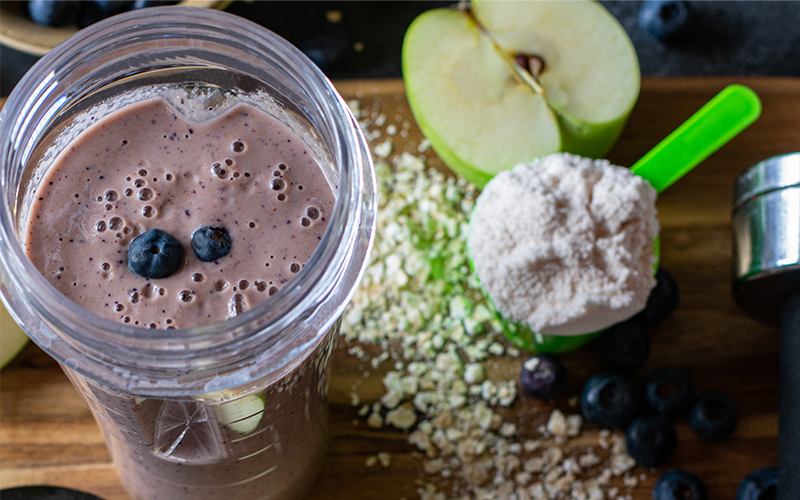
Whey is not “masculine”, and it doesn’t make women bulky.
In fact, it supports:
Here’s how one can simply use it for their daily routine.
If you’re not working out, use whey like food, not like a gym supplement:
Recommended amount: ½ to 1 scoop daily is enough for non-training individuals.
| Look For | Avoid These |
| 20–25g protein per scoop | “Miracle absorption” claims |
| Transparent ingredient label | “Muscle without exercise” marketing |
| No amino spiking | Inflated protein numbers |
| No proprietary blends | Hidden fillers |
| Minimal additives | Over-flavoured products |
| Easy digestion | |
| Third-party testing | |
| Whey isolate if lactose sensitive |
Read Also: Everything You Need to Know about Whey Protein
Whey is not a gym supplement; it is a nutritional tool. You do not have to go to the gym to use whey, but you have to understand what whey really does. Whey will not help you build muscle without going to the gym, whey will not change your body without exercise, and whey will not substitute for food. What whey will do is that it will help you fulfil your daily protein requirements, enhance the quality of your nutrition, and help you in weight management. While creatine is a gym supplement that works best when accompanied by workouts, many other supplements are meant to help you in a more subtle manner.
 100% Safe & Secure payments: