Gut Health Workouts: Yes, Your Fitness Affects Your Gut
26 December 2025


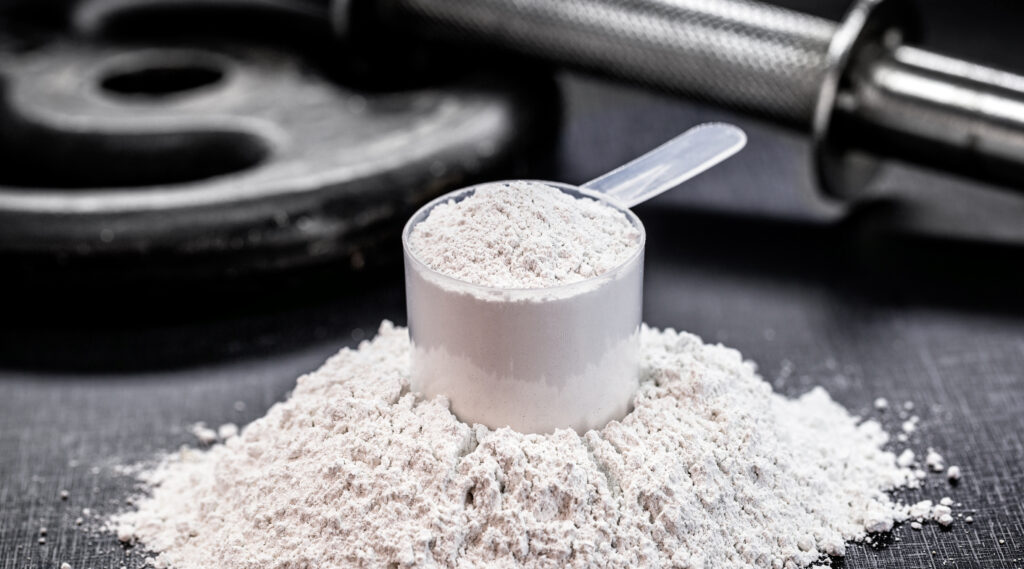
Hello Ziddis! Amino acid supplements have become popular in the world of fitness; these include EAA, BCAA, intra-workout blends, but really, not many know what exactly they do. Many of them mislead themselves into thinking that amino acids are good enough to replace protein and work as some sort of “muscle-building shortcut.” The reality is rather straightforward: amino acids support training, they don’t replace protein. So, let us break it down correctly for once.
Protein is made up of amino acids. There are 20 in total, out of which 9, known as the Essential Amino Acids (EAAs), cannot be produced by your body and need to be ingested as food.
1. Leucine:
2. BCAAs:
Amino acids are most useful in specific situations, not as daily protein replacements:
Where they help:
Training fasted
Low appetite phases
Intra-workout support
Endurance or long training
Think of amino acids as performance support, not nutrition replacement.
What they can do:
What they cannot do:
Recovery still depends on:
Amino acids = support system, not foundation.
| Whey Protein | Amino Acids (EAA/BCAA) |
| Complete amino profile | Partial (BCAA) or essential only (EAA) |
| Muscle building + recovery | Supportive only |
| Caloric + anabolic | Low calorie |
| Replaces a protein meal | Cannot replace meals |
| Structural repair | Signaling + availability |
Whey = bricks
Amino acids = delivery trucks
You can’t build a house with trucks alone. We must take the help of both to build muscle.
If daily protein intake is not sufficient, then amino acids will be of no benefit.
Read Also: Why Your Protein Powder Tastes Different in Summer vs. Winter
Protein is the foundation; amino acids are the accessories, not part of the structure. The rule of thumb is to use amino acids to complement training, not nutrition. Make sure you are on top of your gym supplements game. Creatine is a star of muscle building, so read more about it, and you might be able to train more, too.
 100% Safe & Secure payments: