Top 4 Ways to Move Out of Muscle Building Plateau
25 April 2023



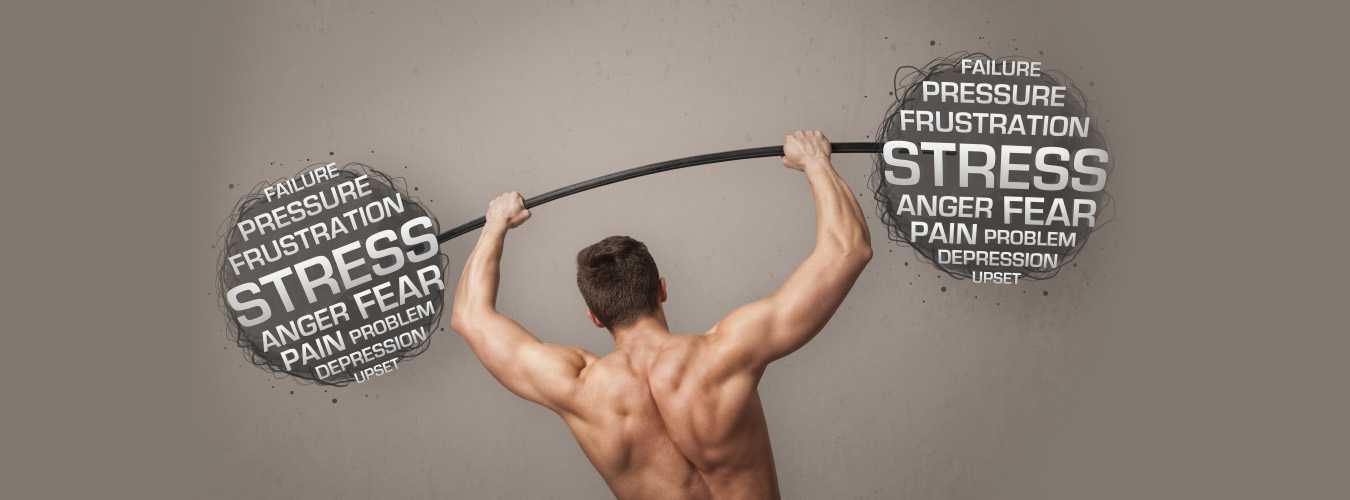
Hello Ziddis! We have established this in most of our blogs that while training is an important part of muscle building, muscle isn’t built during training but during recovery. Chronic stress can hamper your recovery by shifting your body into a survival state where preservation beats growth. But let us understand this in depth.
Muscle hypertrophy depends on a net positive balance between protein synthesis and protein breakdown. Strength training creates the stimulus, but growth only happens if the body decides conditions are safe enough to redirect energy into building tissues instead of putting extra effort into keeping the body safe.
Chronic stress tells your nervous system that it is not safe when the stress is high, and that is how:
The result of this is that you train hard, but the growth is stalled.
When training, the stress is more physiological than psychological. This can cause:
Even well-programmed workouts fail, and the recovery window shrinks if you are under constant stress.
Chronic stress elevates cortisol, a catabolic hormone, which directly interferes with muscle-building processes. High cortisol can cause:
Growth hormones like testosterone and insulin work best when cortisol is not constantly elevated.

Strength gains rely heavily on the nervous system. Chronic stress taxes the CNS long before muscles fail. Signs of stress limiting your recovery are:
This is why stressed lifters often feel worked but not stronger.
Overtraining is rarely just “too much training” without the right stress. Common stressors are:
Training stress + life stress = recovery issues
It is not possible to stay calm always, but what can be done instead is:
Read Also: Muscle Hypertrophy: A Beginner’s Guide to Building Muscle
Muscle growth isn’t just about training harder; it is about convincing your body that it is safe to grow. Chronic stress not just hampers your mental health but also your physical health. Your muscle growth suffers if you just train hard but do not rest well. Along with the right training, adequate sleep, and good food is such as fit foods and oats protein.
 100% Safe & Secure payments: