Anoop Singh Thakur- The Fit And The Fabulous
21 April 2023


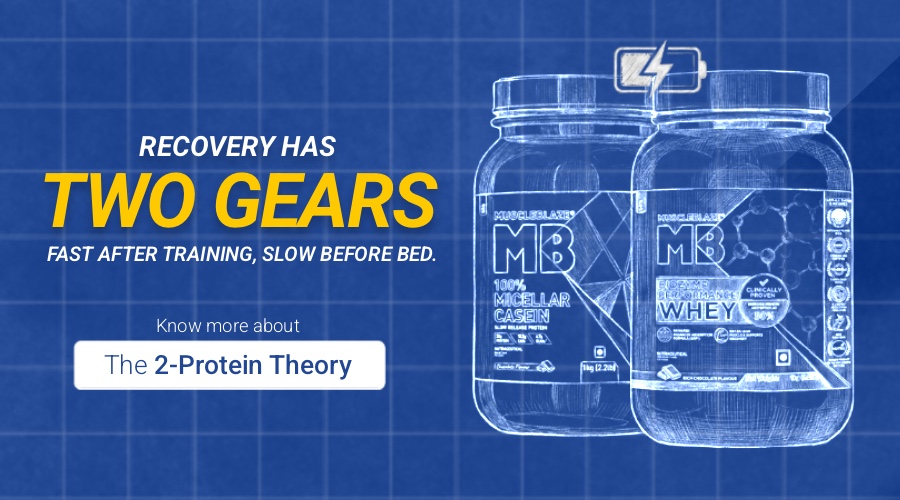
The majority of the lifters believe that protein is basic. You train, you take whey, you achieve your goal, recovery will look after itself. On paper, that sounds correct. As a matter of fact, this is the reason why so many people train everyday and yet they believe that their recovery has hit a plateau.
The fact is that the whey is just a component of a recovery system that has more than one stage. Muscle is not built up in a single go in your body. It is actually a stage-based recovery and each stage requires a different protein.
This is where the Two Protein Stack Rule comes in.
The most prevalent protein approach is the most incomplete one as well. The majority of people treat protein as having a single speed and purpose. Their sole protein source of supplement is whey and they tend to believe that once they get to their total grams, then everything will fall in place. This is why the gains are mid.
All protein does not work at equal speed. Also, healing of muscles does not begin and stop within an hour. It lasts hours following the training and it lasts deep into the night.
The initial stage occurs immediately after training where your body is in need of amino acids. The second stage occurs later and your body requires amino acids although in a longer period of time.
When you only feed one of the phases, your recovery will be under-supported.
Phase 1: Rapid Post Training Recovery
Immediately after exercising, your muscles require protein. Training involves stress, micro-damage and depletion. The best response of your body during this phase is the availability of amino acids faster, as the signal of repair is strongest at this early period.
This is the reason why fast-digesting protein is important. It does not happen that later digestion comes to a halt. The reason behind this is that your body will be able to start repairing at the rate of availability of amino acids.
This is the stage in which your body is in need of protein urgently. This is where whey comes in. It increases the amino acids in the bloodstream rapidly, and it goes at its peak within about 60 to 90 minutes of intake.
It helps in the initial recovery period when your muscles are in need of amino acids urgently. It is a very strong recovery signal and assists in jump starting recovery.
The second stage is what most of the people ignore.
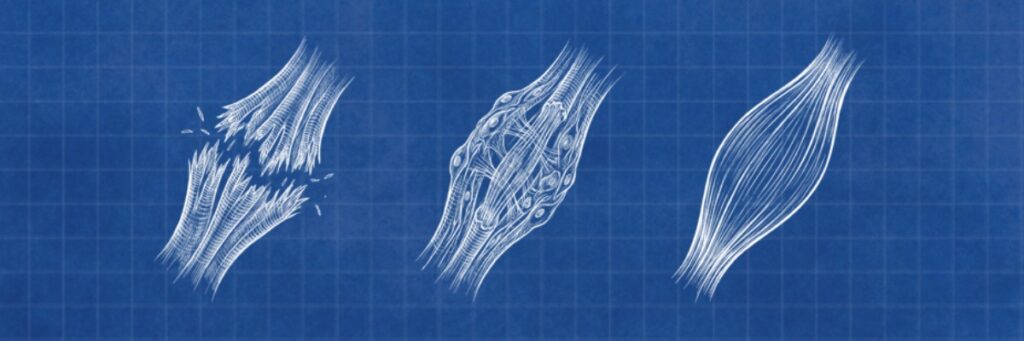
Your muscle repair does not stop after taking your whey protein. It continues for hours. This is important particularly during the night when most of the work of repairing and restoring the tissues is done by the body.
It is during this period where your body requires a slow breakdown of amino acids and thus Casein comes into the picture. It breaks down in a slow manner and releases amino acids gradually over time of a number of hours. Casein best comes into play when you require sustained sources of protein particularly at night when you are not in a position to eat for long periods of time.
Casein ensures that the amino acids are present when your body carries on repairing the muscle tissue when you are asleep.
The two protein stack rule is complicated and it does not mean that it should be timed absolutely. Whey is effective post training on training days. Casein is best used at night prior to bedtime.This is the most convenient method of ensuring that both the stages of recovery are treated with appropriate rate of digestion. It is an efficient method of aligning your diet with the functioning of your body. Training becomes more fruitful when it is supported in the early phase. Recovery is more stable when the long phase is facilitated.
Once both phases are taken care of, then the process becomes easier.
To recover better you do not need to train more. You have to recover smarter.
Read Also: How to Read a Protein Label in 30 Seconds
 100% Safe & Secure payments: