Stacking Supplements: How to Combine MuscleBlaze Products for Maximum Impact
15 August 2024


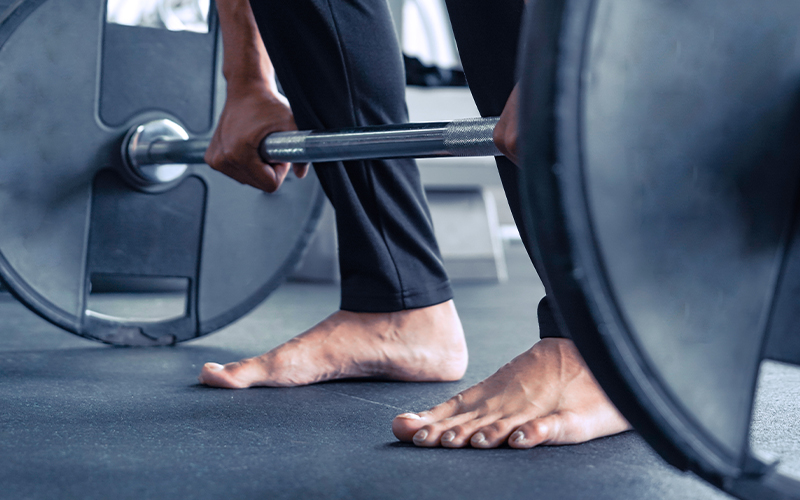
Hello Ziddis! Every time you decide to join a gym, the first instinct is to buy workout shoes. For years, shoes have been marketed as essential for every workout. But lately, there has been a shift. More people are ditching footwear for some training sessions, and all of this is for good reasons. Want to find out what it is and if barefoot training can help you? Read on!
Barefoot training simply means to exercise without wearing shoes or using minimal footwear like socks to allow the foot to move naturally. The idea is to let the small muscles in your feet work the way they are designed to, instead of relying on heavily cushioned soles. Here are some benefits of barefoot training that could sway your opinion to barefoot training:
When your feet are properly planted on the ground, they can sense the ground better, while your body also responds with improved alignment and stability. This is especially useful during strength training.
Barefoot workouts work best for controlled and grounded movements where stability matters more than impact absorption. To make it work, you must consider this practice for these few exercises:
While training without shoes during these movements can help activate the feet and lower legs more effectively, you must make sure you are not making this change suddenly. Some surveys suggest that people often feel more connected to their movement patterns during barefoot training
But there are some trainings in which the barefoot approach is not the best one. Here are a few like those:
This is because during these exercises, one has to think about impact absorption too, which happens when you wear shoes. You require footwear to absorb shock and protect your joints. Hard gym floors can also be uncomfortable. If you’re new to it, start gradually, maybe one or two exercises at first instead of an entire session.
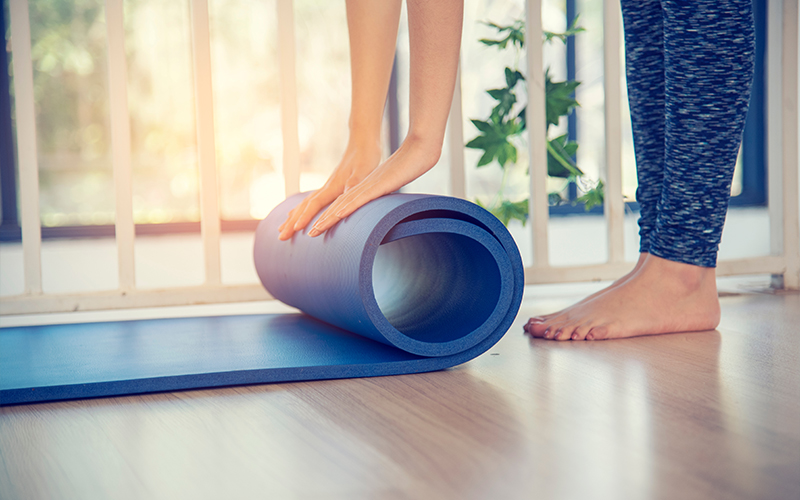
Weightlifting barefoot has become increasingly popular, especially for exercises like deadlifts, squats and a few more. But why this shift? Because removing cushioned shoes can create a more stable base. Thick soles sometimes shift pressure unevenly, while bar feet allow better force transfer directly into the ground. You are in profit if you are weightlifting barefoot.
Deadlifts in particular are often easier when you are barefoot. But in some cases, support matters. Olympics lift, high volume training or having foot issues can require you to opt for shoes that make it all easier for you.
Read Also: The Benefits of a Side Plank and How to Do It Safely
Barefoot training can be beneficial when you do appropriate exercises, and in the right manner, it may strengthen your feet, improve your balance and also encourage more natural movement. This practice keeps you grounded during strength exercises and mobility exercises. The best approach is balance. Indulge in barefoot training, which enhances your movement and stability, while choosing shoes that support you properly for when protection and cushioning are necessary.
 100% Safe & Secure payments: