Understanding BCAAs: Are They Right for Your Fitness Goals?
29 September 2025


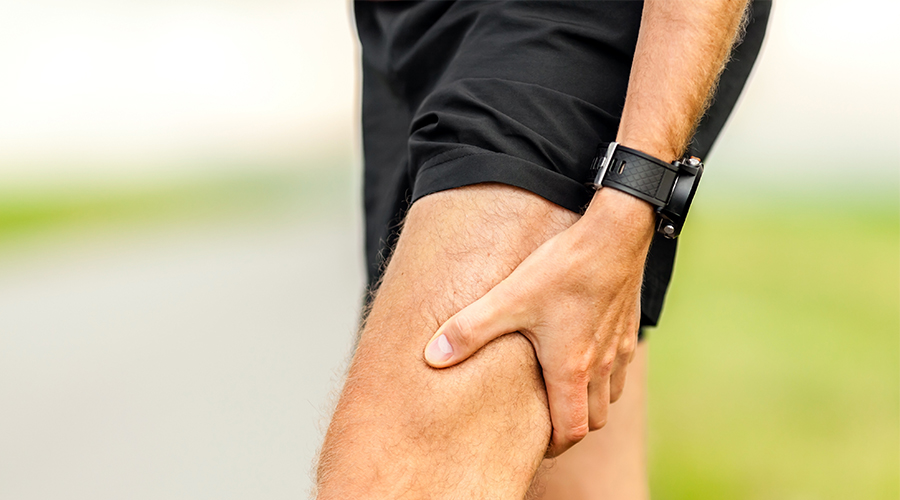
Hello Ziddis! Muscle cramps during intense workouts or long-duration training aren’t just about “low potassium.” This is an outdated and overly simplistic explanation. In fact, muscle cramps during hard training sessions or long training sessions are usually due to a variety of factors. Muscle cramps actually occur when the muscles get overly stimulated and cannot relax properly. This is the reason why well-hydrated athletes experience muscle cramps and why “low potassium” does not actually help to muscle cramps prevention.
The actual causes of training-related cramps:
| Causes | Reason |
| Dehydration | Loss of fluids causes the blood volume to thicken, which compromises the supply of oxygen and the nerve signals to the muscles. This makes the individual more susceptible to cramps. |
| Loss of sodium (and not just potassium) | Sodium is the major electrolyte lost in sweat. Hence, the lack of sodium is the reason for the lack of muscle contraction control, which makes the individual more susceptible to cramps. |
| Neuromuscular fatigue | Muscles that are fatigued due to lack of training or insufficient adaptation are more susceptible to cramps. |
| Lack of conditioning | Muscles that are not sufficiently conditioned or trained tend to get fatigued more often, thus increasing the susceptibility to cramps. |
| Magnesium imbalance | Magnesium is the electrolyte that regulates the relaxation of the muscles. Lack of magnesium makes the muscles contract but not relax properly. |
| Lack of recovery | Lower recovery time than what the body needs can cause the body to feel sluggish and lead to more injuries including muscle cramps |
| Exercise | Target Area | Why It Helps | How To Do It | Reps / Time |
| Slow calf raises | Calves | Improves endurance + neuromuscular control | Rise 3s, lower 3s | 15–20 reps × 3 sets |
| Single-leg calf raises | Calves | Prevents unilateral cramping | One leg at a time | 10–15 reps × 2 sets |
| Tibialis raises | Shin/front leg | Balances lower leg muscles | Toes up toward shin | 20 reps × 2–3 sets |
| Hamstring bridges | Hamstrings | Fatigue resistance | Bridge + heel walk-out | Hold 10–20s × 5–8 |
| Adductor squeezes | Inner thigh | Prevents groin cramps | Squeeze ball/pillow | Hold 10s × 10 reps |
| Toe yoga | Foot muscles | Improves nerve control | Big toe up → small toes up | 10–15 reps |
| Ankle circles | Ankles/calves | Blood flow + nerve signaling | Circles both directions | 20 each side |
| Nerve glides | Nerve pathways | Reduces nerve irritation | Extend leg + flex toes | 10–15 reps/leg |
| Long-hold stretching | Full lower body | Improves muscle relaxation | Post-training stretches | 45–60s per muscle |
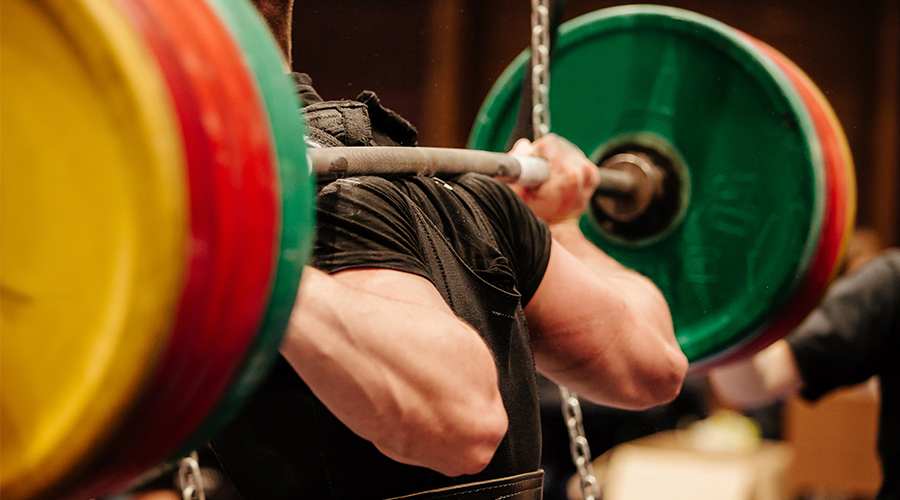
Muscle contraction and relaxation require the combined action of three critical minerals:
Gym athletes
Focus on: sodium, hydration timing, magnesium, rest days
Sports athletes (football, HIIT, CrossFit, endurance sports)
Focus on: recovery nutrition, hydration protocols, conditioning cycles, mineral balance.
Read Also: Muscle Retention During Cutting Phases
Muscle cramps are not just a result of your workout. They are a sign that your body is failing at keeping itself up to the task of fitness. Sleep, nutrition, habits and lifestyle all play specific roles in the works of fitness. So next time you wear your comfy tank top and pack up your favourite activewear for the gym, ask yourself if your body is up to it or not. Avoid cramps with precaution.
 100% Safe & Secure payments: