Top 3 Ways to Avoid Hitting the Wall
27 April 2023



Hello Ziddis! Is muscle goal also your 2026 goal? Worry not. Here is how you can start. Let’s first untangle to issue. Thinking that if you aren’t able to achieve muscle growth, it is your workout’s problem is not always the right approach. Even with better exercises, perfect diet plans and expensive supplements, it is possible that you don’t achieve it. This is simply because hypertrophy doesn’t happen in the gym. It happens after your body interprets the signals and decides on a muscle-building expenditure in energy currency. Let us go through a breakdown to understand in-depth what this means for you.
Your body not only builds muscle when you work out, but also when it receives a strong, consistent message to grow. That message comes from multiple inputs working together:
These signals bring about balance in our body. Even if one of these signals is weak, the body shifts into maintenance or survival mode, not growth mode. Muscle growth is expensive-not for your pocket but for your body, and your body will not invest in it unless it feels safe and fulfilled.
At the cellular level, hypertrophy is controlled by pathways like mTOR. Here is what mTOR feeds on:
But certain activities can turn mTOR down as well:
You can train as hard as you want, but if your cortisol levels are high, hypertrophy signalling is not going to work.
Many people eventually reach a plateau in their muscle-building journey. Despite doing everything right in the gym, due to their internal environment, their workouts do not translate into muscle output. Here is why that might be happening:

Muscle growth follows a simple but strict sequence:
All the steps are important and not to be skipped.
Read Also: How Your Sleep Affects Muscle Growth: The Science Behind Recovery
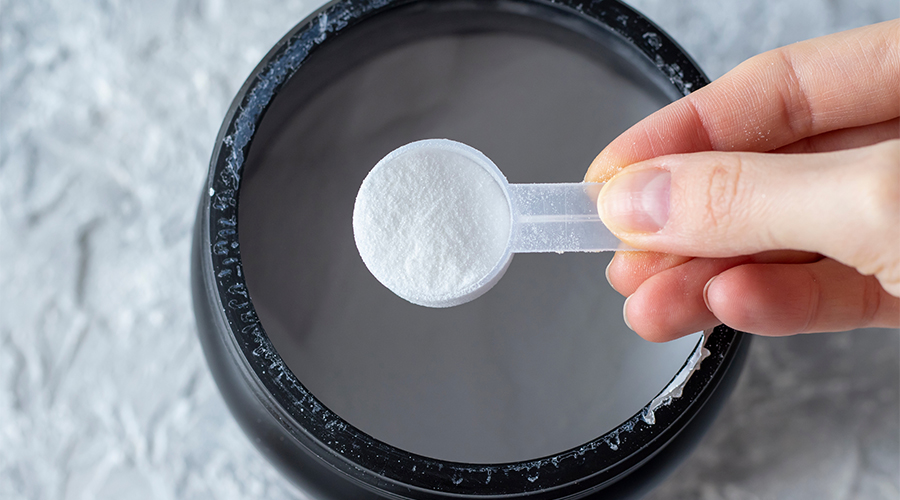
Muscle growth is not about chasing a perfect workout plan but making sure your body is sending the right signals for it. Think of it as an election for necessities in your body. While you are at it, focus on protein intake as well. If your diet is not able to fulfil your protein requirement, take the help of protein powder or protein bars.
Muscle is built by your body’s trust, not by force.
 100% Safe & Secure payments: