Creatine: Why It Works Even If You Don’t “Feel It”
24 March 2026


Hello Ziddis! Do you count yourself as part of the vast majority of people who experience the same result when they attempt to “bulk”: they end up with more body fat, a bit more muscle mass, and a body that looks soft rather than strong.
The goal is to build muscle mass, but the result is usually an increase in body weight, and the two are not the same. The reason why the vast majority of people cannot successfully bulk is that muscle growth is not fueled by calories; it is fueled by a biological process that requires mechanical stimuli, amino acids, and recovery. Calories are not the fuel; they are the food that the biological process requires to occur.
To successfully perform a lean bulk, it is not necessary to increase the amount of food being consumed; it is necessary to increase the appropriate internal environment that supports the growth and development of muscle tissue.
A lean bulk is a process that occurs slowly and carefully to promote muscle growth without excessive fat gain. Lean bulk succeeds because it recognises the limits to which muscle growth can occur.
Muscle growth occurs with a process called progressive resistance training. When muscles are challenged with increasing tension, new muscle fibres begin to develop. Without this process, the body will have excess calories and nowhere to store them except on the hips and other areas.
The basis of a lean bulk diet is a calorie surplus, not a calorie overload. The calorie surplus must be about 200-300 kcal/day to provide enough calories for muscle adaptation without overwhelming muscle growth potential. There is no point in consuming a large calorie surplus because it will only be used to store fat.
1. Small Surplus
2. High protein (quality + quantity)
Protein is more than just grams. It is more about the amino acid profile + digestion speed + absorption rate.
Best quality Protein for the body:
Best protein to take post-workout
Best protein to take before sleep
Low-quality protein sources:
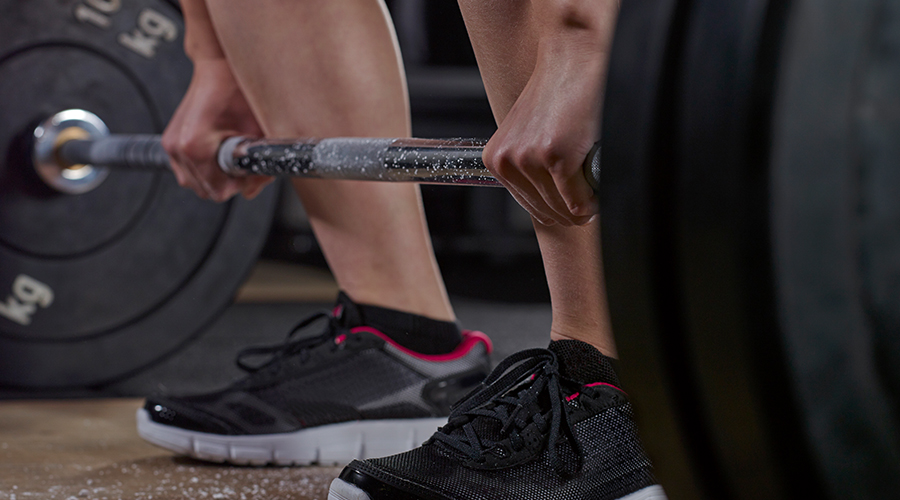
Resistance training is what causes lean muscle growth. Without it, bulking is just gaining weight. The fundamental principle of muscle hypertrophy is progressive overload. Muscles grow when there is an increased demand for it, which is more load, more reps, more sets, better control, and more tension.
Progressively Improve:
Training Priorities:
No training stimulus leads to calories being stored as fat. Food doesn’t build muscle. Training tells the body what to build.
Read Also: Bulking on a Budget: Here’s How You Can Do It
Bulking without fat is not a shortcut process. It is a slow biological adaptation that requires precision and consistency. Lean bulking is slow because muscle growth is slow by nature. There is no physiological mechanism that allows rapid muscle gain without fat gain. Get started with gym supplements like creatine to kick-start your lean muscle journey.
A true lean bulk does not transform your body quickly; it is slow, disciplined, and precise, but worth it.
 100% Safe & Secure payments: