
Abs are Great. But Can You Train Them Every Day?
15 July 2024


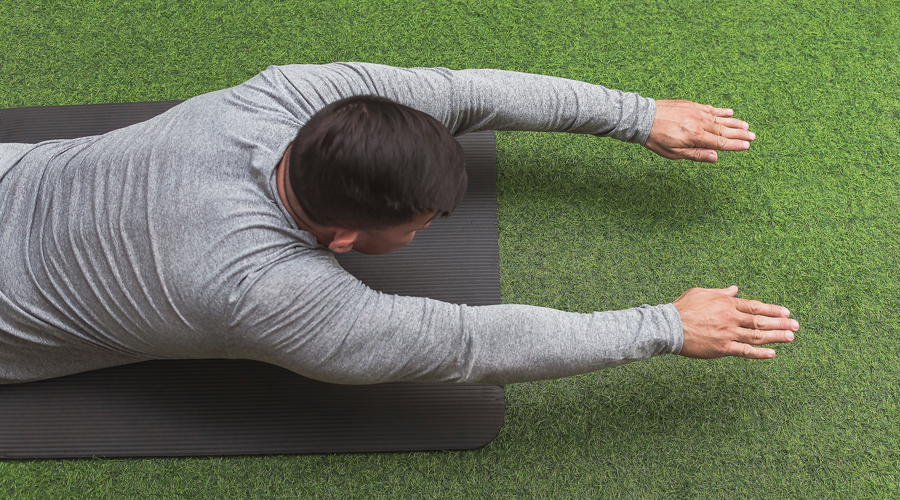
Hello Ziddis! Isometric holds don’t look dramatic. Nothing moves, no reps get counted, and yet they often feel brutally demanding, sometimes more so than lifting heavier. While they look so easy to do, almost effortless, it is a testament to how stillness can build strength and resilience. Sometimes, isometric holds create sustained tension, sensory feedback and neural strain. This makes the effort feel mentally overwhelming, too, not just fatiguing on a muscular level.
Anisometric workout is all about producing force and building resilience without any joint movement. The muscles stay fixed while contracting. Some examples of isometric exercises are:
What makes this type of workout very challenging to the body as well as the mind is the need to sustain the possible. While dynamic reps are made of an input force and a relief period, isometrics do not assure relief unless the exercise rep has ended.
Here are the phases of any workout:
During an isometric workout, all three are removed. From your brain’s perspective, sustained contractions increase central fatigue. Motor neurons must keep firing without interruptions, and inhibitory signals from the brain begin to increase as a protective mechanism. The longer the hold, the louder the internal “stop” signal becomes, even when the muscle still has the capacity to sustain.
There is also a time-perception effect. Without reps to count, the brain feels a lack of progress markers. The perception of time goes hazy, and what are ten seconds can feel like a minute. The effort feels difficult to endure and endless. This is why they are strenuous to the body and mind.
When you add equipment to isometric exercises, they end up exaggerating the mental challenge because its limits are variable. Here are some isometric workout equipment to consider when you start to upgrade your workout:
These can force your body into an exact position, and while you are yet to get to the level of investing in these, you can have your home workouts taking support of the walls and floors.
Using equipment creates many stressors, such as:
Even small deviations in posture increase the demand for resistance from the body. Your brain is in a constant state of monitoring your joint position, balance and tension distribution. That constant feedback loop increases cognitive load, which contributes to the unbearable feeling or sensation.
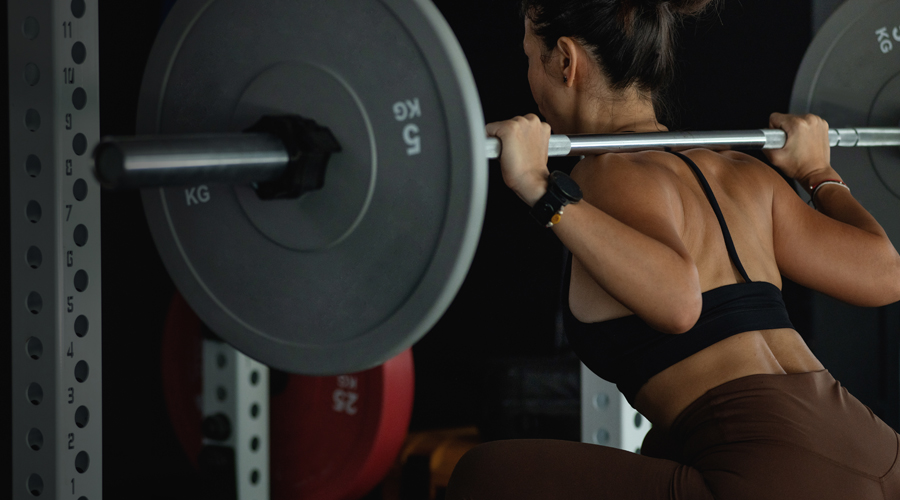
Isometric exercises come with their own set of benefits. Even though they look like low efforts (which they are not), they yield major benefits.
Physiologically:
Neurologically and psychologically:
Read Also: Compound vs Isolation Exercises: Understanding Their Roles in Your Fitness Routine
Isometric holds feel mentally harder than dynamic reps because they demand uninterrupted force, restrict blood flow, and remove rhythm and visible progress. The discomfort you feel is what builds fitness for you. So stay consistent with it.
If you are starting to take fitness seriously this year, you can start with the gym supplements that help you take your workouts up a notch, such as creatine.
 100% Safe & Secure payments: