Which Supplements Should You Cycle
20 April 2023


Hello Ziddis! Many people skip meals to cut calories, stay lean or make up for missed workouts in a busy schedule. On paper, it adds up. You are still consuming less than you are spending. But physiologically skipping meals before workout can create a chain reaction that quietly sabotages strength, endurance, recovery and long-term progress.
Skipping meals before a workout can directly reduce energy availability, the amount of usable energy left after basic bodily functions are met. When you train in a poorly fueled state:
Muscles rely heavily on glycogen, especially during resistance training and high-intensity cardio. If you skip meals, especially carbs, which are responsible for replenishing glycogen stores, the already low levels of glycogen show symptoms even before you begin.
This is why when you starve yourself, your workouts feel harder and show less results.
Muscle growth doesn’t happen in the gym; it happens in the kitchen and in bed. Rest and nutrition are the factors that can make or break your muscle growth dreams. Skipping meals interferes with muscle building by:
Eventually, this can lead to a frustrating scenario where you train consistently but see little change in muscle size or tone.
The short answer is yes! The longer one is, that it affects because your strength output is dependent on the readiness of your nervous system, muscle fibre recruitment and availability of fuel for high-effort training.
When you skip your meals:
While you might be able to squeeze in a few more reps, the principle of progressive overload goes out the window.
Some common dialogues heard by those who skip meals are:
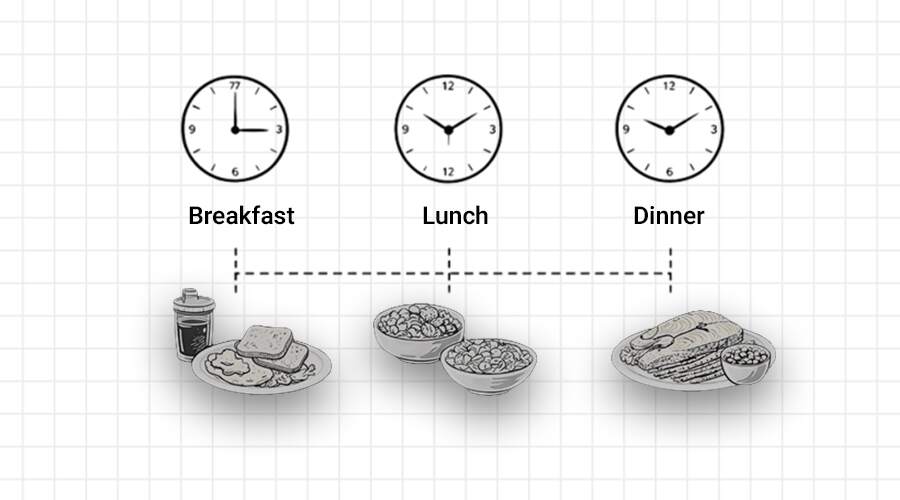
Meal timing doesn’t need to be perfect. It needs to be consistent. Here is ideally what must be followed for every meal
Skipping meals rarely happens alone. This mistake can lead to more nutritional mistakes, such as:
Fueling properly does not mean eating excessively. It means to eat strategically. Here are some simple tips to follow:
Meals don’t stall your progress; lack of energy does.
Read Also: Winter Hydration: Why Skipping Water Could Hurt Your Workouts
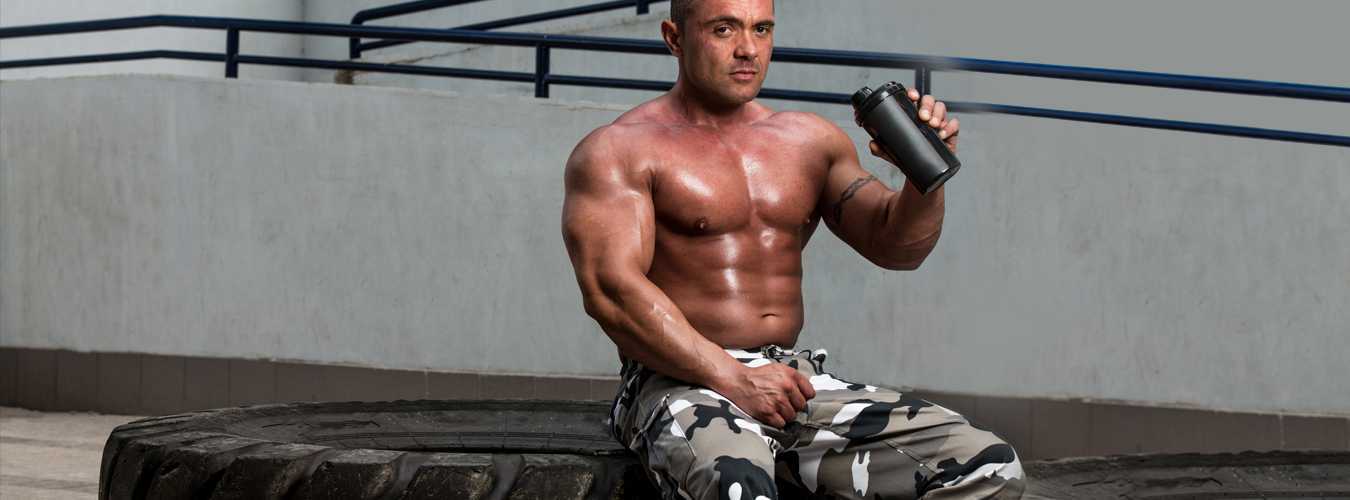
Skipping a meal doesn’t just affect your body weight but also your body’s performance, its ability to adapt and recovery rate. Low energy availability reduces glycogen and disrupts the hormones while increasing fatigue and limiting progress. While you start your fitness journey, fitness accessories can keep you motivated, and your trusted shakers for your supplements could be a great reminder that nutrition is as important as training!
 100% Safe & Secure payments: