
The Connection Between Cortisol, Stress, and Weight Gain
12 November 2025


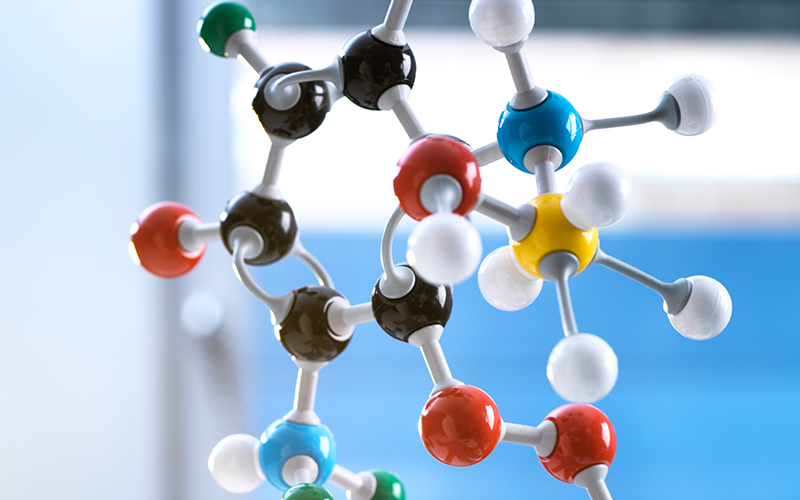
Hello Ziddis! You may remember something called ATP from biology class. However, once you begin to exercise, you need to understand the importance of ATP. Any movement you make, such as when you lift a weight, sprint down the track, or even make a muscle, all depends on one molecule called ATP. It is often called the energy currency of the body, meaning it provides immediate energy to allow muscles to function. Understanding the importance of ATP helps you recognise the importance of strength, power, and endurance, driven by the efficiency of energy production in the body.
Adenosine Triphosphate (ATP) is a chemical in every human cell. It is used to store and carry energy needed for essential bodily functions, including muscle contraction, nerve impulses, and protein synthesis.
Adenosine Triphosphate is composed of three parts:
The energy is stored in the bonds that are formed between the three phosphate groups. When the body needs energy quickly, such as during a heavy lift, the bonds are broken. Muscles contain a small amount of ATP, typically enough for only a few seconds of maximal work. This means the body must continually produce ATP for the muscles to continue working.
The process by which energy is released from the molecule is called ATP Hydrolysis. ATP Hydrolysis occurs when the phosphate bond of ATP is cleaved by the addition of water. During exercise, millions of ATP molecules are hydrolysed every second. During strenuous activities such as sprinting and jumping, the energy stored in ATP is depleted within 2 to 3 seconds. If the energy is not replenished, the muscles become weak.

To sustain muscle function, the body has developed various energy-producing mechanisms that generate ATP. These mechanisms operate simultaneously, with some performing best at different intensities.
1. The ATP-Creatine Phosphate System
This is the fastest energy-producing system, essential for 10-second energy-intensive activities. The energy is stored as creatine phosphate (phosphocreatine). Phosphocreatine is the quick energy reserve that the muscles utilise when the energy stored in the form of ATP is depleted. The energy is utilised for:
Because creatine phosphate stores are limited, they are depleted rapidly during intense exercise.
2. Anaerobic Glycolysis
For activities lasting 10 seconds to 2 minutes, the body begins glucose breakdown without oxygen, producing ATP.
3. Aerobic Energy System
For longer activities, the body produces energy by breaking down carbohydrates and fats with oxygen, producing ATP.
All these energy-producing systems ensure the body maintains a constant supply of ATP, which the muscles require.
Read Also: DOMS Explained: Why You Get Sore and What Helps
ATP is the immediate energy source behind every muscle contraction. During intense exercise, ATP depletes quickly, forcing the body to rely on energy systems that regenerate it. The ATP–creatine phosphate system is especially important for strength and power activities because it rapidly restores ATP during brief bursts of effort. This is why the availability of cellular energy directly affects performance in explosive movements and heavy lifting. Strength and power depend on how quickly your body can regenerate ATP. You are getting smarter by the day and taking care of your health and fitness, so here’s a little tip for you: If you have started regular strength training, then protein powder to make up for the gaps in your protein intake and BCAA supplements to support your muscle building are game changers.
 100% Safe & Secure payments: