
Tackling that Sweet Tooth When You’re on a Strict Diet. Everything You Need to Know
16 July 2024



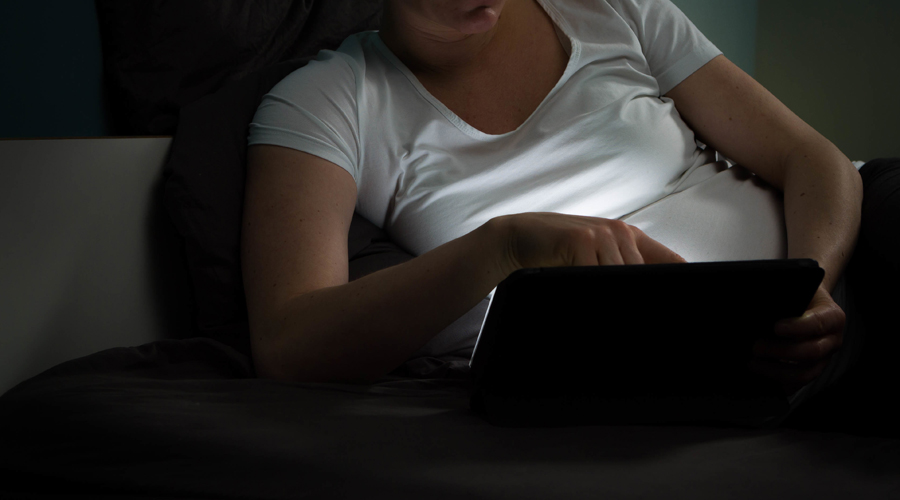
Hello Ziddis! We have heard from more and enough people about how screens in bed are a bad idea. Not just because it strains your eyes, but for many known and unknown reasons. Tons of research have been done on this. This blog will take notes from that research so that you know how screen time before bed is doing more harm than you estimate.
Scrolling late at night, chatting, or binge-watching keeps your brain in the “day mode”. Bedtime is for powering down, but bright screens and mental stimulation from the content can delay the natural order of your body when it needs recovery. Here’s how you push recovery away when using screens during bedtime:
Blue light is a short-wavelength light from your phones, laptops, TVs, basically screens, and it resembles daylight. Your brain thinks of it as a signal to stay alert, no matter how sleepy you are or how tired your body feels. This confuses your circadian rhythm, which controls your:
Melatonin is your body’s sleep hormone. It doesn’t knock you out like pills. It sets the tone for quality sleep.
Here is how blue light suppresses melatonin production
What does less melatonin mean for you?
You can sleep 8 hours and still wake exhausted. Why is that so? It is because recovery depends more on sleep quality than just duration. Screens before bed can lead to disruption in sleep quality, which can not be fixed by increasing your sleep duration.
You don’t have to go fully off-grid, but just strategic to not let screens derail your recovery.
Read Also: Why Sleep Quality Matters More Than Sleep Hours
Screen time before bed is common, but does not need to be normalised. It doesn’t just affect your sleep but also your recovery. Protecting your recovery is necessary for a good fitness routine. Improve your sleep quality, melatonin regulation and energy by thinking of nighttime routine as your recovery plan and not just an optional downtime. Sometimes, imbalanced vitamin levels can also prompt issues in the sleep cycle. Try vitamin supplements to fix it. Omega-3 is great to help with sleep, so adding omega-3 capsules might be a good idea. Please consult a doctor before starting it.
 100% Safe & Secure payments: