Meal Prepping: A Western Concept, or Something the Indian Diet Can Support?
11 September 2024


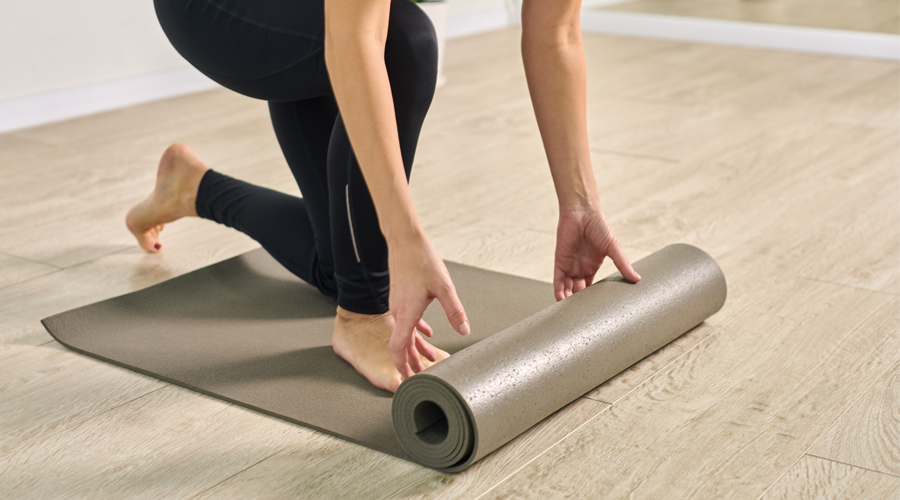
Hello Ziddis! Did you know? The surface you run on or train on plays an important role in how much stress your joints endure during the training. Every step sends force up from the ground through your feet, ankles, knees, hips and spine. Surface hardness, energy return and stability all determine whether that force is absorbed, redirected or amplified. You need to choose the right surface to train on so you can match it to your training goal.
Joint load simply means the mechanical stress that joints experience with each foot strike. When you run, the ground’s reaction force can reach you at 2 to 3 times your body weight, and the surface you run on can affect how these forces are distributed. Some factors that play a role in affecting joint load are:
Higher joint load doesn’t always mean “bad”, but unmanaged load over time increases the risk of getting injured.
Let us understand how different running surfaces impact the joint load
| Surface Type | How It Impacts the Body | Impact on Joints |
| Hard surfaces (concrete, asphalt) | Minimal shock absorptionHigher impact force transmissionConsistent and predictable foot strikes | Greater stress on the knees, hips, and lower back can aggravate existing joint or bone issues |
| Soft surfaces (grass, dirt, track) | More impact absorption Lower peak joint forces Slightly higher muscular demand | Reduced joint stress per step, especially helpful during recovery phases |
| Uneven surfaces (trails, sand, gravel) | Variable impact angles Increased stabiliser muscle activationLower repetitive impact due to unpredictability | Less repetitive joint loading, but higher risk to ankles, heels, and knees if the body is unprepared |
Both concrete and asphalt come under hard surfaces, but there are some differences that make each have its merits and cons.
1. Concrete:
2. Asphalt:
If joint pain is a concern, asphalt is a better option than concrete track.
There is no one single “best” surface for you to run. The best one is the one that helps you achieve your goals.
Read Also: How Shoes Change Impact Forces Through the Legs
Your surface choice directly affects how much stress your joints absorb and how well you recover from it. Hard surfaces boost performance but increase joint load, whereas the soft ones protect against joint load. Gear up in your activewear or tank tops and let’s get ready to run!
 100% Safe & Secure payments: