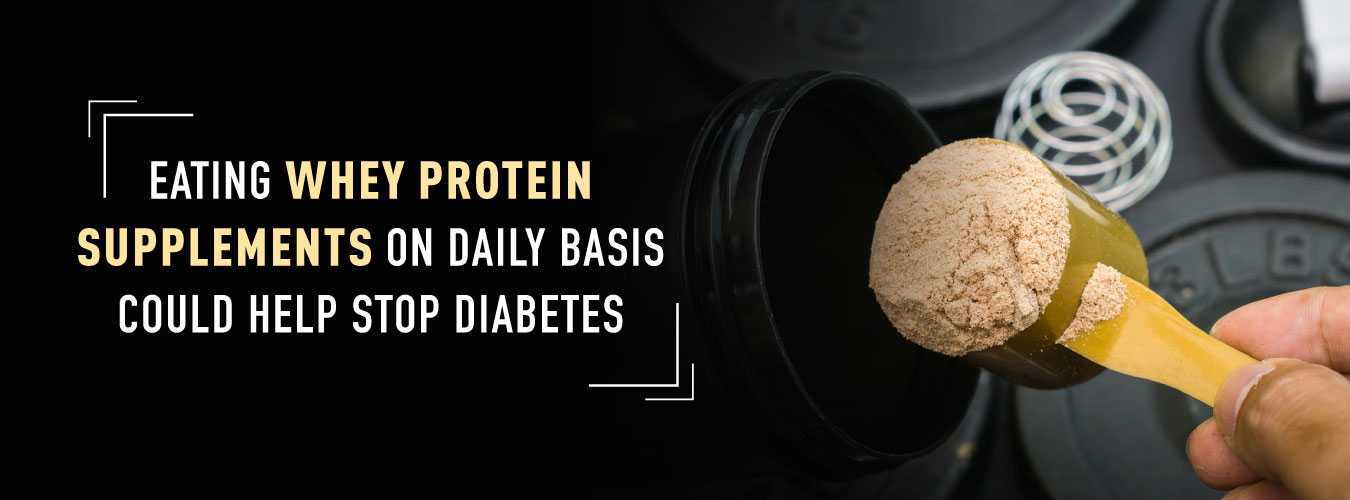
Eating Whey Protein Supplements on Daily Basis Could Help Stop Diabetes
7 January 2021



Hello Ziddis! Did you know that even though “healthy eating” is important, when taken to an obsessive level, healthy eating is no longer healthy? Orthorexia is the name given to this ‘grey’ area between discipline and obsession, where food is more than just a source of nourishment for the body.
An “unhealthy obsession with ‘pure,’ ‘clean,’ or ‘perfect’ food” is termed as Orthorexia. Unlike other eating disorders, Orthorexia is based on the quality and control of food instead of the quantity of food.
Although the motivation for Orthorexia is to improve one’s health and possibly even increase one’s level of fitness, Orthorexia is still an “unhealthy obsession with the food one eats.” The signs for someone who is Orthorexic are very obvious, and some of these signs include:
There is no particular reason why a person may develop Orthorexia. It is a combination of various reasons. These may include psychological, cultural, and environmental factors.
1. Fitness and Wellness Culture
2. Desire for Control
3. Perfectionism
4. Health Anxiety
The approach to treating and curing Orthorexia is based on the development of a healthy and balanced relationship with food.
1. Professional Help
2. Learning Flexibility
3. Overcoming Underlying Causes
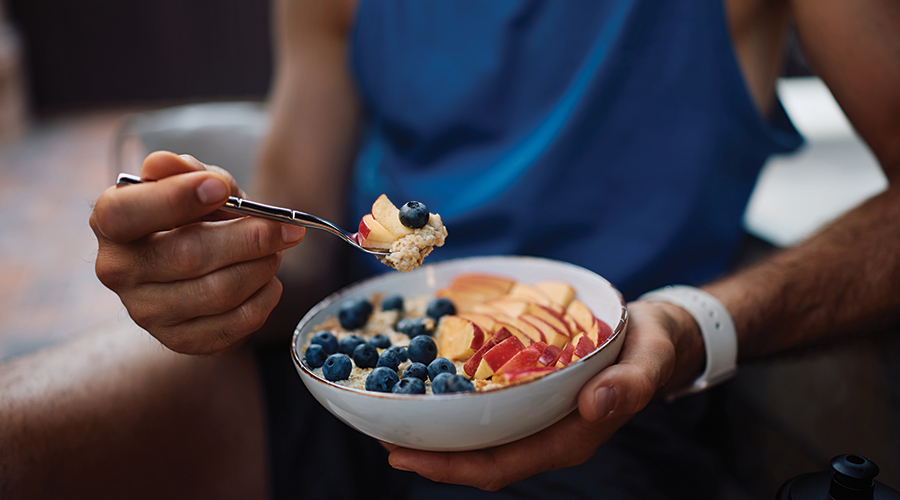
There is no specific diet that is considered an “orthorexia diet,” but certain patterns have been identified with people suffering from Orthorexia:
Ironically, this leads to:
A healthy diet is not only about nutrients but also about flexibility, variety, and sustainability.
1. Balanced Nutrition:
2. Orthorexistic Behaviours:
Read Also: The Blue Zone Diet: What to Eat to Live Longer
As with all things in life, orthorexia reminds us that even healthy things can become unhealthy when taken to an extreme. Balanced nutrition is not about being perfect; it is about being balanced, flexible, and stress-free. If you can live your life with a nutrition pattern and it is not controlling your life, then you know you are on the right track.
 100% Safe & Secure payments: