
6 Healthy Ways to Strengthen Your Immune System
1 June 2021


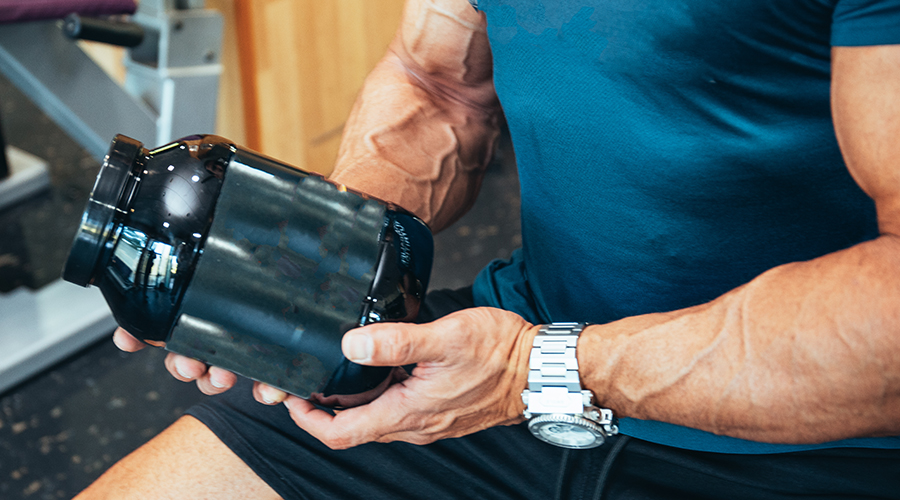
Protein powders are normally represented with a single value: grams of protein per serving. However, this value does not always represent the whole picture. Most traditional methods of testing a protein powder only test for nitrogen, rather than the amount of actual protein your body can use to build muscle.
If you understand how this works, you can avoid many protein powders that promise a high protein content but deliver much less in practice.
Most protein powders are tested using the Kjeldahl or Dumas method. These methods measure the total nitrogen content of a sample of a given substance.
Why Nitrogen?
Amino acids, the building blocks of proteins, contain a fixed amount of nitrogen in each. Scientists have assumed that if they can measure the nitrogen content of a substance and multiply it by a standard factor, they can estimate the total protein content.
The formula looks something like this:
| Step | What Happens |
| 1 | The test measures total nitrogen in the sample |
| 2 | The nitrogen amount is multiplied by a factor (usually 6.25) |
| 3 | The result is labelled as grams of protein |
This method works fairly well if the nitrogen source is only intact proteins. But it leaves a hole.
The test cannot distinguish true protein from other nitrogen-containing substances.
Protein consists of a chain of amino acids. Each amino acid contains nitrogen. Your body breaks down protein into amino acids and uses them to repair tissue, build enzymes, and support muscle growth as it digests the protein.
Nitrogen is not protein. Manufacturers will use cheaper nitrogen-rich substances that are considered protein during testing but will not provide the same nutritional benefits.
Examples of these include:
| Substance | Why It Is Added |
| Free amino acids like glycine or taurine | Very cheap and high in nitrogen |
| Creatine | Contains nitrogen and inflates test results |
| Other nitrogen compounds | Raise measured protein numbers |
The problem is that the test does not directly measure protein. It measures nitrogen. These ingredients may cause the protein levels to appear higher than they are. However, they are not actually helping the muscle-building process. This practice is called amino spiking.
To better understand the problem of protein spiking, it might be helpful to consider elemental nitrogen.
The term elemental nitrogen refers to the raw nitrogen atoms in a substance. A testing facility can’t know whether the nitrogen they are testing came from:
All of these contribute to the same nitrogen levels. For example:
| Ingredient | Nitrogen Detected | True Muscle-Building Protein |
| Whey isolate | High | High |
| Glycine | High | Very low value for muscle protein synthesis |
| Creatine | Contains nitrogen | Not protein |
This means the protein powder could be labelled “25 grams of protein” while providing far less complete and usable protein.
The term reactive protein refers to a protein that is actually useful to the body. To put it simply, it is the protein that drives muscle protein synthesis.
The quality of protein that the body actually needs is based on the following:
Essential Amino Acids are the nine that the body cannot make on its own. The diet or a supplement must supply them. A protein supplement that uses non-essential amino acids to boost nitrogen levels may report higher protein levels but offer less effective muscle-building properties.

However, as a consumer, you can take steps to ensure your safety by looking for a few signs of transparency.
1. Amino Acid Profile Given: The brand is confident in their protein powder if they are providing the entire amino acid profile.
2. Third Party Testing: Third-party testing is a good indicator that a protein powder is genuine.
3. Clear Labelling: Avoid protein powders with proprietary blends and ambiguous ingredient lists.
4. Real Protein Sources: Good protein powder sources include:
All of these sources contain the entire amino acid profile.
Read Also: How to Read a Protein Label in 30 Seconds
The problem with protein powder is that testing relies solely on nitrogen content. However, there are many nitrogen sources, and some are very inexpensive. The only way to obtain the protein your body needs is to focus on protein content rather than nitrogen content. When researching protein powders, consider complementary foods and protein sources to enhance fitness, such as Fit Foods and oats protein. Check them out to start your protein-rich diet on an easier note.
 100% Safe & Secure payments: