Engaging Your Core: Simple but Powerful Exercises to Build a Strong Core
23 February 2024


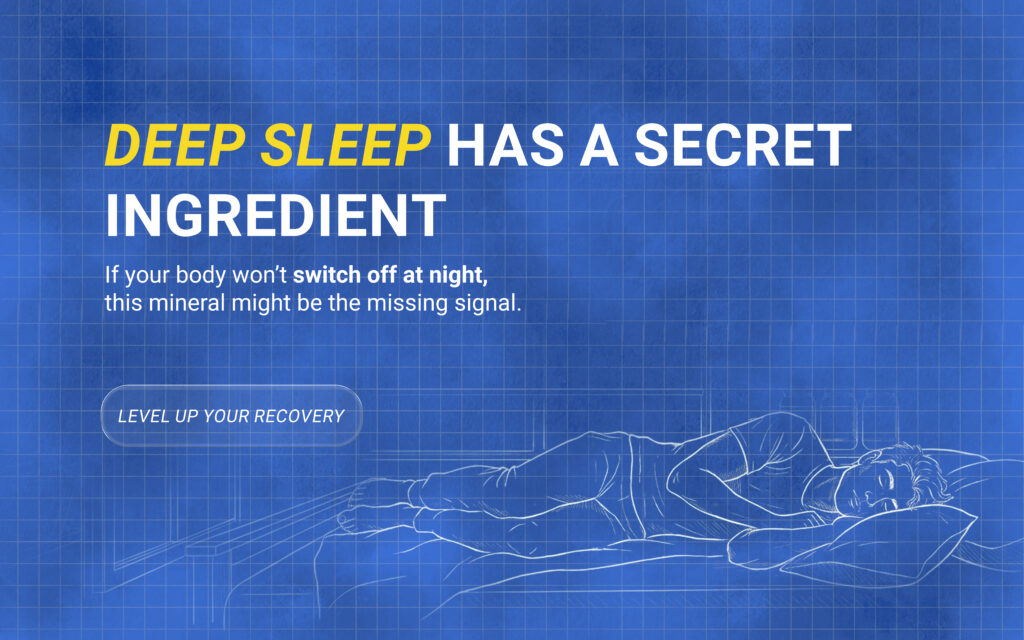
There is a good chance that you could be training regularly, getting your protein needs met, and following a routine. But after all of this, if your sleep is not restorative, your progress will hit a plateau. This is because recovery does not take place during training. It happens during sleep. One of the commonly overlooked factors affecting the quality of sleep is magnesium.
Sleep is not a mere time of resting. It is an active phase during which the body experiences repair and regeneration. During deep sleep, muscle tissue is rebuilt, the growth hormone is released and the nervous system is reset.
However, many people have problems with the quality of sleep, not the quantity of sleep.Even if you are getting 7 to 8 hours of sleep, many factors like stress, screen time and lifestyle habits can lead to a disturbed sleep pattern where your sleep quality is compromised. As a result, the body does not fully recover.
Magnesium is an essential mineral with hundreds of biochemical processes in the body. It is of importance when it comes to sleep and recovery. It plays a role in regulating the neurotransmitters that help calm the nervous system. Magnesium supports the activity of the compound called ‘GABA’ which comprises reducing brain activity and preparation of the body for sleep.
Second, it is involved in stress management. High cortisol levels can make the body feel on stress and unable to relax. Magnesium in turn helps to regulate this stress response so that the body can move into a more relaxed state.
Third, magnesium is important in muscle relaxation. It helps to reduce muscle tension, cramps and involuntary contractions, which can all interfere with uninterrupted sleep.
There is an inverse relationship between insufficient magnesium levels and poor sleep quality. You can also sleep enough but still feel fatigued, wake up often or have trouble sleeping.
This is because the body is in a partly activated state. The brain does not fully relax and the muscles do not completely release the tension. This can cause an issue with the performance, recovery and overall well being in a longer run.
Magnesium deficiency is more common than you have heard of it. Modern eating habits, which tend to include processed food, may not be a good source of this mineral. Additionally, factors like intense physical activity and chronic stress can also cause a rise in the need for Magnesium in the body. People who workout also lose Magnesium in sweat.
Magnesium can be found in a proper diet. Food high in Magnesium are:
Even though these sources are good, it is difficult to maintain optimal intake from diet alone. This is true especially for people who have a busy lifestyle that they have to maintain.

In cases of insufficient diet intake, it is important to include a supplement in the diet as well. Usually, the people prefer forms like magnesium glycinate due to the absorption and calming properties.
Intake of magnesium about 30 to 60 minutes before sleep can help relax and improve the quality of sleep with time. It is important to note that magnesium is not a sedative. Instead it supports the body’s natural processes for sleeping.
While magnesium may play a supporting role, it should be part of a broader approach to sleep hygiene. Maintaining a regular sleep schedule, minimizing screen time before bedtime, avoiding caffeine in the late evening hours, and making the room sleep-friendly are all important practices.
Read Also: Why Sleep Quality Matters More Than Sleep Hours
Sleep is a very important aspect of recovery and the quality affects performance and overall health directly. Magnesium is an important nutrient that is too often overlooked for its role in promoting the processes that allow us to achieve a deep and restful sleep.
For those having poor sleep despite consistent training and nutrition, correcting magnesium intake may be a great step in finding better recovery and better results.
 100% Safe & Secure payments: