Creatine Monohydrate vs. Other Creatine Forms: Which One Is Right for You?
26 August 2024


Hello Ziddis! Have you ever thought, what if the key to a longer and healthier life is not about a strict diet but about a way of living that naturally supports our well-being? That is exactly what researchers found in the world’s ‘Blue Zones,’ which are areas around the world where people generally live longer and healthier than anywhere else. Some of these Blue Zones include Okinawa (Japan), Sardinia (Italy), Ikaria (Greece), Nicoya (Costa Rica), and Loma Linda (California). While they all have different cultural characteristics, they share similar characteristics in terms of how they eat, how they live, and how they interact with one another. Now, let us examine what this Blue Zone diet is all about and how you can apply this in your own Indian context.
The Blue Zone diet is not technically a diet at all. Rather, it is a way of eating that is characterised by:
Rules of thumb that are good to follow are:
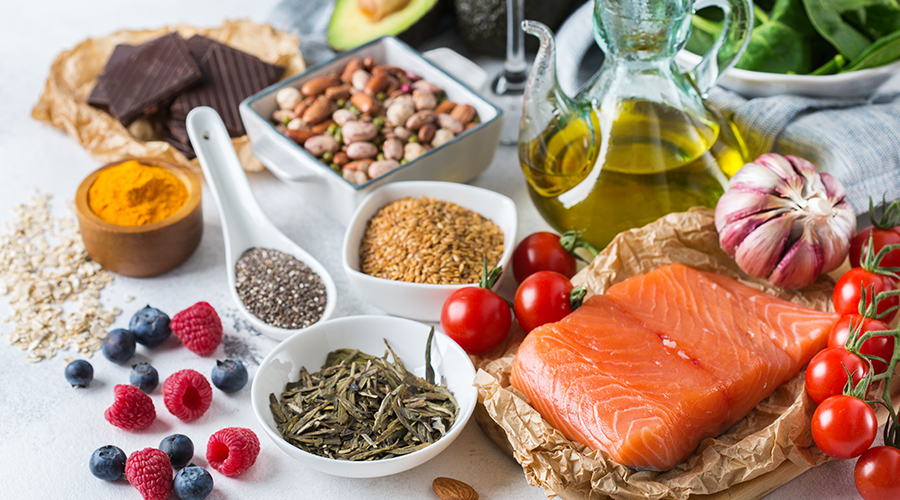
Let’s see how the simple and conventional Indian food pattern can be followed according to the Blue Zone Diet:
| Eat more of: | Reduce Eating: |
| • Legumes: Dal, Rajma, Chole, Lobia | • Processed foods like chips and packaged snacks |
| • Whole grains: Brown rice, millets like Ragi, Jowar, Bajra | • Sugary drinks and desserts |
| • Vegetables: Leafy veggies, gourds, carrots, cruciferous veggies | • Refined flour products like maida-based food |
| • Fruits: Seasonal and local | • Excessive consumption of red and processed meats |
| • Nuts & Seeds: Almonds, walnuts, flaxseeds, sesame seeds | |
| • Healthy Fats: Cold-pressed oils like mustard oil and groundnut oil; coconut in moderation |
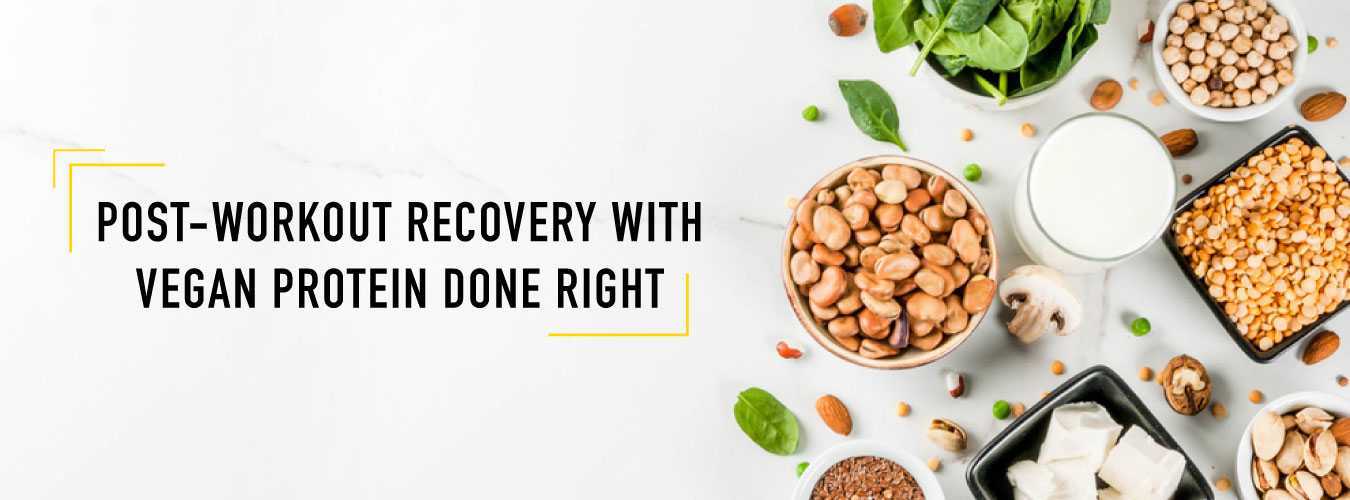
The good news is that this lifestyle is already vegetarian-friendly. The best part is that the Blue Zone diet consists of a lot of plant-based protein. So if you are a vegetarian, you can easily adopt this diet by:
If you are allergic to dairy, you can have almond and coconut curds and milk.
In addition to diet, the people in the Blue Zones also have the following lifestyle factors in common, which contribute to their longevity:
These are all equally important as the food they eat.
Read Also: Keto vs. Low Carb Diet: Key Differences You Should Know
The Blue Zone diet is not about deprivation. It’s about simplicity, balance, and consistency in what we put into our bodies. To incorporate the Blue Zone diet into your lifestyle, try to eat mostly plant-based, home-cooked meals, make legumes and whole grains your main staples, exercise daily, nurture your relationships and reduce your stress.
 100% Safe & Secure payments: