
Are ‘No-added Sugar’ Products Good for You? And How Much is Too Much?
16 August 2024


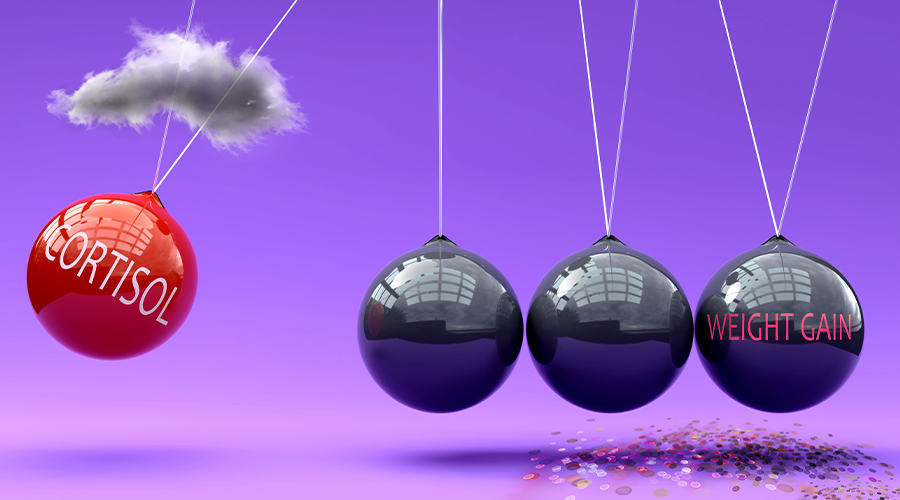
Hello Ziddis! Do you often end up complaining about stress regularly when asked about weight gain? While stress is a constant companion in today’s competitive world, it need not be the deciding factor of your life. Weight gain due to stress is not just owing to the access to food we hog as a coping mechanism, but something more hormonal. The main culprit is your body’s stress hormone called cortisol. Let us understand what it is.
When you are stressed, your adrenal glands secrete more cortisol as a part of the “fight or flight” response. This hormone gives you a burst of energy to react in stressful situations. This increases alertness and raises blood sugar to help you respond to immediate challenges. But, when stress becomes a constant state for you, which could be because of work pressure, lack of sleep, health concerns or emotional strain, the cortisol levels stay elevated.
Having constant high cortisol levels has a major effect that can lead to weight gain, especially in the abdominal region. Cortisol increases your appetite, making you crave high-calorie comfort foods that are loaded with sugar, salt or fat. Cortisol also slows metabolism and encourages your body to store more fat, but the dangerous kind called visceral fat. This kind of fat surrounds your organs and increases the risk of heart disease and diabetes. In short, long-term stress does not just affect your mental health but also your physical health by compromising your body’s fat storage system.
Cortisol and insulin are major metabolic hormones. They are closely linked. When cortisol levels stay high, they can disrupt insulin sensitivity. Normally, insulin helps move glucose from your bloodstream into your cells for energy. But if you experience chronic stress, your body becomes less responsive to insulin, leading to insulin resistance. This means your body produces even more insulin to try and lower blood sugar, but it promotes fat storage. Over time, this combination of elevated cortisol and insulin resistance can make losing weight extremely difficult and increase the risk of developing type 2 diabetes.
More contributors to this risk are poor sleep, emotional eating, poor eating habits, unhealthy coping mechanisms and more. This result is physical weight gain and also metabolic imbalance that affects energy levels, mood and overall health.

The good news is that you can break free from the cortisol-weight gain cycle through better ways of stress management. But you will need to make lifestyle changes.
Read Also: The Role of Magnesium in Muscle Recovery and Stress Management
Chronic stress affects more than just your mind. It impacts your life and lifestyle. The vicious cycle of stress leading to weight gain leading to health concerns in return, leading to stress, can only be broken by certain changes you promise to bring about. Take support of good food, quality sleep, movement and relaxation to bring your life back on track.
 100% Safe & Secure payments: