Fruit and Weight Gain: Balancing Calories and Nutrients
2 October 2024


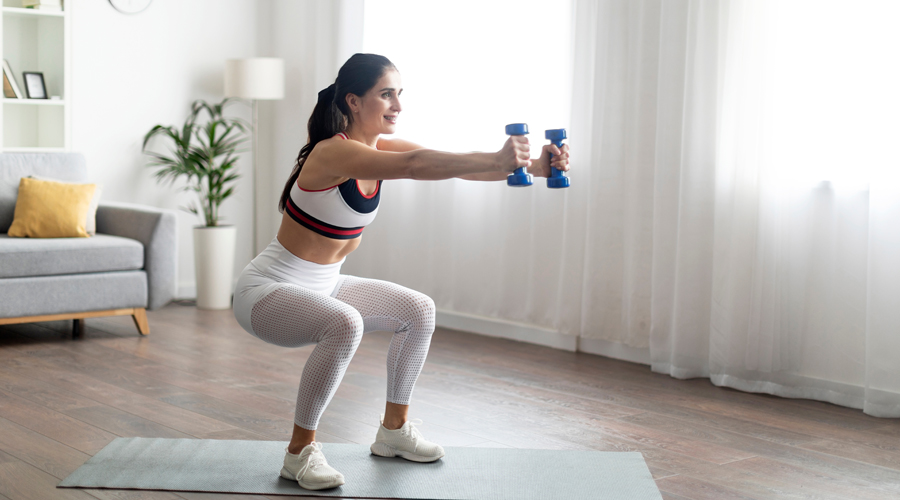
Hello Ziddis! In 2026, many of us are choosing our health and fitness. One important lesson we should all carry into this year is that quality need not be painful. Most people believe that if you feel sore and exhausted after the workout, you have had a good workout. “I can barely walk” or “I slept as soon as I got home” is not the feeling you are chasing because feeling worked and getting strong are different things. While fatigue is immediate, strength is adaptive. Understanding the difference can make a lot of things easier.
Feeling worked is about stress and strain on your body, whereas getting stronger is about adapting your body. A workout can leave you feeling sore, sweaty and exhausted without getting you closer to the strength you are chasing. This fatigue comes from:
Strength is when your body adapts to a specific, repetitive demand over time. Early in training, soreness and progress go hand in hand, but as your body and nervous system adapt to your training regimen, soreness becomes an indicator that you are not advancing.
Effective training isn’t about how much discomfort you have to endure; it is about how well the stimulus matches the adaptation. Strength training works through 2 main mechanisms:
These two mechanisms do not require you to be exhausted after each session to feel the progress. In fact, excessive fatigue can make your training less effective by:
True strength progress is visible when you chase performance, not just sensations. Here are some signs that you might actually be getting stronger:
But watch out for some signs that can be mistaken for progress:
Soreness occurs when your body is unfamiliar with a movement, not when it has become accustomed to it. If your numbers aren’t moving but your fatigue is high, your training stress is exceeding your recovery capacity.

The quality of your workout is not any better if you feel punished after your session. Workout quality comes from:
Strength is built during the recovery period between workouts.
Efforts feel productive, and results are the absolute measure of it. The fitness industry often rewards visible struggle because it is emotionally and aesthetically satisfying. But long-term progress can take more time:
Read Also: Strength Training vs. Cardio: What’s the Best Ratio for Fat Loss?
Feeling worked is a short-term sensation. Getting stronger is a long-term process. Soreness, sweat and exhaustion are not proof of progress. Train to adapt, not to suffer.
 100% Safe & Secure payments: