
5 STRENGTH TRAINING MOVES FOR A RUNNER
20 April 2023


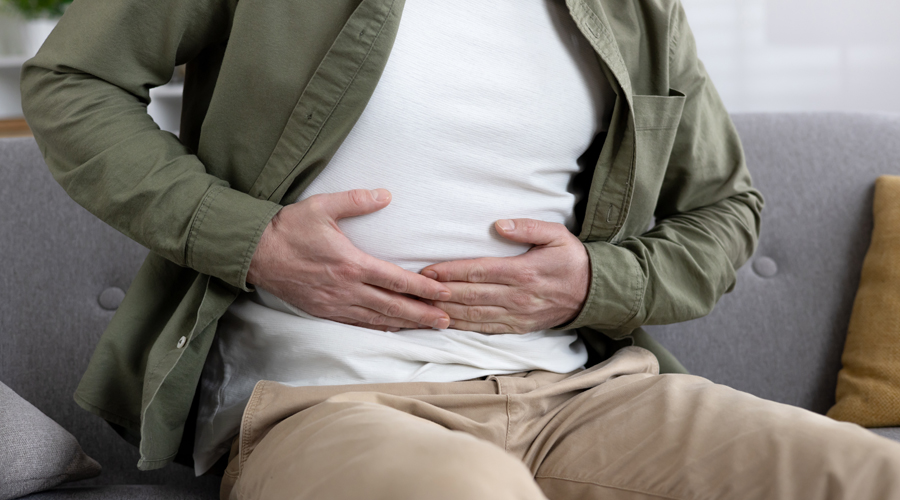
Hello Ziddis! We often think of emotions to be originating solely in our mind. But here is a fun question, why do we call it a “gut feeling” or why when we are upset or scared, we feel it in our stomach? Science shows that many moods are shaped in our gut. From anxiety to low energy, from mental clarity to emotional balance, the digestive system, aka the gut, plays a huge role in your emotions.
But it is not just a one way road; this is a two-way communication between your brain and your gut. Researchers call it the Gut-Brain Axis. This concept is here to teach you have your mental wellbeing can shape your physical wellbeing.
The gut-brain axis is a bidirectional communication system that connects your GI tract and your central nervous system. This connection operated through:
To make it simpler, just imagine your gut and your brain having a constant conversation via walkie-talkies, which are all the elements mentioned above.
One of the most striking discoveries in all of the research done regarding the connection between gut health and mood is that around 90% of serotonin, aka the happy hormone, is produced in the gut, not the brain. Which means if your gut health is compromised due to poor diet, chronic stress, inflammation, antibiotic overuse, or irregular sleep, it can directly affect serotonin production and mood regulation.
This is why people with gut imbalance often experience
When your gut is nourished and healthy, it can support your emotions and make you calmer and happier and vice versa.
As we already know, the Gut Brain connection works as a two-way street. Here is how each interacts with the other:
This is a constant loop of feedback, and it explains why mental health and digestive issues are interlinked.
Digestive health is now recognised as a key pillar of mental well-being. Many mental health conditions, such as anxiety, depression and chronic stress, are also proven to be linked to digestive discomfort in many cases. Mental health issues can manifest into digestive issues such as:
Having meals at regular timings, mindful eating, practising stress-reducing activities, and gentle movement can improve your mental, emotional and digestive health.
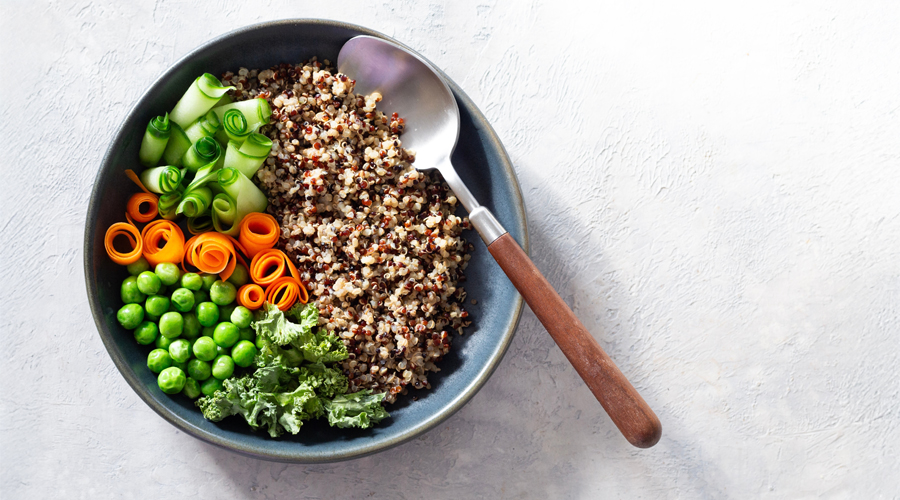
Your gut microbiome is made up of both good and bad bacteria. Both play a role in healthy balance, supporting digestion and impacting your mental health. This balance is disrupted due to reasons like stress and mood disorders. A diverse healthy microbiome helps with:
What helps the microbiome thrive better is:
Read Also: Gut Health Workouts: Yes, Your Fitness Affects Your Gut
The gut brain axis reveals a powerful truth, your mental well being doesn’t start in your mind but also in your gut. So, make sure you have quality food, quality gym supplements, nurture the healthy gut microbiome, and keep your mood well.
 100% Safe & Secure payments: