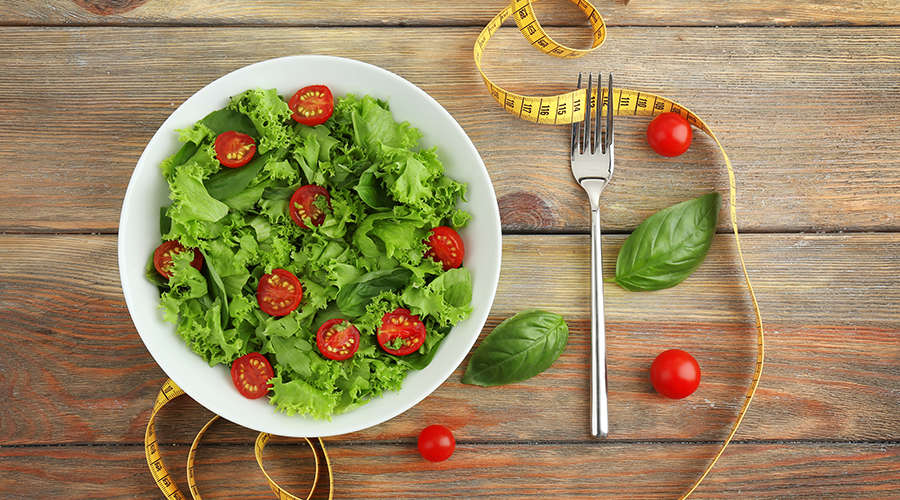
A Guide to Portion Control: Everything You Need to Know
4 December 2024



When you think of heavy metal, you’d think distorted guitars and loud drums. All true but in the world of supplements heavy metals are not really cool. We are talking about elements which make your supplements dangerous like lead, mercury and arsenic. They are the uninvited guests, who could crash your fitness party. Understanding heavy metal testing is not just about scaring you away from your daily multivitamin, it is to make sure you are choosing right.
Heavy metals are metallic elements with high densities that are toxic even when consumed at minuscule quantities. Unlike the vitamins, which you take intentionally, these aren’t nutrients, they are environmental bystanders. How do they get in your protein powder or herbal capsules?
In the lab, the technicians who ensure the safety of your supplements usually look for:
While the human body is resilient and has a safe-guarding system of its own, a lot of elements have the potential to enter it and cause havoc. This can build up in your tissues in the long run. Why heavy metal testing matters is simple:

When you think of testing you might imagine a person with magnifying glass skimming through your supplement powders like whey protein looking for metal traces. That is great imagination but because of the advancements in science, we have high-end labs to use a process called ICP-MS.
Safe limits are already determined for these heavy metals by authorities like FDA, NSF or EPA.
When testing the heavy metals, supplement companies go for:
Read Also: How to Read a Protein Label in 30 Seconds
Heavy metals are a natural part of the environment but need not be a part of your daily supplement routine. Always check for the lab tested supplements and ensure that the heavy metal levels are to minimum. Even your fit foods and peanut butter is checked for heavy metals so make sure next time you are buying something for your fitness goals, they are checked and verified.
 100% Safe & Secure payments: