Lymphatic Drainage: Why Everyone is Talking About It
16 July 2025



Hello Ziddis! Do you often feel intense cravings and give in to have a chocolate midday or something salty at night, or just feel like munching on carbs when you are stressed? But cravings are rarely a sign of hunger. They are signals from your body, brain, emotions and your gut. Understanding psychology of cravings can help you make healthier choices without feeling deprived.
Cravings often begin in the brain, not the stomach. The reward centre of the brain, which is powered by dopamine, lights up when you anticipate food that pleases you. This means even thinking about panipuri or chocolate can trigger a feel-good loop in your mind.
Emotions also play a huge role in the psychology of cravings. Stress, boredom, loneliness, and fatigue often prompt us to seek out food that comforts us and provides a quick dopamine rush. Recognising the emotional triggers behind cravings can help us shift from reacting and giving in to understanding what it is that your body is actually asking for. For sure, it isn’t food, but it could be rest, connection or comfort.
Biology is the influencing factor when cravings hit. Some aspects like low blood sugar, lack of sleep, dehydration and irregular meals can all spark intense hunger that often translates to “hogging”.
When your energy dips, your brain looks for the fastest way to refuel and sugar and carbs are that. Sleep deprivation can also raise your hunger hormone and reduce the hormone that signals that you are satiated. This makes it difficult to resist processed food and also to stop eating it even after you are full.
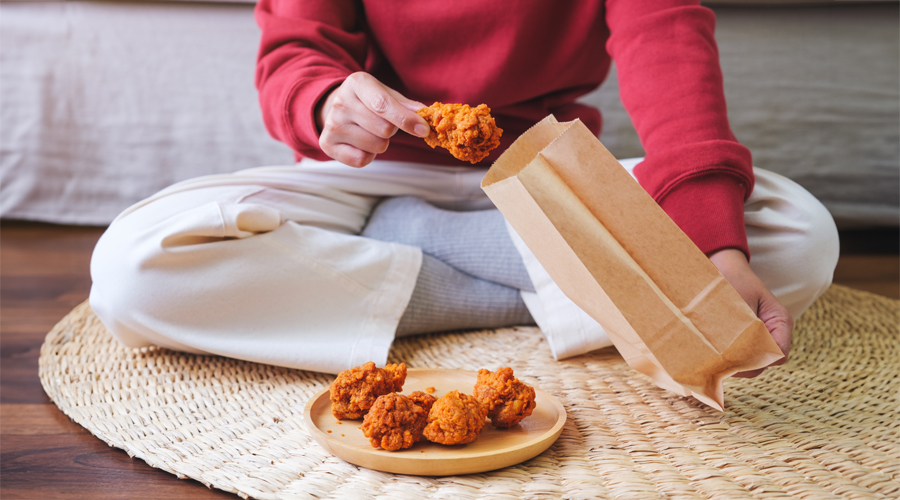
Menstrual cycles are the biggest culprits in patterns of cravings and overeating for women. In the luteal phase, a woman’s body demands more energy and carbs. While menstruating, it demands more comforting food like chocolates and chips.
Your cravings often map directly to your need at that moment:
Cravings are your body’s language to communicate.
Hormones can impact cravings in ways we don’t often realise:
Sometimes cravings are also a call for help from your body for the missing nutrients:
Read Also: Cheat Day or Cheat Season? How to Handle Winter Cravings
Now that we have understood that cravings are our body’s way of communicating its needs, we must start understanding how we can fulfil them. Keep fit foods accessible or incorporate proteins in every meal, like oats protein for breakfast, dairy or meat for lunch and dinner and snacking on protein snacks can help us combat the intense feeling of hunger that comes with craving. But you need to start listening to your body’s call for help when the hunger strikes and provide it with the nutrition it needs, not what you crave.
 100% Safe & Secure payments: