Everything You Need To Know About The Connection Between Fitness and Sleep
20 July 2021


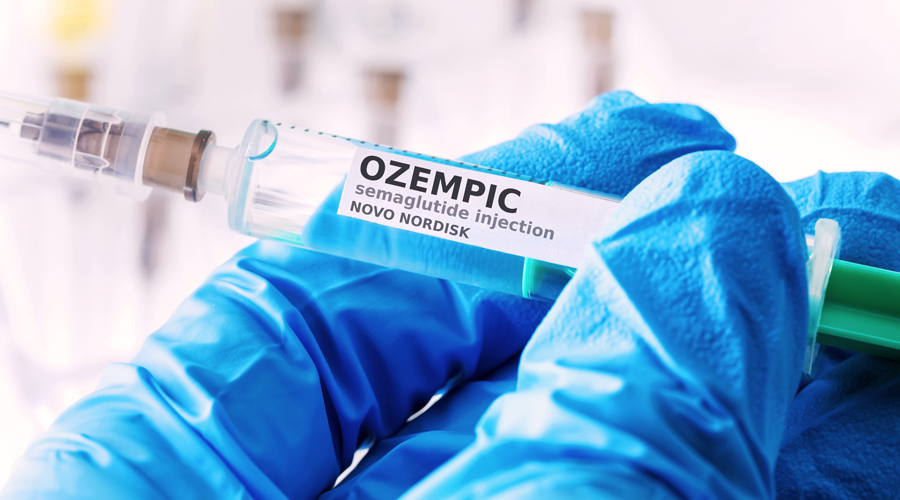
Hello Ziddis! Turns out that the fad for the year 2025 is Ozempic! Ozempic gained a lot of coverage because of its marketing for weight loss. But did it stand by its promise? Mostly! Did it have any drawbacks? Naturally! Let us understand the verdict on the unintended consequences of using Ozempics.
Created as a treatment for type 2 diabetes, Ozempic gained popularity for its strong appetite-reducing effects, resulting in weight loss. Most often, the reason for quick weight loss after using Ozempics is:
But this fast weight loss is not always healthy weight loss and is never sustainable. This is where the unintended consequences began.
Ozempic was initially meant to:
Using it purely for cosmetic weight loss was an off-label branding and skipped major medical concerns.
Once the initial excitement subsided, physiological concerns took over. Long-term use was harmful. It led to:
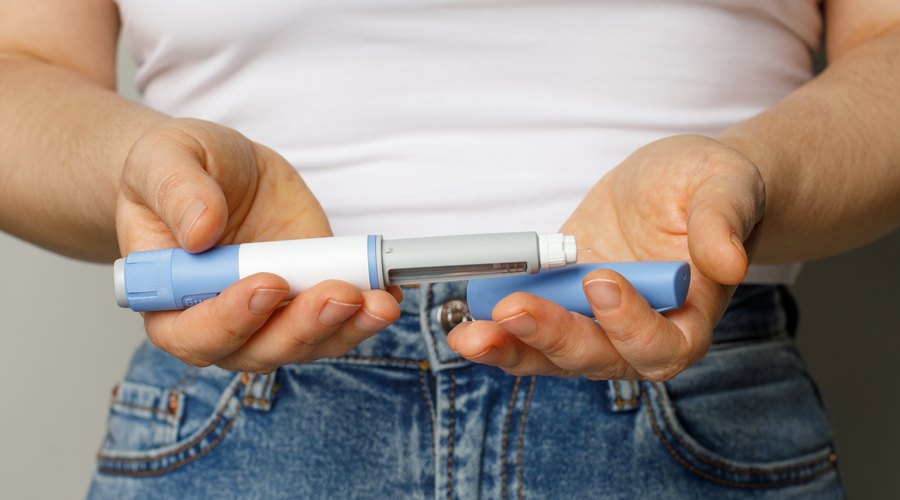
This is the biggest concern every seems to be disregarding. When the weight drops too fast, and the protein intake is low, your body burns muscle, not just fat. Research shows 40% of weight loss caused by the GLP-1 drugs is actually muscle mass. This needs to be addressed because:
If someone used Ozempic without a habit of strength training and high protein intake, they often end up losing weight but also their strength.
This is not medical advice; it is a general rule that people follow, and doctors recommend.
Please consult a physician before making any changes to your routine
Read Also: What actually is Ozempic, and why is it getting so much attention?
Ozempic is a powerful weight loss tool, but it comes with a cost. While it can transform your body, it can also affect your metabolism, digestion, hormones and muscle mass. It works best when paired with strength training, protein-rich meals, medical supervision, and a long-term nutrition plan. If you feel a gap in your nutrition, consider getting your vitamin levels checked. Often, Omega 3 capsules and vitamin supplements can help make up for it.
 100% Safe & Secure payments: