Why Fitness Fails on Weekends—And How to Fix It
16 December 2025



Hello Ziddis! For all those who go through “Damn, it is the shark week. AGAIN” every month, we know how difficult it must be to maintain your training momentum. This doesn’t just happen during the five days of the period but even before it starts. Premenstrual symptoms, aka PMS workout, are not a motivation problem, a discipline issue or even a mindset flaw. Women’s bodies go through major biological changes throughout the month. The biological response to hormonal shifts that occur in the late luteal phases of the menstrual cycle include sharp drop in estrogen and progesterone. These hormonal changes influence neurotransmitters like serotonin and dopamine, alter fluid balance and increase inflammatory signalling.
During PMS, the body’s stress tolerance reduces. The body is frail and weak already, but that does not mean your capacity to work out disappears. You must only pick the workouts that do not tire you down or require intensive recovery.
Here is what happens physiologically:
What this means for you when you work out during PMS is that your system is now more sensitive to stress, and hence, you must make sure of certain things when working out:
But, do not compromise on a few elements, such as:
A PMS workout is about managing stress input and not removing training stimulus. The goal is sustainability, not performance suppression.
Training during PMS is an individual choice basis the symptoms you face. Some women experience symptoms of higher intensity than the rest, and for them, it is important to rest and recover. Instead of asking “Do I feel motivated?” something better to ponder on would be:
Here’s what you can adjust for better output during PMS:
These adjustments are not shutdowns. If the strength output feels stable, then the load can remain. This prevents overcorrection and avoids the narrative that PMS equals incapability.
The female fitness cycle is rhythmic and not linear. Performance capacity shifts across phases. It is not fragile, but a regulatory way.
Different phases emphasise different strengths:
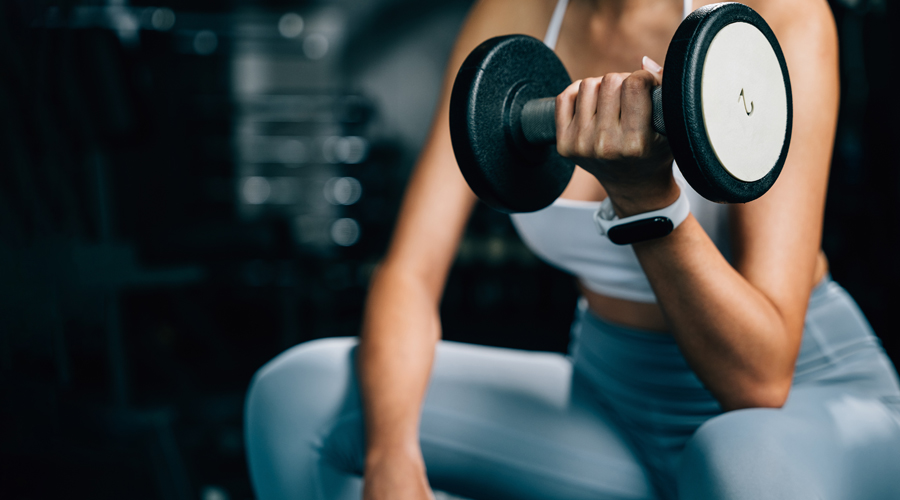
This is a regulated-load structure and not just a light workouts-only approach.
| Training | Example | |
| Strength Training | Maintain compound liftsReduce total working setsFocus on clean techniqueAvoid maximal grinders | Squats: 2–3 quality working setsDeadlifts: Moderate load, perfect formAccessories: Lower volume, controlled tempo |
| Conditioning | Low-intensity steady cardioShort controlled intervalsAvoid long metabolic finishers | Long walksSwimming |
| Mobility | Active mobility flowsLow-load movement patternsBreath-led nervous system regulation | YogaBreathwork |
Read Also: Working Out During Your Period: Everything You Need to Know
Training through PMS is not just about pushing harder; it is also about stepping away. It is about intelligent regulation:
PMS changes recovery bandwidth, not worth or your ability. Strong training systems are not built on perfect days, but resilience on tough days. On PMSing days, grab your comfy activewear like your favourite tank top, stretchable joggers and buckle up for a training and healing.
 100% Safe & Secure payments: