Generic selectors
Exact matches only
Search in title
Search in content
Post Type Selectors

Level up your fitness journey with MuscleBlaze

MUSCLEBLAZE

How to Do Goblet Squats for Stronger Glutes

Hello Ziddis! We are sure you must have heard of this beginner-friendly exercise, but are you doing it the right way? A goblet squats is a type of squatting exercise, especially great for all beginners, where you hold a dumbbell or a kettlebell close to your chest as you would if you were holding a glass or a goblet. This will help you improve your posture, making it much easier to get into a squatting position. But it is different from a barbell squat because a goblet squats feels much more natural. This helps those who are still building their strength, balance, or mobility.

Goblet Squats Exercise (Step-by-Step Form)

1. Stance

  • Stand slightly wider than shoulder-width apart
  • Turn your toes slightly outward (about 15 to 30 degrees)

2. Grip

  • Hold a dumbbell vertically against your chest
  • Hold your elbows down, close to your body

3. Descent (Going Down)

  • Push your hips back and bend your knees
  • Keep your chest up (don’t lean forward)
  • Go down until your thighs are at least parallel to the floor

4. Depth & Posture

  • Keep your knees over your toes (don’t let them collapse inward)
  • Keep your heels planted on the floor

5. Ascent (Coming Up)

  • Push through your heels
  • Squeeze your glutes to come up
  • Keep your dumbbell stable

Dumbbell Goblet Squats (Key Cues for Glute Activation)

To maximise glute activation and development, you must focus on these tips so that you get the most benefits and avoid injuries

  • Sitting back, not just down, can cause more glute activation
  • Drive-through heels can cause avoids quad dominance
  • Pushing knees out can activate the glute medius
  • Squeezing at the top can cause full glute contraction
  • A slow tempo can cause 3 seconds down and 1 second up

    Benefits of Goblet Squats

    • Beginner-friendly: Easy to learn and safe compared to back squats
    • Improves posture: Front-loaded weight keeps chest up
    • Glute activation: Great for developing mind-muscle connection
    • Engages core: Holding weight engages abdominal muscles
    • Increases mobility: Good for hip and ankle flexibility
    • Less injury risk: Reduces back strain compared to back squats

      Common Mistakes to Avoid

      • Leaning forward too much can reduce glute activation
      • Knees buckling inward increases the risk of injury
      • Heels coming off the ground leads to poor squat form
      • Not going deep enough reduces glute activation
      • Weight held too far out in front can strain your back and arms

        Benefits of Goblet Squats

        Progression Tips

        • Once you find goblet squats too easy:
        • Increase the dumbbell weights
        • Perform pause reps by holding the bottom position for 2-3 seconds
        • Perform tempo squats by slowing down the movement
        • Try double dumbbell squats or barbell squats
        • Add exercises like hip thrusts and Romanian deadlifts

          Who Should Prioritise This Exercise?

          • For Beginners: This is the perfect exercise to learn squatting techniques
          • For People with Mobility Issues: This is a great way to improve depth and posture
          • For Glute Development: This is a great way to activate the glutes for other exercises
          • For Home Workouts: This is a great way to tone and strengthen the glutes without any equipment

            Read Also: Why Do Your Squats Hurt Your Back & Knees?

            Takeaway

            Goblet squats are one of the best exercises to begin with when you want to develop strong and toned glutes. It is a great way to learn proper techniques, improve depth, and build a foundation for other exercises. Pull up in your best activewear, nothing’s better than a comfy tank top and stretchy leggings or trusted joggers.


            How to Calculate & Improve Your RMR (Resting Metabolic Rate)

            Ziddis, have you ever asked yourself why some people can burn calories for breakfast and others can’t, despite eating fewer calories? The answer to this is something called Resting Metabolic Rate (RMR). Knowing and improving your RMR can be the answer to making weight loss less frustrating and more sustainable.

            What is Resting Metabolic Rate (RMR)?

            Your Resting Metabolic Rate (RMR) is the number of calories that your body burns at rest to keep you alive. This includes breathing, digestion, circulation, and brain function.

            While Basal Metabolic Rate (BMR) is often used interchangeably with Resting Metabolic Rate (RMR), there is one difference:

            • BMR is measured in a lab
            • RMR is used in real life

            So, RMR is used because it is closer to real life.

            What is Resting Metabolic Rate (RMR) Important For?

            Your Resting Metabolic Rate (RMR) is important because it contributes to 60-70% of your total daily calorie burn. This means that:

            • Fat loss
            • Weight maintenance
            • Energy levels depend on your Resting Metabolic Rate (RMR).

            If your Resting Metabolic Rate (RMR) is high, your body is burning calories for energy even when you are doing nothing.

            Calculate Resting Metabolic Rate

            One of the most accurate and commonly used equations for predicting RMR is the Mifflin-St Jeor equation.

            For Women:

            RMR=10W+6.25H-5A-161RMR=10W+6.25H-5A-161RMR=10W+6.25H-5A-161

            Explanation of the variables:

            • W – weight in kilograms
            • H – height in centimetres
            •  A – age in years

            Example:

            Suppose your weight is 75 kilograms, your height is 160 centimetres, and your age is 25 years.

            Then, your RMR ≈ is 1450 calories/day.

            This means your body burns 1450 calories every day without any kind of exercise. If you multiply this by your activity level, you will get your daily caloric needs.

            Resting Metabolism – What Affects It?

            Several factors affect your RMR, some of which are beyond your control.

            Muscle Mass

            Muscle tissue burns more calories compared to fat, even when your body is at complete rest. The more muscle tissue your body has, the higher your RMR.

            Age

            As your body ages, your RMR will also decrease. This is due to the reduction in muscle tissue.

            Hormones

            The balance of hormones, particularly thyroid hormones, is an important determinant of your RMR. Other hormones, such as those with Polycystic Ovary Syndrome (PCOS), also affect your RMR.

            Sleep

            When you sleep poorly, you may not be as metabolically efficient and may have more hunger hormones, making it more difficult to lose fat.

            Dieting History

            When you crash diet repeatedly, you may end up lowering your RMR over time. This is partly due to reduced muscle mass and reduced physical activity levels.

            How to Increase Resting Metabolism

            The best news is that you can increase your RMR through various methods.

            1. Strength Training

            Strength training is one of the best ways to increase your RMR in the long term. Muscles contribute to increased calorie burn at rest.

            Recommended frequency: 3-5 times per week, emphasising progressive overload.

            2. Consume Adequate Protein

            Protein is essential for building and repairing muscles. Protein is also more “thermogenic,” meaning you burn more calories when you digest it.

            Recommended protein intake: 1.6-2.2 grams per kg body weight.

            3. Increase NEAT

            NEAT is all physical activity outside of training, including walking, cleaning, or even fidgeting.

            Increasing your NEAT levels can significantly increase your calorie burn over time.

            4. Priorise Sleep & Recovery

            Aim for 7-9 hours of quality sleep to keep hormones and metabolism in check. This will also prevent fat loss and increase energy levels.

            5. Avoid Extreme Dieting

            Extreme dieting can result in loss of muscle mass and reduced activity levels. This will eventually bring down your metabolism.

            Instead, you should focus on achieving a moderate calorie deficit that will result in fat loss while keeping you safe.

            Common Myth: “Starvation Mode”

            Common Myth: “Starvation Mode”

            It is said that if you do not eat food for a while, your body will stop fat loss altogether. This is not true.

            This is not true because if you do not eat food for a while, you will lose muscle mass and energy levels. This will bring down your metabolism and make fat loss slower. This does not mean that fat loss has stopped. It has slowed down. It has not stopped.

            Read Also: Reverse Dieting: Fixing Your Metabolism After Crash Diets

            Takeaway

            Your body’s metabolism is not fixed. It can be altered. The most important thing to keep in mind is that Muscle mass is the biggest driver of your Resting Metabolism Rate.

            Instead of going for quick fixes and extreme dieting, you should focus on building muscle mass. You can take the help of Creatine or other muscle-building gym supplements too!

            The Blue Zone Diet: What to Eat to Live Longer

            Hello Ziddis! Have you ever thought, what if the key to a longer and healthier life is not about a strict diet but about a way of living that naturally supports our well-being? That is exactly what researchers found in the world’s ‘Blue Zones,’ which are areas around the world where people generally live longer and healthier than anywhere else. Some of these Blue Zones include Okinawa (Japan), Sardinia (Italy), Ikaria (Greece), Nicoya (Costa Rica), and Loma Linda (California). While they all have different cultural characteristics, they share similar characteristics in terms of how they eat, how they live, and how they interact with one another. Now, let us examine what this Blue Zone diet is all about and how you can apply this in your own Indian context.

            Blue Zone Diet

            The Blue Zone diet is not technically a diet at all. Rather, it is a way of eating that is characterised by:

            • Predominantly plant-based (90-95% of food intake)
            • Emphasis on whole and unprocessed foods
            • Low levels of added sugars and processed foods
            • Moderate levels of healthy fats and calories

              Rules of thumb that are good to follow are:

              • Plants first: Vegetables, fruits, grains, legumes, nuts, and seeds are the foundation.
              • Legumes daily: Beans, lentils, and chickpeas are the primary source of protein.
              • Healthy fats: Olive oil, nuts, and seeds are the preferred choice instead of other oil products.
              • Minimal animal products: Meat is consumed in minimal amounts and not as the main course.
              • Natural eating habits: People stop eating when they are 80% full. This practice is referred to as ‘Hara Hachi Bu’ in Okinawa.

                Blue Zone Diet Meal Plan

                Let’s see how the simple and conventional Indian food pattern can be followed according to the Blue Zone Diet:

                Breakfast

                • Vegetable poha with peanuts.
                • Oats with nuts, seeds, and fruits.
                • Herbal tea or black coffee.

                Lunch

                • Dal.
                • 1-2 Rotis (whole wheat or other grains like Jowar and Bajra).
                • Sabzi.
                • A small amount of curd. You have mentioned that you are allergic to milk. Therefore, it is better to choose plant-based curd.

                Snack

                Dinner

                • Khichdi.
                • Vegetable soup with whole-grain toast.

                Optional

                • A handful of nuts daily.
                • Sweets made with Jaggery instead of Sugar.
                • Whey protein is a good option for workout time energy boost

                Blue Zone Diet Food List

                Eat more of:Reduce Eating:
                • Legumes: Dal, Rajma, Chole, Lobia• Processed foods like chips and packaged snacks
                • Whole grains: Brown rice, millets like Ragi, Jowar, Bajra• Sugary drinks and desserts
                • Vegetables: Leafy veggies, gourds, carrots, cruciferous veggies• Refined flour products like maida-based food
                • Fruits: Seasonal and local• Excessive consumption of red and processed meats
                • Nuts & Seeds: Almonds, walnuts, flaxseeds, sesame seeds
                • Healthy Fats: Cold-pressed oils like mustard oil and groundnut oil; coconut in moderation

                Blue Zone Diet for Vegetarians

                The good news is that this lifestyle is already vegetarian-friendly. The best part is that the Blue Zone diet consists of a lot of plant-based protein. So if you are a vegetarian, you can easily adopt this diet by:

                • Eating dal and rice
                • Eating soy products like tofu and soybean chunks
                • Eating nuts and seeds for protein and fat
                • Eating a variety of foods to ensure you are getting a broad spectrum of nutrients

                  If you are allergic to dairy, you can have almond and coconut curds and milk.

                  Beyond Food: The Lifestyle Factor

                  In addition to diet, the people in the Blue Zones also have the following lifestyle factors in common, which contribute to their longevity:

                  • Natural movement: They walk, garden, or engage in chores.
                  • Strong social connections: They have family and social support.
                  • Purpose in life: They have found their “Ikigai” or reason for living.
                  • Stress reduction: They have found ways to reduce stress through prayer, napping, or taking their time for things.

                    These are all equally important as the food they eat.

                    Read Also: Keto vs. Low Carb Diet: Key Differences You Should Know

                    Takeaway

                    The Blue Zone diet is not about deprivation. It’s about simplicity, balance, and consistency in what we put into our bodies. To incorporate the Blue Zone diet into your lifestyle, try to eat mostly plant-based, home-cooked meals, make legumes and whole grains your main staples, exercise daily, nurture your relationships and reduce your stress.

                    Sleep and Magnesium: Is there really a link between the two?

                    There is a good chance that you could be training regularly, getting your protein needs met, and following a routine. But after all of this, if your sleep is not restorative, your progress will hit a plateau. This is because recovery does not take place during training. It happens during sleep. One of the commonly overlooked factors affecting the quality of sleep is magnesium.

                    Is Sleep Quality Really Important?

                    Sleep is not a mere time of resting. It is an active phase during which the body experiences repair and regeneration. During deep sleep, muscle tissue is rebuilt, the growth hormone is released and the nervous system is reset.

                    However, many people have problems with the quality of sleep, not the quantity of sleep.Even if you are getting 7 to 8 hours of sleep, many factors like stress, screen time and lifestyle habits can lead to a disturbed sleep pattern where your sleep quality is compromised. As a result, the body does not fully recover.

                    What does Magnesium do?

                    Magnesium is an essential mineral with hundreds of biochemical processes in the body. It is of importance when it comes to sleep and recovery. It plays a role in regulating the neurotransmitters that help calm the nervous system. Magnesium supports the activity of the compound called ‘GABA’ which comprises reducing brain activity and preparation of the body for sleep.

                    Second, it is involved in stress management. High cortisol levels can make the body feel on stress and unable to relax. Magnesium in turn helps to regulate this stress response so that the body can move into a more relaxed state.

                    Third, magnesium is important in muscle relaxation. It helps to reduce muscle tension, cramps and involuntary contractions, which can all interfere with uninterrupted sleep.

                    What are the Effects of Low Magnesium Levels?

                    There is an inverse relationship between insufficient magnesium levels and poor sleep quality. You can also sleep enough but still feel fatigued, wake up often  or have trouble sleeping.  

                    This is because the body is in a partly activated state. The brain does not fully relax and the muscles do not completely release the tension. This can cause an issue with the performance, recovery and overall well being in a longer run.

                    Why Is Deficiency Common?

                    Magnesium deficiency is more common than you have heard of it. Modern eating habits, which tend to include processed food, may not be a good source of this mineral.  Additionally, factors like intense physical activity and chronic stress can also cause a rise in the need for Magnesium in the body. People who workout also lose Magnesium in sweat.

                    What are the Dietary Sources of Magnesium?

                    Magnesium can be found in a proper diet. Food high in Magnesium are: 

                    • Almonds
                    • Cashews
                    • Seeds such as pumpkin seeds 
                    • Green leafy vegetables like spinach
                    • Whole Grains
                    • Dark chocolate

                    Even though these sources are good, it is difficult to maintain optimal intake from diet alone. This is true especially for people who have a busy lifestyle that they have to maintain. 

                    What are the Dietary Sources of Magnesium

                    Considering Supplementation

                    In cases of insufficient diet intake, it is important to include a supplement in the diet as well. Usually, the people prefer forms like magnesium glycinate due to the absorption and calming properties.

                    Intake of magnesium about 30 to 60 minutes before sleep can help relax and improve the quality of sleep with time. It is important to note that magnesium is not a sedative. Instead it supports the body’s natural processes for sleeping. 

                    Holistically Supporting Better Sleep

                    While magnesium may play a supporting role, it should be part of a broader approach to sleep hygiene. Maintaining a regular sleep schedule, minimizing screen time before bedtime, avoiding caffeine in the late evening hours, and making the room sleep-friendly are all important practices.

                    Read Also: Why Sleep Quality Matters More Than Sleep Hours

                    Conclusion

                    Sleep is a very important aspect of recovery and the quality affects performance and overall health directly. Magnesium is an important nutrient that is too often overlooked for its role in promoting the processes that allow us to achieve a deep and restful sleep.

                    For those having poor sleep despite consistent training and nutrition, correcting magnesium intake may be a great step in finding better recovery and better results.

                    Importance of Fibre in a High Protein Diet

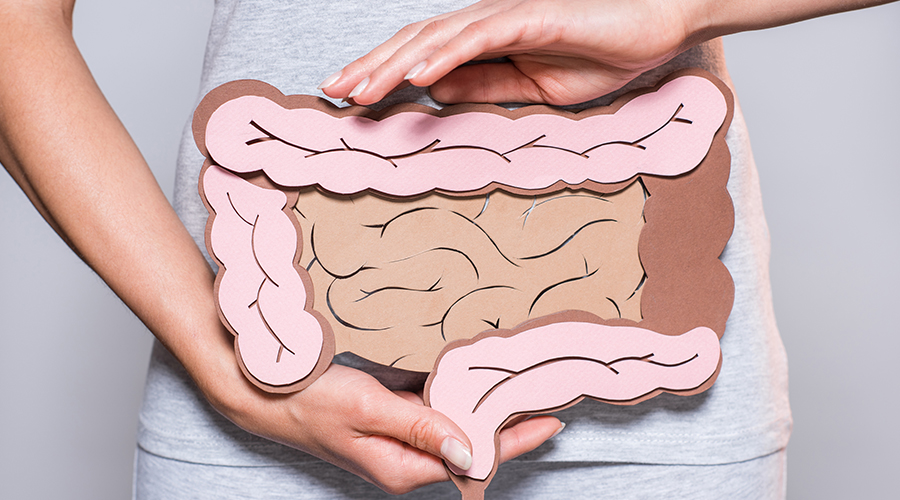
                    High-protein diets are commonly used for fat loss, muscle building, and increased satiety. However, there is a very important nutrient that is often forgotten in the process, which is fibre. While protein is used for building and metabolism, fibre is used for digestion, gut health, and overall health. Without enough fibre, a well-designed high-protein diet will not feel complete, and digestive problems will occur. Lets discuss the importance of fibre in healthy life.

                    Importance of Fibre

                    Fibre is a carbohydrate that is not digested by the body and not used for energy, but rather it goes through the digestive system, providing several functions.

                    When you increase your protein intake, especially from sources like meat, eggs, or protein powders, you will also inadvertently lower your fibre intake, especially if you don’t consume enough plant-based foods. This will slow your digestive process.

                    Using Fibre for:

                    • Regulating bowel movements and preventing constipation
                    • Maintaining a healthy digestive system
                    • Supporting gut bacteria (very important for your overall health, including your metabolism and immune system)
                    • Assisting your body in nutrient utilisation

                      In simple words, protein is used for building, and fibre is used for maintaining a smooth system.

                      Advantages of Eating Fibre

                      Consuming sufficient amounts of fibre in your daily meals can be advantageous in the following ways, especially in combination with a high-protein, rich-diet:

                      1. Improved Digestive Health: Fibres increase the bulk of your stool, making passing stool easy without causing digestive problems.

                      2. Promoting a Healthy Gut: Some types of fibre are known as prebiotics which helps in promoting a healthy gut by feeding the good bacteria in your digestive system.

                      3. Increased Satiety: Fibres help in slowing down the digestive process, making you feel fuller for longer.

                      4. Regulated Blood Sugar Levels: Fibres slow down the rate at which sugar is absorbed in your body, thereby regulating your blood sugar levels and ensuring that you are always energised.

                      5. Heart Health: Some types of fibre are soluble, which help in reducing cholesterol levels in your blood, thereby promoting heart health.

                        Dietary Importance of Fibre

                        The daily requirement of fibre in your meals should be:

                        • Women: 25-30 grams/day
                        • Men: 30-38 grams/day

                        However, a majority of people, especially those on a high-protein diet, are not able to consume the daily requirement of fibre in their meals.

                        High-fibre foods to include:

                        • Fruits: Apples, bananas, berries, and pears
                        • Vegetables: Broccoli, spinach, carrots, and peas
                        • Whole grains: Oats, brown rice, and quinoa
                        • Legumes: Lentils, chickpeas, and beans
                        • Nuts and seeds: Chia seeds, flaxseeds, and almonds

                          In case your diet comprises a lot of animal based products for their high protein content, then these foods need to be in your meal.

                          Fibre Nutritional Benefits

                          Fibre Nutritional Benefits

                          Fibres not only aid in digestion but also improve how the body uses the nutrients obtained from the food consumed.

                          • Improves nutrient absorption by keeping the digestive system healthy
                          • Supports weight management by controlling calorie consumption
                          • Promotes detoxification by helping in efficient waste removal
                          • Reduces inflammation by keeping the digestive system healthy
                          • Regulates hormones, especially for women

                            Incorporating fibre with protein results in a more balanced and sustainable nutrition plan.

                            Read Also: Your Complete Guide to a Plant Based Protein Diet

                            Takeaway

                            A high protein diet will definitely get you to your fitness goals sooner than later, but without fibre in your diet, you may be subject to health complications. This is due to the fact that fibre ensures efficient digestion.

                            The solution to this problem is simple: A high-protein diet with fiber for example, oats protein and fit foods, ensures a diet that is not only effective but also sustainable and healthy.

                            How MuscleBlaze Tests Protein: From Raw Material to Finished Tub

                            Quality protein is not something that occurs by accident; it is the result of a quality testing process that starts from the raw materials to the finished tub being ready for market distribution. For us at MuscleBlaze, there are 262 quality parameters that are tested at different stages of the manufacturing process to guarantee quality, safety, and nutritional correctness of the protein powder. Here is a simplified overview of how the testing process works.

                            MuscleBlaze Protein Testing Process

                            Unlike other protein powders that are tested at the end of the manufacturing process, our testing process for protein occurs at multiple stages of the manufacturing process.

                            The testing process for protein powder occurs at four different stages:

                            • Raw material qualification
                            • Pre-production testing
                            • In-process testing during manufacturing
                            • Final testing

                              MuscleBlaze Quality Assurance

                              Quality assurance begins with the qualification and verification of the suppliers and the quality of the ingredients. This includes the verification of all the ingredients used in the product, such as whey protein, cocoa, and flavourings. We also adhere to all the existing food safety protocols, such as HACCP, VACCP, and TACCP, to ensure the safety of the product and to avoid any kind of ingredient fraud. This ensures the quality and reliability of the product.

                              MuscleBlaze Protein Testing Steps Explained

                              1. Raw Material Testing

                              In this phase, all the ingredients used in the product are tested. This includes:

                              • Nutritional content (proteins, fats, carbohydrates)
                              • Chemical tests
                              • Heavy metals
                              • Physical tests, such as appearance and size
                              • Packaging materials also undergo testing to ensure their strength, leakage, and safety.

                                2. Pre-Production Checks

                                Before the actual production process begins, the product formula and conditions are checked. This includes:

                                • Sensory testing of whey protein (taste and smell testing)
                                • Water testing is done in this phase
                                • Implementation of food safety protocols

                                  This is done to ensure a standard is set before the actual production begins.

                                  3. Testing During Production

                                  In this phase, the product is regularly monitored. The parameters checked by the technicians include:

                                  • Moisture content
                                  • pH levels
                                  • Blend consistency

                                    Strict segregation practice is implemented to make sure that only quality products are used in the production process to maintain the quality and purity of the product.

                                    4. Final Product Testing

                                    After the production process is complete, the final products are tested in the laboratory to ensure their quality and purity. This testing includes:

                                    • Protein content and nutritional values
                                    • Presence of heavy metals and contaminants
                                    • Microbial safety – presence of E. coli and Salmonella
                                    • Pesticide residues

                                      In addition to this, the products also undergo tests to ensure their mixability and stability to ensure that they retain their efficacy over their lifespan.

                                      MuscleBlaze Lab Testing Standards

                                      MuscleBlaze Lab Testing Standards

                                      We at MuscleBlaze use internal testing standards in combination with third-party testing to ensure the accuracy of its testing. This way, any potential error in the testing process is minimised. During the sourcing process, manufacturing process, and final testing process, 262 parameters are tested to ensure the quality of the products.

                                      Read Also: Why Cheap Supplements Are Expensive in the Long Run

                                      Takeaway

                                      The protein testing is important to make sure what reaches you is safe and useful for you, for which we take utmost care and effort. What comes to you is a result of many tests and trials of formulation, which can help you in your fitness journey. Whether a supplements, oats protein or Fit Foods MuscleBlaze is dedicated to ensuring that only the best quality reaches you!