Generic selectors
Exact matches only
Search in title
Search in content
Post Type Selectors

Level up your fitness journey with MuscleBlaze

MUSCLEBLAZE

Training Volume Is High. Output Is Low. Here’s Why

Hello Ziddis! Have you started working on your “New Year, New Me” agendas? Have you started working out already? Or churning in more sets and reps? But here is something that you might not be considering. You will eventually reach strength stalls, conditioning plateaus and motivational dips. When training volumes keep going up, but the results don’t, the problem isn’t effort but misalignment. You have broken the glass ceiling with your technique and volume, but to go beyond it, you will need to adapt better.

Training Volume vs Results

Training volume = Total sets X Reps X Load.

This is a simple formula for progress until you reach a plateau.

When you have just started, increasing volume produces visible gains because:

  • The nervous system adapts quickly
  • Muscle responds strongly to new stress
  • Recovery resources exceed training demand

    Once the volume rises faster than your ability to recover, fuel and progress, results decouple from effort. You are doing more work but producing fewer adaptations.

    The formula to follow in this case is Efforts = Recoverable volume.

    High Volume Training Problems

    High volume becomes a problem when it creates chronic fatigue instead of productive stress. Common issues include:

    • Fatigue accumulates faster than adaptation- Muscle damage heals relatively quickly. Nervous system fatigue does not. High volumes tax your CNS output, hormonal balance, joint and connective tissue tolerance.
    • Quality drops before you notice it. Extra volume often means slower bar speed, reduced intent and sloppier technique. You are completing sets but not stimulating the adaptations that matter.
    • Recovery debt builds quietly. Sleep, digestion and stress management don’t scale automatically with volume. When recovery lags, inflammation stays elevated, motor learning slows, strength declines, and you end up training on a deficit.

      Why Workouts Stop Working

      Workout doesn’t stop working because your body gets used to it; it stops working because the signal-to-fatigue ratio is faulty. This happens because:

      • Too many sets without stimuli
      • Poor progression through added volume without reps or skill improvement.
      • Insufficient recovery windows because of no deload or variation in intensity.
      • Fatigue is dominating your body
      • Your body is no longer in adaptation mode but now in survival mode.
      • Performance output becomes defensive, not progressive

        Workout Efficiency

        Workout efficiency is the amount of adaptation you get per unit of fatigue.

        High-efficiency training looks like:

        • Fewer, high-quality working sets
        • Clear intent with speed, control, load and focus
        • Strategic intensity variation across the week

          Low-efficiency training looks like:

          • Endless volume with flat performance
          • Constant soreness without strength gains
          • Needing more warm-up to feel “normal”

            More is not better. Mindfulness is.

            Fitness Output vs Input

            Fitness Output vs Input

            Think of fitness training as a transaction; there is an input, and depending on that, an output.

            • Input is volume, intensity, time and effort
            • Output is strength, endurance, skill, and physique

            Reaching a plateau and trying to create a graph is like raising the input, but the output stays flat. This means you need to restore balance. Here’s how:

            Reduce volume before reducing intensity

            • Improve fueling
            • Strategise your recovery
            • Track your performance

              Read Also: Strength Training vs. Cardio: What’s the Best Ratio for Fat Loss?

              Takeaway

              If training volume is high but results are low, the issue will not be resolved by simply pushing harder; it will be sorted out by training smarter. Recovery and nutrition will help you, and for more, hop on to try gym supplements like creatine. Remember, tracking your progress will help you spot the gap, and investigating your trend will help you bridge that gap.

              The Difference Between Feeling Worked and Getting Stronger

              Hello Ziddis! In 2026, many of us are choosing our health and fitness. One important lesson we should all carry into this year is that quality need not be painful. Most people believe that if you feel sore and exhausted after the workout, you have had a good workout. “I can barely walk” or “I slept as soon as I got home” is not the feeling you are chasing because feeling worked and getting strong are different things. While fatigue is immediate, strength is adaptive. Understanding the difference can make a lot of things easier.

              Feeling Worked vs Getting Stronger

              Feeling worked is about stress and strain on your body, whereas getting stronger is about adapting your body. A workout can leave you feeling sore, sweaty and exhausted without getting you closer to the strength you are chasing. This fatigue comes from:

              • Long hours of workout
              • DOMS from stress
              • Excessive volume
              • Shorter periods of rest
              • Compromised recovery
              • Constant high-intensity workout

                Strength is when your body adapts to a specific, repetitive demand over time. Early in training, soreness and progress go hand in hand, but as your body and nervous system adapt to your training regimen, soreness becomes an indicator that you are not advancing.

                Training Effectiveness

                Effective training isn’t about how much discomfort you have to endure; it is about how well the stimulus matches the adaptation. Strength training works through 2 main mechanisms:

                • Motor learning, aka neural adaptation- This is where the brain learns to recruit muscle fibres to perform coordinated movements and reduces loss of energy
                • Progressive overload- This is the phase of gradually increasing load, reps or control over time and forcing the body to adapt.

                  These two mechanisms do not require you to be exhausted after each session to feel the progress. In fact, excessive fatigue can make your training less effective by:

                  • Lowering movement quality
                  • Blunting nervous system output
                  • Increasing risk of injury
                  • Reducing your body’s capacity to recover faster

                    Strength Progress

                    True strength progress is visible when you chase performance, not just sensations. Here are some signs that you might actually be getting stronger:

                    • You are lifting more weight with the same form
                    • You are performing more reps at a given load
                    • You can handle the same weights with more control and stability
                    • Your body does not require long resting periods
                    • You recover faster

                      But watch out for some signs that can be mistaken for progress:

                      • Muscle soreness
                      • Breathlessness
                      • Too much sweating
                      • Feeling physically incapable of running errands the next day

                        Soreness occurs when your body is unfamiliar with a movement, not when it has become accustomed to it. If your numbers aren’t moving but your fatigue is high, your training stress is exceeding your recovery capacity.

                        Workout Quality

                        Workout Quality

                        The quality of your workout is not any better if you feel punished after your session. Workout quality comes from:

                        • Technical precision
                        • Appropriate intensity
                        • Sufficient rest
                        • Planned progression
                        • Enough time to recover

                          Strength is built during the recovery period between workouts.

                          Results vs Effort Fitness

                          Efforts feel productive, and results are the absolute measure of it. The fitness industry often rewards visible struggle because it is emotionally and aesthetically satisfying. But long-term progress can take more time:

                          • Consistency over intensity
                          • Patience over punishment
                          • Submaximal work well done
                          • Rest and recovery prioritised
                          • Replace fast food with fit foods
                          • Protein to support your muscles, like oats protein

                            Read Also: Strength Training vs. Cardio: What’s the Best Ratio for Fat Loss?

                            Takeaway

                            Feeling worked is a short-term sensation. Getting stronger is a long-term process. Soreness, sweat and exhaustion are not proof of progress. Train to adapt, not to suffer.

                            The Unintended Consequences of Widespread Ozempic Use

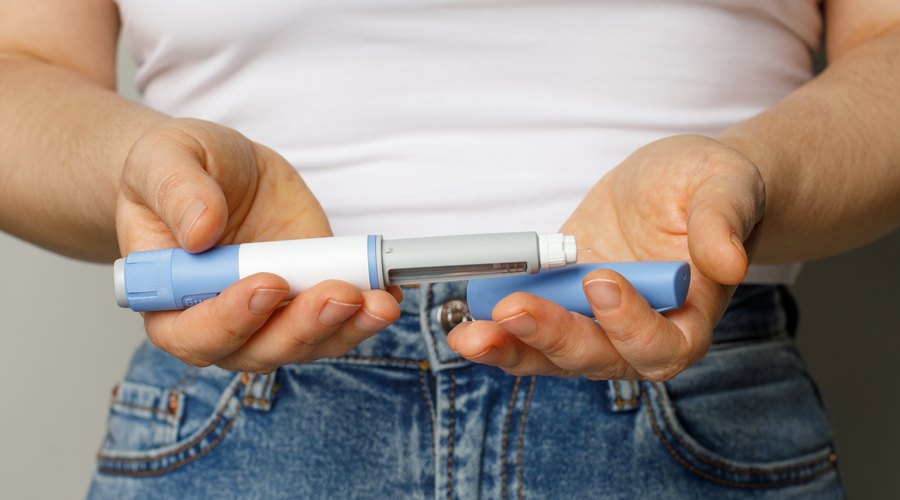
                            Hello Ziddis! Turns out that the fad for the year 2025 is Ozempic! Ozempic gained a lot of coverage because of its marketing for weight loss. But did it stand by its promise? Mostly! Did it have any drawbacks? Naturally! Let us understand the verdict on the unintended consequences of using Ozempics.

                            Ozempic for Weight Loss: Why It Became a Trend

                            Created as a treatment for type 2 diabetes, Ozempic gained popularity for its strong appetite-reducing effects, resulting in weight loss. Most often, the reason for quick weight loss after using Ozempics is:

                            • Hunger reduces
                            • Cravings drop
                            • Calorie intake falls without much effort.

                              But this fast weight loss is not always healthy weight loss and is never sustainable. This is where the unintended consequences began.

                              Ozempic Uses: What It Was Actually Designed For

                              Ozempic was initially meant to:

                              • Improve blood sugar levels
                              • Reduce the risk of cardiovascular diseases caused by diabetes
                              • Help the pancreas release insulin more effectively.
                              • Help with insulin resistance

                                Using it purely for cosmetic weight loss was an off-label branding and skipped major medical concerns.

                                Ozempic Use: What Happens in Your Body Long-Term

                                Once the initial excitement subsided, physiological concerns took over. Long-term use was harmful. It led to:

                                • Slowed metabolism: The calorie intake dropped drastically, and the body started conserving energy, causing lower BMR, less calorie burn at rest, and unsustainable weight loss.
                                • Changes in your digestive system: GLP-1 drugs slow down the process of digestion and can cause chronic nausea, bloating, constipation and reduced nutrient absorption
                                • Disruption of hormones: When hunger hormones stay suppressed for months, your body might end up forgetting its natural appetite regulation. This can create unruly hunger patterns when Ozempic is stopped.

                                Ozempic Muscle Loss: The Silent Side Effect

                                  Ozempic Muscle Loss: The Silent Side Effect

                                  This is the biggest concern every seems to be disregarding. When the weight drops too fast, and the protein intake is low, your body burns muscle, not just fat. Research shows 40% of weight loss caused by the GLP-1 drugs is actually muscle mass. This needs to be addressed because:

                                  • Lower muscle mass means slower metabolism
                                  • Higher risk of weight regain
                                  • Reduced strength and mobility
                                  • Long-term fatigue and weakness.

                                    If someone used Ozempic without a habit of strength training and high protein intake, they often end up losing weight but also their strength.

                                    Ozempic: How to Use Safely

                                    This is not medical advice; it is a general rule that people follow, and doctors recommend.

                                    • Eat enough protein. Aim for 1.2 to 1.6 g per kg of your body weight daily if you want to prevent excessive muscle breakdown.
                                    • Do weight lifting twice or thrice a week because muscle loss is a built-in risk with appetite-suppressing drugs. Strength training is a non-negotiable in these cases.
                                    • Take it slow. It is recommended to go with a gradual dose and increase it slowly to avoid any side effects.
                                    • Do not skip nutrient-rich foods even if you are not hungry; your body still needs them. Iron, B12, Calcium, Omega-3, and fibre are very important.

                                      Please consult a physician before making any changes to your routine

                                      Read Also: What actually is Ozempic, and why is it getting so much attention?

                                      Takeaway

                                      Ozempic is a powerful weight loss tool, but it comes with a cost. While it can transform your body, it can also affect your metabolism, digestion, hormones and muscle mass. It works best when paired with strength training, protein-rich meals, medical supervision, and a long-term nutrition plan. If you feel a gap in your nutrition, consider getting your vitamin levels checked. Often, Omega 3 capsules and vitamin supplements can help make up for it.

                                      Why Strength Plateaus Happen Faster Than Fat Loss

                                      Hello Ziddis! People often get confused as to why they see better results at the beginning of the workout, and eventually, it seems to slow down, and they reach a plateau stage. This isn’t a motivation issue or fault of your workout program. This is how your body adapts. Be it strength or fat loss, both are driven by different biological systems, but they follow the same pattern of plateauing.

                                      Strength Plateaus

                                      Early strength gains are deceptively fast. In the first 4 to 8 weeks of training, you can start noticing improvements from neural adaptations. Mind you, these are not really muscle growth spurts. These include:

                                      • Better motor unit recruitment
                                      • Improved coordination between muscles
                                      • Faster firing rates of motor neurons
                                      • Learning the skill of lifting weights

                                        Fat Loss vs Strength Gains

                                        Fat loss is a result of metabolic and hormonal processes, not a skill, while strength gains are a result of exercising the skill of lifting. There are a few key differences between the two, such as:

                                        Strength GainFat Loss
                                        Depends heavily on your central nervous systemDepends mainly on the energy balance over time
                                        Neural adaptations adapt fast, which leads to a quicker plateau in strength gainsMetabolic adaptations change slowly, leading to more time to lose fat before reaching a plateau

                                        As long as a calorie deficit exists, even if it is a small one, the fat loss journey can continue, but it is not the same in the case of strength gains. This is why you might feel stuck in the gym while your body composition is actually improving.

                                        Fitness Plateaus

                                        Not all kinds of fitness plateaus are the same.

                                        Strength plateaus often occur due to:

                                        • CNS experiencing fatigue
                                        • Recovery is not enough for the training intensity
                                        • Technique improvements are maxed out.
                                        • The nervous system downplays your efforts as a protective mechanism because of a lack of recovery

                                          On the other hand, fat loss plateaus happen because:

                                          • Your metabolism slows down
                                          • Hormonal adaptation is compromised
                                          • Lack of energy leading to more fat storage

                                            This is why strength gains stall sooner than fat loss.

                                            Why Strength Gains Stall

                                            The biggest reasons for strength plateaus are usually ignored because they are intrinsic

                                            • CNS fatigue
                                            • Skill plateaus
                                            • Insufficient recovery

                                              Ironically, the harder you train often you can deepen the plateau.

                                              Progress in Fitness

                                              Progress in Fitness

                                              Fitness progress is not always linear. The reels barely tell you the full story. Many layers of progress are:

                                              • Strength progresses in bursts and then stalls
                                              • Fat loss progresses slowly but steadily
                                              • The nervous system adapts fast but recovers slowly
                                              • Metabolism adapts slowly but stays flexible for longer.

                                                Some of the common mistakes one makes in their fitness journey, which can derail it, are:

                                                • Adding more volume
                                                • Training heavier while fatigued
                                                • Cutting calories further while expecting strength gains

                                                  Read Also: Breaking Through Plateaus: Top Tips to Reinvigorate Your Fitness Journey

                                                  Takeaway

                                                  Strength plateaus happen faster than fat loss plateaus. But fat loss need not reach a plateau; you can add some fat burners and L Carnitine to fuel your fat loss progress. Remember that your body knows better than people on Instagram, so honour its needs. When strength gains stall, the solution is not to work harder but to recover better.

                                                  Third-Party Testing: Informed Choice vs Labdoor vs Trustified (Which Actually Matters?)

                                                  Hello Ziddis! As we walk doing the supplement aisle, we see promises on every stand. All the supplements are stamped with “third-party tested” validations. But that phrase alone does not mean much unless you know who is running these tests, what exactly these tests are, and what they actually conclude. Let us understand more about these tests.

                                                  Trustified Testing: Consumer-First  Transparency 

                                                  Trustified is a new-age modern certification system that answers one simple question: Can you truly trust what you’re consuming? Is it clean, safe, and honestly represented?

                                                  When any supplement is Trustified certified, it indicates that:

                                                  • All the ingredients mentioned in the product label are verified in an accurate manner, independently.
                                                  • A test has been run on the product for harmful contaminants like unhealthy additives, microbes, heavy metals.
                                                  • A thorough review has been conducted on the manufacturing process to keep hygiene and safety standards in check.
                                                  • You can publicly access test reports to assess the results yourself. 

                                                    Instead of depending only on certifications, Trustified provided clear third party reports to avoid bias, so that consumers can make an informed choice. Like most certifications, it doesn’t guarantee the effectiveness of the supplement for each individual. But it validates that the product meets the topmost authenticity standards.

                                                    Trustified Testing: Consumer-First  Transparency 

                                                    Labdoor Testing: Radical Transparency

                                                    Labdoor testing takes a different approach from traditional certification and testing. Instead of the brands submitting their products for approval, Labdoor buys the supplements from the store and tests them in independent labs. They then publish the full results online.

                                                    Labdoor testing focuses on

                                                    • Ingredient accuracy
                                                    • Dosage and label claims
                                                    • Checking on contaminants such as heavy metals
                                                    • Product purity and quality
                                                    • Ranking products within categories.

                                                      The great part is that it is not just a seal, it is actual data and a score. For consumers who want to compare brands side-by-side and see hard numbers before buying, this is a great option, but Labdoor certifications are not universally recognised.

                                                      Informed Choice Supplement Testing: Athlete-Focused Safety

                                                      Informed Choice Supplement Testing: Athlete-Focused Safety

                                                      Informed choice to make in supplement testing is designed with a primary goal of checking for the risk of banned substances. Majorly, these tests focus on:

                                                      • Screening for hundreds of prohibited compounds
                                                      • ISO-accredited laboratory testing
                                                      • Periodic blind sampling from retail shelves
                                                      • Manufacturing process checks

                                                        Read Also: THE DESTROYER OF PROTEIN WORLDS IS HERE

                                                        Final Takeaway

                                                        Just the tag of “Third-party tested” holds no importance if you do not have the context for it. What matters is who tested it, how often it is tested, and what they are looking for. We hope this blog gave you some insight. Pair your curiosity about knowing what works for your body best with consistent habits, quality nutrition, and practical investments in health, like fitness accessories like shakers, joggers, duffle bags, and you’re covering both safety and simplicity in your routine.

                                                        The Real Bottleneck in Muscle Growth Nobody Programs For

                                                        Hello Ziddis! Are you one of those who believe muscle growth gets stunted because their workout plan is not intense enough? So you need to read this one. It is not always that you need to lift more or spend more time in the gym. You might not be ready to know the truth. Muscle growth rarely stalls because of poor training. It stalls because your recovery isn’t happening properly. Training is the stimulus. Growth is what happens between the sessions-not during them. When your recovery isn’t powered through, even the best training plans fail. Let us understand what is really holding muscle growth back and more about muscle growth nutrition.

                                                        Muscle Growth Nutrition

                                                        Muscle tissues don’t just rebuild themselves. They need proper nutrition, energy, amino acids, micros and macros as well as a proper digestion to convert them into currency you can use to train and build muscle. Even if you hit your protein goals, you can end up with stunted muscle growth because of several reasons, like:

                                                        • Calories are too low to support repair
                                                        • Digestion is impaired due to stress or poor gut health.
                                                        • Nutrients are not consumed on time to align with your recovery needs.
                                                        • Inefficient digestion
                                                        • Over-training and under-eating

                                                          Muscle growth nutrition is not just about macros on paper; it is about how they get absorbed, hormonal signalling and metabolism.

                                                          Muscle Growth Mistakes

                                                          One of the biggest mistakes you can make while building muscles is assuming that more efforts lead to more progress. The truth is:

                                                          • Training hard but not resting well can lead to injuries and stunted growth
                                                          • Ignoring mental stress can lead to bad performance
                                                          • Treating soreness as proof of effectiveness can cause more injuries
                                                          • Chasing fatigue instead of adapting is a wrong practice.
                                                          • When your recovery mechanism is overloaded, the nervous system tries to protect it by deprioritising growth.

                                                            Rest Days for Muscle Growth

                                                            Rest days are not optional. This is where the real muscle growth happens. During rest:

                                                            • Your muscles synthesise protein
                                                            • Connective tissues repair themselves
                                                            • Nervous system excitability resets
                                                            • Hormonal balance stabilises

                                                              Skipping rest days does not mean you can train more. It means you are compromising on your progress. This creates a backlog in your recovery, which your body can not clear. Instead of skipping rest days, strategies them.

                                                              Adaptive Recovery Training

                                                              Not all weeks should look the same in terms of progress. Adaptive recovery training means:

                                                              • Adjusting volume based on stress, not just physical, but mental as well
                                                              • Deloading before the breakdown happens
                                                              • Rotating intensity instead of maxing constantly
                                                              • Following the training trends, not your body’s needs.
                                                              • Rotating intensity instead of maxing constantly
                                                              • Respect your recovery as it fluctuates with sleep, work stress, emotional load and digestion.
                                                              • Let training respond to the needs of your body

                                                                Progressive Overload Mistakes

                                                                Progressive overload is often misunderstood as adding weight at all costs. Here is what true progressive overload requires:

                                                                • The ability to recover from added stress
                                                                • Stable technique
                                                                • Readiness from the nervous system
                                                                • Adequate fuel and rest to support the added stress

                                                                  The most common mistake committed during progressive overload is forcing it without adequate recovery, and then expecting to see results in terms of muscle growth. Overload only works when the recovery is consistent and at the same pace as the overload.

                                                                  Consistency in Fitness

                                                                  Consistency is more important than fitness training. Real consistency is:

                                                                  • Showing up recovered enough to perform well
                                                                  • Training at an intensity you can repeat week after week
                                                                  • Maintaining habits that support recovery, especially outside the gym.
                                                                  • Recovery is what makes consistency possible.

                                                                    Fitness Myths Debunked

                                                                    Fitness Myths Debunked

                                                                    MythReality
                                                                    More workouts = More growthMore recovery = more growth
                                                                    Soreness means muscle buildingSoreness is your body’s ask for recovery
                                                                    Pushing through fatigue builds disciplineChronic fatigue leads to degrowth
                                                                    Recovery is a passive process and often optionalRecovery is an active physiological process that requires discipline.
                                                                    Only working out is enough to build musclesRecovery, nutrition via fit foods, supplements and multivitamins and working out are all equally important to build muscle

                                                                    Read Also: Fitness Myths That Are Holding You Back

                                                                    Takeaway

                                                                    Only training does not build muscles; recovery does. The simple answer to what causes the real bottleneck in muscle building is the lack of consistency in recovery, not your fitness program. If your muscle growth feels stunted, go and get some rest. You need it.