Generic selectors
Exact matches only
Search in title
Search in content
Post Type Selectors

Level up your fitness journey with MuscleBlaze

MUSCLEBLAZE

Hybrid Athletes: Why People Are Lifting and Running Together Now

Hello Ziddis! The hybrid athletes movement was booming big time in 2025! Have you heard of it? If not, we are here to tell you what the air is about and if this is something you would be up for!

Nowadays, people don’t just want to look fit, they want to be strong, fast, capable, fit and healthy! Mixing strength training with endurance work creates a level of fitness that’s powerful, functional and sustainable.

Hybrid Athletes

A hybrid athlete is someone who trains not just for strength but also endurance at the same time. This means lifting heavy weights and running, cycling or doing conditioning work. Why it is trending now:

  • It builds a more complete, versatile body
  • It improved heart health and muscle strength
  • It prevents reaching plateaus because the training stimulus changes constantly.
  • It depicts daily chores like climbing stairs or lifting groceries and helps you do those activities without straining yourself.

    Hybrid athletes aim to be well-rounded in their health approach. They end up strong, fast, flexible, mobile and adaptable.

    Hybrid Athlete Nutrition

    To support the demands of a dual style workout, one needs to have nutrition that doesn’t just support muscle building but a holistic, strategic and performance-focused meal.

    • High protein meal: It is important for muscle repair, strength gains and recovery. Around 1.6 to 2.2 grams per kg of your body weight is good.
    • Carbohydrates for fuel: Running and strength training burn glycogen faster and help the carbs to power your workout. Whole grains, fruits, potatoes, oats, and rice are staples
    • Healthy fats for hormones: Avocado, nuts, seeds, olive oil, help maintain energy and reduce inflammation.
    • Pre-workout fuel: You need a small carb source, such as bananas, dates, or even toast, to boost endurance and strength performance.
    • Post-workout meals: This is an important meal for recovery and reducing post-workout fatigue. You can follow a simple formula: Protein + carbs within 2 hours of working out to replenish glycogen and repair muscle.
    • Hydration and electrolytes: Hybrid athletes sweat more due to higher training volume.

      Hybrid Athlete Recovery

      Because training loads are higher, recovery becomes a critical part of the routine.

      • Sleep for 7 to 9 hours, which is where the real gains happen
      • Mobility work for 10 to 15 minutes daily to prevent tightness from heavy lifting and running
      • Active recovery via light walking, stretching or yoga helps reduce fatigue.
      • Rest days are important too, so remember to at least give 1 full day of rest to yourself every week to avoid burnout
      • Cold or heat therapy for soreness
      • Proper nutrition is the star of your plan.
        Hybrid Athlete Training Program

        Hybrid Athletes Training Program

        A simple weekly structure that balances both qualities:

        • Day 1- Lower body strength training and an easy run
        • Day 2- Upper body strength training
        • Day 3- Speed or interval run
        • Day 4- Full body strength training and a short run
        • Day 5- Long run for 40 to 70 minutes
        • Day 6- Yoga
        • Day 7: Rest

        This structure develops strength, power, endurance, speed, and overall athleticism without burning out.

        Read Also: Desk Athletes: The New Fitness Routine to Do From Your Desk

        Takeaway

        Becoming a hybrid athlete is a great option for you if your goal is to get healthy and fit. Such training can help your body do everything it needs to function optimally. With good nutrition, proper rest and recovery, effective workout techniques, and trusted gym supplements like creatine, you can start 2026 on a healthier note.

        Soft Girl Fitness: The Rise of Gentle, Aesthetic Workouts

        Hello to our Ziddi Soft girls, you must have come across the soft girl workout trend on social media. It is making rounds on every feed that is even remotely interested in fitness. Pilates mat set in perfect sunlight, slow stretches, cosy corners, calm music, soothing fragrance and pastel aesthetics; these are your cues for soft girl fitness. But why are so many women hopping on a trend that is opposite to our hustle ideology? Let us understand!

        Soft Girl Fitness

        The soft girl fitness trend is redefining self-care and workouts for women. It is proven that a workout should not feel like punishment and pain for gains. It can also be achieved through gentler methods. But don’t mistake it for laziness — it is intentional. Think of pilates, yoga, mobility flows and slow walking. At its core, soft girl fitness rejects hustle culture in workouts. It instead chases calm by focusing on:

        • Graceful movement
        • Feminine needs
        • Mind-body connections
        • Sustainable routines
        • Feeling safe and supported in the body.

          It’s especially popular among women who are burnt out, healing hormonal imbalances, or simply tired of aggressive fitness messaging.

          Soft Girl Workouts

          Soft girl workouts are usually low-impact but not always low-effort. They gently challenge muscles and keep cortisol, aka the stress hormone, in check. All you need to do is

          • Pilates on a mat or reformer
          • Barre toning
          • Slow yoga movements
          • Mobility and stretching sessions
          • Light strength training with controlled reps
          • Dance-based movements like Zumba
          • Intuitive movements.

          Cosy Cardio Workouts

            Cosy Cardio Workouts

            One of the most loved parts of this trend is how clean and cosy it feels and looks. Cosy cardio workout has rebranded the fitness culture to sweat without sweating over it. Some examples of cosy cardio are:

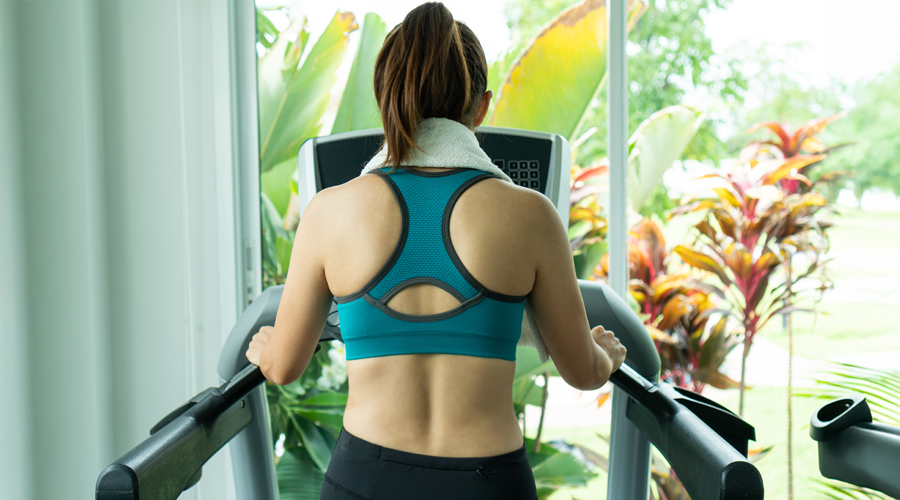
            • Walking on a treadmill while watching a comfort show
            • Stepper workouts with candles and dim lighting
            • Desk treadmill
            • Zumba
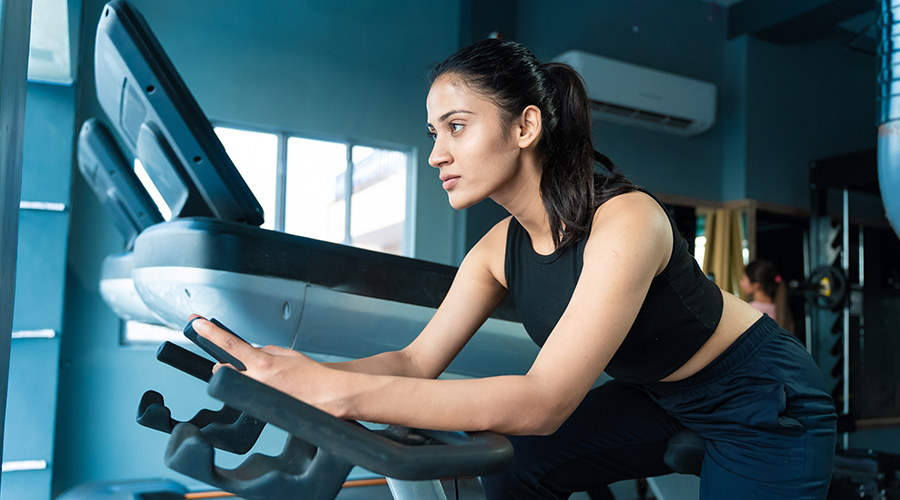
            • Cycling
            • Swimming

              Soft Girl Workout Benefits

              It may feel like just a sight for the eyes, but its gentle and nurturing nature makes soft girl fitness one of the most powerful, with tonnes of benefits such as:

              • Improved muscle tone through slow and controlled movements
              • Better posture and core strength through pilates
              • Reduced anxiety and stress
              • Training based on your hormonal phase
              • More enjoyable workouts rather than forced exercises

                Read Also: Hormonal Health for Women: Tips to Balance Naturally

                Takeaway

                Soft girl fitness is not just about avoiding effort but also about choosing kindness and not forcing yourself to work out. Putting your body through stress is not the best motivation. With gentle movements, the exercises can be transformative. A soft girl’s fitness is incomplete without a breakfast of fit foods and oats protein. Bring it on!

                Energy Hacks: How Sunlight, Sleep Cycles & Circadian Rhythms Affect Fitness

                Hello Ziddis! If you feel lethargic all day, tired and annoyed, overstimulated, inconsistent with your energy and painfully sluggish at times, it is not just about motivation or what you are eating. It could be a circle of bad timing! Didn’t understand? Let us explain. Your body runs on an internal 24-hour clock. This clock likes to control and regulate your energy levels, hunger, performance, recovery and even metabolism. So what happens when you do not provide its timely needs? “Sunlight before screen light” is a trend gone viral to make people realise that they need to start respecting their body’s clock. Light exposure is a strong signal to your body’s clock. Let us understand your body’s cues and how you can help yourself get fitter by giving the right cues to your body.

                Circadian Rhythm and Fitness

                The circadian rhythm is your body’s clock to regulate the release of hormones, body temperature, alertness, digestion and muscle coordination throughout the day. From a fitness perspective, this rhythm determines:

                • When you feel energetic without an external stimulus
                • When your muscles generate maximum force
                • When your fat oxidation peaks
                • When recovery and tissue repair are most efficient.

                  Research published in Chronobiology International shows that strength, flexibility and endurance are usually at peak from late afternoon till early evening. This is also when the core body temperature is increased and neuromuscular coordination peaks.

                  While working out is great, it is not advised to work out against your natural circadian rhythm. For example, working out late at night, compromising on sleep, or having more screen time can reduce the benefits of your workout.

                  Sunlight Energy Benefits for Exercise

                  Sunlight Energy Benefits for Exercise

                  Sunlight is the most powerful cue to your body and its circadian rhythm. Morning light exposure sends a clear message to your brain that the day has begun, and the tasks are lined up for the body to do. Here is how this helps your body:

                  • Improves your energy and alertness by suppressing melatonin, aka the sleep hormone.
                  • Studies show that morning light exposure can improve hormone regulation and reduce insulin sensitivity.
                  • In 2021, a study published in Sleep Health spoke about how people, when exposed to early daylight, experience better sleep later in the night.
                  • Sunlight helps to enrich our bodies with Vitamin D. Sunlight exposure does just that, but it is beneficial to absorb the sunlight only early in the morning.

                    Sleep Cycle Hacks for Energy and Workouts

                    Getting good sleep is not just about how long you have slept but about how deeply you have slept. Here are a few sleep cycle hacks for a consistent flow of energy during workouts

                    • Going to bed and waking up at a consistent time can help you go into REM and deep sleep easily. This can also improve your performance and reaction time.
                    • Keep high-intensity or strength training for morning or late afternoon
                    • Yoga and walking are evening-friendly workouts to feel more relaxed before bedtime.
                    • Dim lights after 8 pm
                    • Avoid screens about 1 hour before bed
                    • Use warm lighting at night.
                    • Heavy meals, especially later at night, can disrupt the sleep cycle, so have a light dinner.

                      Circadian Rhythm Hacks for Athletes

                      Athletes and fitness enthusiasts can improve performance by syncing training with their biological clock by:

                      • Training at the same time daily
                      • Having a morning sun exposure workout, like a simple 10-minute walk outdoors.
                      • Using bright lights in the morning, but dim and warm lights in the evening
                      • For those with rotating shifts, you can figure out the best exercises to do in the evening and morning and stick to them.
                      • Fixed meal time can help reset the clock better.

                        Read Also: Why Sleep Might Be the Most Underrated Fitness Tool

                        Takeaway

                        Fitness is not just built in the gym. It is also built into every habit you incorporate. Your body’s internal clock keeps giving you cues for your task. Pay attention to those cues. Have multivitamins if you feel there is a need to push your body beyond the meals and fit foods to replace foods that are not aligned with your healthy habits. Fitness is about syncing your body to the tasks it is meant to do at the time, which is right for it.

                        Gut Health Workouts: Yes, Your Fitness Affects Your Gut

                        Hello Ziddis! In the last few years, there has been more research done to understand the correlation between physical fitness and gut health. Surprisingly, almost everything comes down to how our gut feels. For all the good reasons, tons of research are available for people to explore and understand how digestion and exercise are actually two sides of the same coin. Deeply interconnected, through a gut-brain axis and the gut microbiome network, your gut is what dictates what your body feels and goes through because your fitness routine does not just build your muscles and burn calories, it also influences trillions of microbes living in your gut, responsible for digestion, immunity, mood, metabolism and even brain function.

                        Research done about the bidirectional impact of gut and physical fitness shows that regular exercise can improve the diversity and function of gut bacteria, while a healthy gut can support better exercise performance. Let us understand what gut health workouts really means and why it is important.

                        Gut Health Workouts: What They Are

                        Gut health workout is not just a trendy phase but also a concept grounded in science. The idea is simple: certain types of physical activities can create an environment in your gut that promotes beneficial microbes, increases microbial diversity and enhances function.

                        Your gut microbiome is the community of bacteria and other microbes that live in your digestive tract and play an important role in digestion, immune defence, inflammation control and nutrient absorption. Surprisingly, gut microbes also impact your mental health.

                        Here is how exercises can impact:

                        • Moderate exercises regularly help with a broader range of gut bacteria, promoting better metabolism.
                        • Some microbes that thrive with exercise are linked to improved metabolic health and lower rates of obesity.
                        • Changes in gut microbiota can occur from exercise, and this improves immune response and resilience
                        • Your workout matters not just for your muscles but also for your gut.

                          Exercise for Gut Health

                          Science quickly began to set up labs and check what can be done to help gut health via exercise. Here is what you can try:

                          • Walking is an underrated gut healer
                          • Yoga poses like Pawanmuktasana, Malasana, Ardha matsyendrasana, Apanasana and Balasana can significantly help
                          • Strength training to support metabolism
                          • Core and abdominal movements like dead bugs, glute bridges, pelvic tilts, and cat-cow, standing torso twists can support colon movement
                          • Breathing exercises like slow nasal breathing and diaphragmatic breathing can help improve the gut-brain connection and reduce bloating caused by stress and anxiety.

                            Cardio for Gut Health

                            Cardio for Gut Health

                            Aerobic cardio exercises are proven to help gut health. Some exercises, which you can try are:

                            • Brisk walking
                            • Cycling
                            • Swimming
                            • Elliptical

                              Avoid intense cardio if you have IBS.

                              Gut Health for Athletes

                              For athletes, gut health goes beyond the role of digestion; it is a performance edge. Elite athletes often have

                              • Higher microbial diversity
                              • A greater number of bacteria associated with carb and fibre metabolism
                              • Production of metabolites linked to energy utilisation and immune system strengthening.

                                These aspects enhance recovery, nutrient absorption, and immune function, all of which are key to better athletic performance.

                                Athletes rely on various gym supplements to enhance their performance, and one key consideration is whether those supplements are gut-friendly. Creatine is one of them.

                                Read Also: Probiotics and Prebiotics: The Gut-Health Connection

                                Takeaway: Fitness as Foundation for Gut Health

                                Your fitness routine does more than just help your physical appearance. It rewires your internal ecosystem. By exercising, eating the right food, indulging in cardio and paying close attention to your “gut feeling”, you can improve your fitness habits to gut-friendly fitness habits.

                                Wearable Fitness: Training Based on Your Data, Not Guesswork

                                Hello Ziddis! In the time of all things smart, our devices have certainly mastered the art of keeping us comfortable with everything on our fingertips, very literally! Fitness is no different. Today, we have wearables to collect data from our bodies and turn it into insights. From step count to our diet and consumption, wearables are tracking it all. So you can train smarter, recover better and avoid burnout with the help of wearable fitness.

                                Fitness Tracker

                                A fitness tracker monitors daily movements such as heart rate, sleep, stress and even recovery. So instead of guesswork, you can push harder or rest better, and the data will speak for itself. Here is what you can use a fitness tracker for in everyday life:

                                • How well have you slept and recovered?
                                • How are your oxygen levels?
                                • How are your energy, stress and activity levels?

                                  Even something as basic as this information can help shift the mindset from simply doing more to doing exactly what your body needs.

                                  Fitness Tracker Watch

                                  A fitness tracker watch can add more ease. You can track your workout performance on your wrist. Beyond your step count, your smart watch can also analyse:

                                  • Heart rate to judge recovery
                                  • Training load to prevent overtraining
                                  • Workout efficiency and calorie burn

                                    Many watches now even suggest what workout intensity you can endure and how much rest you need. This makes it easy to make smart training decisions that are data-driven.

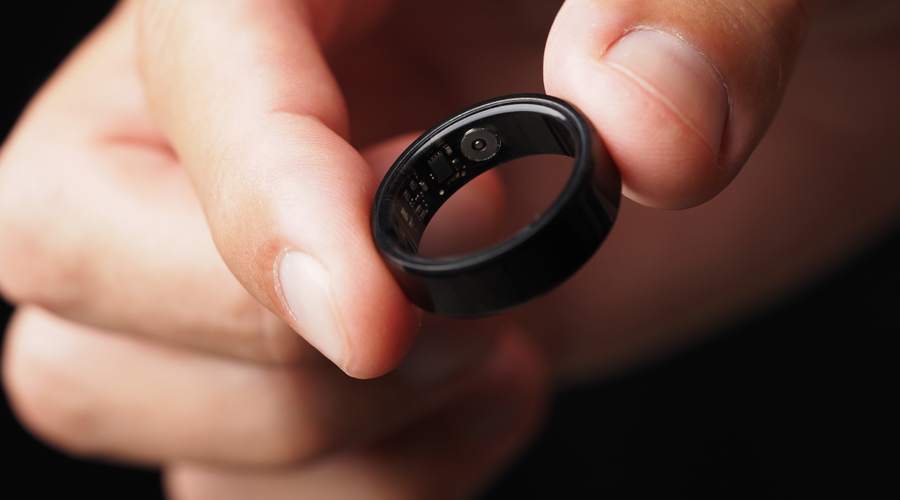
                                    Smart Ring For Women

                                    Smart Ring For Women

                                    Women love rings! What better than one that can suggest to you what your body needs and why it feels the way it does? Because of how lightweight and easy it is to wear every day, it is gaining a lot of popularity among women. Here is how women are using it differently:

                                    • Tracking menstrual cycles
                                    • Tracking sleep quality
                                    • Tracking stress and nervous system balance
                                    • Suggesting cycle and hormonal phase-based insights for hormonal.

                                      Smart rings are comfortable to wear all day and night, which means you get more consistent data.

                                      Read Also: How to Track Your Fitness Progress Beyond the Weighing Scale

                                      Takeaway

                                      Wearable fitness technology turns your body into its own coach for you to see the impact of your actions on your body. When you train based on sleep, recovery, and menstrual cycle, specifically for women, it helps you train more effectively with less strain. The future of fitness isn’t harder workouts, but also smarter, guided by the data given by your body and analysed by wearable fitness devices. Additional sidekick fitness accessories you need include shakers for your protein shakes, your trusted shoes, and comfy athleisure.

                                      Cold Exposure for Fitness: Trend or Science?

                                      Hello Ziddis! We saw some fitness trends doing the rounds on Instagram and TikTok, and we had to talk about them! Have you come across the Cold Exposure trend yet? Ice baths, cold plunges and icy showers have gone from high-performance athlete recovery tools to everyday biohacking rituals. But does cold exposure really improve fitness, or is it just another wellness fad whose trend fades eventually? Let us understand.

                                      Cold Exposure Fitness

                                      Cold exposure places the body under controlled stress, triggering physiological responses that may support training adaptations. Short bouts of cold can stimulate the nervous system, increase alertness and create an effect where even mild stress makes the body more resilient. For fitness enthusiasts, this can mean better recovery habits and improved mental toughness, but it is not a shortcut to strength or fat loss on its own.

                                      Cold Water Therapy for Fitness

                                      Athletes have long used cold water therapy post-workout to manage soreness. Immersion in cold water not only constricts blood vessels but also reduces tissue temperature, which can temporarily limit inflammation. This might help you feel fresher for your next session. If you are someone who engages in intense training or participates in competitions, you may want to consider this. But, frequent or immediate use of this technique after strength training may blunt muscle growth if overdone.

                                      Cold Water Immersion Benefits

                                      Cold Water Immersion Benefits

                                      Research indicates that cold water immersion offers several benefits.

                                      • Reduced perceived muscle soreness
                                      • Faster short-term recovery between sessions
                                      • Improved circulation once the body rewarms
                                      • Developing more tolerance to stress.

                                        Cold water immersion is a recovery and resilience tool. It must not be considered as a performance booster like BCAA or protein powder.

                                        Cold Shower Health Benefits

                                        Cold showers are a more accessible form of cold exposure, and they usually help with

                                        • Keeping you alert and in an active mood
                                        • Improve consistency in daily routines
                                        • Improves your stress tolerance

                                          When paired with the right kind of rest and a little nudge for recovery via the right supplements, its impact can be amplified.

                                          Read Also: The Power of Breathwork in Fitness

                                          Takeaways

                                          Cold exposure has some science backing to it, but it does not transform your fitness magically. It has an impact on your mood for good and can be used as a reliable recovery tool. It is also important to know that overusing cold exposure immediately after an intense training can hamper your muscle gain goal. Cold exposure isn’t just a trend, but it works best as a supportive tool, not a replacement for smart training and recovery.