Generic selectors
Exact matches only
Search in title
Search in content
Post Type Selectors

Level up your fitness journey with MuscleBlaze

MUSCLEBLAZE

The Rise of Low-Impact High-Intensity Workouts

Hello Ziddis! High intensity does not have to mean high impact anymore. As more people chase fat loss, strength, and stamina without wrecking their knees, low-impact high-intensity workouts have exploded. They are being called LIIT and offer a great alternative to HIIT, while still addressing any ailments you may have. Let us understand if these are for you.

Low-Impact High Intensity Workout

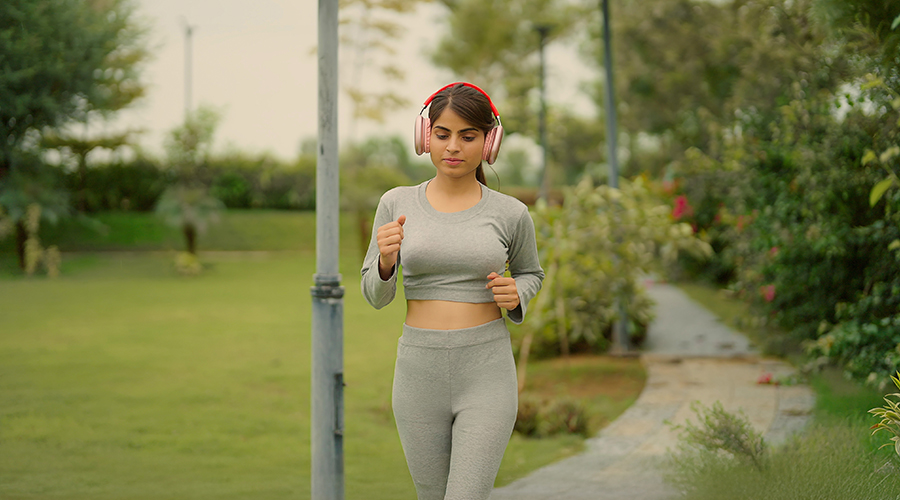
A low-impact high-intensity workout delivers the same heart-pounding cardio benefit as HIIT but without hurting your joints unnecessarily. Some alternatives to burpees and jump squat circuits practised in LIIT are:

  • Controlled squats
  • Fast-paced step-backs
  • Marching plank
  • Power knee drives
  • Rhythm-based movement
  • Zumba

    The intensity comes from time under tension, minimal rest, and smartly sequencing the exercises. This is why it is becoming increasingly popular among people with joint pain concerns.

    Joint Friendly HIIT

    HIIT does not accommodate the pains of people with joint, knee, ankle, hip or back issues. If one is recovering, it is important to only do joint-friendly exercises. LIIT can also be called joint-friendly HIIT

    Why does it work?

    • It keeps your feet placed well on the ground
    • Reduces compression on joints
    • Emphasises muscle engagement over momentum
    • Allows training for a long duration.

      This is why physiotherapists, trainers and even seasoned athletes recommend LIIT during recovery phases. You don’t just burn calories but also save your joints.
      Beginner Low Impact HIIT

      Beginner Low Impact HIIT

      One reason why LIIT is gaining such a fanbase is that it is easy to do and beginner-friendly. If you are new to workouts or restarting after a break, beginner-friendly low-impact HIIT is a must-do for you.

      • Build cardiovascular endurance safely
      • Strengthen and stabilise muscles
      • Improve coordination
      • Improve balance
      • Helps you progress at your own pace

        Most of these sessions are only 20 to 30 minutes long and require no equipment. They are easy to customise according to your needs.

        Low Impact Cardio HIIT

        Low-impact HIIT can still have cardio. It keeps your heart rate high throughout:

        • Faster reps
        • Longer intervals
        • Full-body circuits
        • Shorter rest breaks.

          You will still sweat, breathe hard and feel the burn, but you won’t harm your joints. If you pair this workout strategy with the right nutrition, like fit foods, oats protein, gym supplements, omega-3 capsules or multivitamins as per your body’s needs, you can have a sustained fitness routine.

          Read Also: HIIT vs LISS: Which One Should You Choose?

          Takeaway

          Low-impact high-intensity workouts are making all the right noise, and it is time you start with them too, because these leave no space for excuses, only fitness.
          Fitness Snacking: 5-Minute Workouts Taking Over the Internet

          Hello Ziddis! 2025 was all about minis. From reels to shorts, from marathons to sprints, from meals to smart snacks, from full-fledged workouts to sneaking in exercises in your busy life. A 60-minute workout session feels exhausting even before you start it. So this is a great time to start your fitness routine. No rules, no compulsion, only trusting your body. Welcome to Fitness Snacking! The Internet is loving it, let’s see if you would too.

          Instead of one long workout, fitness snacking breaks movement into tiny, powerful bursts spread across your day. Think 5 minutes here, 3 minutes there — and suddenly, you’ve moved more than most people who planned to “work out later.”

          And yes, it counts.

          What Is Fitness Snacking?

          Fitness snacking does not mean eating fit foods (which by the way are super great sidekicks in your glow up era!) Fitness snacking means doing bite-sized, aka short, bouts of intentional movement. It could be as short a duration as 5 minutes, but doing it multiple times a day. For example:

          • 20 squats while you wait for your coffee to brew
          • A 15-minute walk after a meal
          • Climbing stairs while scrolling on Instagram

          These mini sessions actually add up to give you more than an hour’s worth of workout.

          How Fitness Snacking Helps You Stay Active

          The biggest problem with traditional workouts is that they are too demanding. Most people lose motivation before they even start. Staying consistent is the first step. Here is why fitness snacking works:

          • Removes the “all or nothing” mindset
          • Fits into a super busy schedule
          • Keeps your metabolism gently active all day
          • Reduces stiffness from sitting
          • Improves insulin sensitivity and energy levels
          • It is much easier to convince yourself of a 5-minute exercise than a full hour workout.

            These short, frequent movements signal your body to stay awake and aware instead of being sedentary and lethargic.

            Effective Micro Workouts for Beginners

            Here are some fun micro workouts for beginners without needing any programs, equipment or gym memberships:

            1. Lower body exercises
              1. 20 body weight squats- takes about 10 minutes
              2. 20 glute bridges- takes about 5 minutes
              3. 30-second wall sit
              4. Bonus- Climbing the stairs
            2. Desk movement
              1. 10 chair dips- takes about 10 minutes
              2. 15 standing marches- takes about 5 minutes
              3. 10 shoulder rolls each side- takes about 10 minutes
              4. Bonus: 10-minute walk after meals
            3. Cardio
              1. 30 seconds jumping jacks repeated 4 times- takes about 5 minutes including rest
            4. Core reset
              1. 30-second plank
              2. 20 dead bugs – 15 minutes
              3. 30-second side plank on each side

            Mini Workouts Trending on Social Media

            Social media didn’t invent fitness snacking, but it made the concept cool and accessible. Some fun viral challenges you can try out are:

            • 5-minute every hour challenge- Here, you must move around or do an exercise for 5 minutes every hour
            • Habit stacking workout- It is all about combining 2 tasks to make it one. Eg, Squats while brewing coffee, lunges while brushing and so on.
            • Cosy girl movement- Stretch and mobility instead of HIIT
            • Office-friendly movement

              Fitness tee-tootlers are officially ditching hour-long workouts for bite-sized fitness snacks, and there couldn’t be a better time for you to hop on it, too.

              Does Fitness Snacking Replace the Gym?

              No fitness snacking can not replace the gym or give you the muscles you see on action heroes or even snatched waists, but they are great to get you started. Instead of all of it, fitness snacking helps in:

              • Making fitness a habit
              • Improving your metabolic health
              • Incorporate movement every day

                The best balance is 2-3 full-size workouts weekly and the rest of the week relying on fitness snacking to get you in the groove. Getting supported by gym supplements like creatine could also help make the most out of your gains.

                Read Also: Why Fitness Fails on Weekends—And How to Fix It

                The Takeaway

                Fitness snacking proves one powerful point: “you don’t need bigger promises, just smaller steps”. Five minutes every day is not a huge ask, yet, in a few months, you will thank yourself for doing this. Our verdict is in full support of the fitness snacking.

                Metabolic Flexibility: The New Weight Loss Goal

                Hello Ziddis! Weight loss in 2025 was no longer about starving yourself, eating bland food or working out hours at the gym. It was all about teaching your body to switch from foods and exercises that don’t serve you well and incorporate a fitness regimen that actually works for you. Switching between fuel sources efficiently is called metabolic flexibility. It is becoming a very realistic method to ensure sustainable fat loss and will be the next big thing for 2026.

                Metabolic Flexibility

                Instead of just relying on carb-cutting and calorie starving, focusing on training your metabolism to use both fat and carbs can help with your fitness goals. Metabolic flexibility is about burning carbs and fats for energy. A metabolically flexible body shows healthy signs such as:

                • Burns carbs when they are available
                • Switches to fats when carbs are low
                • Maintains steady energy levels
                • Avoids frequent sugar crashes.

                  This system works to ease weight loss and make it more sustainable.

                  Metabolic Flexibility Diet

                  A metabolic flexibility diet focuses on improving how your body uses fuel rather than restricting you from eating it. Some things to consider when planning your diet are:

                  • Balanced protein intake to protect muscle
                  • Cycling carbs instead of eliminating them
                  • Eating healthy fats to support hormone function
                  • Avoid ultra-processed foods that disrupt insulin sensitivity

                    The goal isn’t saying NO to carbs or fats. It has the flexibility to use them to our body’s advantage.

                    Metabolic Flexibility Weight Loss

                    When your metabolism becomes flexible, fat loss becomes more efficient because:

                    • Your body learns to access fat storage easily
                    • You experience less intense cravings
                    • You maintain muscle while losing fat
                    • Your energy levels stay stable even with a calorie-deficient diet

                      Signs of Metabolic Flexibility

                      Signs of Metabolic Flexibility

                      Look for signs that you may be metabolically flexible. This checklist will help you understand.

                      • Do you have stable energy between meals?
                      • Do you have the ability to go several hours without feeling shaky or dizzy?
                      • Do you experience less to no sugar cravings?
                      • Is it easy for you to transition between workouts and fasting?
                      • Do you go through consistent fat loss?

                      If the answer to these questions is yes, then congratulations, you have great metabolic flexibility. If not, then you must start working on it to help yourself get healthier by changing your diet. Fit foods and oats protein can help you kick start it.

                      Read Also: Natural Ways to Boost Metabolism

                      Takeaway

                      Metabolic flexibility is about teaching your body to burn fuel efficiently and not starving it. When your metabolism helps you get fitter, there is no stopping you. So hop on to metabolism flexibility and make your fat loss a sustainable one.

                      Cycle Syncing Workouts for Women: Train Smarter With Your Hormones

                      Hello Ziddis! For all the ladies who go through menstruation, here is a 2025 game-changer! It was a big hit and helped many women achieve their fitness goals. Cycle syncing is for a good reason: helping your body, instead of pushing your body the same way with the same workout routine. This approach aligns your training with your menstrual cycle phases and helps you build strength, improve energy and reduce burnout.

                      Cycle Syncing Fitness

                      Cycle syncing fitness is about making sure that you match your workout with what menstrual phase you are in with regard to your hormones.

                      PhaseWhat it meansFocus on
                      Menstrual phase (Day 1 to 5)Lower estrogen and progesterone leading to low energyRestorative movements like light walking, mobility exercises, or yoga
                      Follicular phase (day 6 to 13)Rise in estrogen, which means more motivation and coordination during workoutsLearning new skills, moderate strength training, light cardio
                      Ovulatory phase (day 14 to 16)Peak level of estrogen which help with strength, speed and higher confidenceHIIT, sprinting, heavy lifting, intense workouts
                      Luteal phase (day 17 to 28)Rising levels of progesterone make the body temperature rise and slow down recoveryLow-impact strength training, pilates, steady-state cardio, and stretching

                      Cycle Syncing Workouts

                      Here is how cycle syncing workouts look in real life:

                      • During the menstrual cycle, prioritise slower movements since your body is in pain. Gentle yoga, walking, breathwork, and stretching can help motivate your body to heal.
                      • During the follicular phase, your body has started recovering and can take on higher-impact workouts, so doing some light circuits, strength training, running, or cycling would be good. Since your mood is often uplifted during this phase, trying out fun activities like dancing, zumba, or acrobatics can be a great way to spice up your fitness routine.
                      • During the Ovulatory phase, your body is the most fertile and hence the most energised. Make sure you use this phase for your heavier workouts, HIIT and sprints.
                      • During the Luteal phase, your body slows down. Try pilates. slow strength training, incline walking or yoga during this phase.

                        Cycle syncing may feel unnecessary, but it is an important way to get in touch with your body.

                        Hormone Based Training

                        Hormone Based Training

                        Hormone-based training means understanding which hormone helps in what aspect and using it to best advantage during workouts.

                        Estrogen helps with

                        • Muscle recovery
                        • Joint mobility
                        • Insulin sensitivity
                        • Motivation
                        • Pain tolerance

                          Progesterone helps with

                          • Raising body temperature
                          • Increasing fatigue
                          • Slowing recovery
                          • Increasing need for rest

                            This helps you train with the biology, not against it.

                            Cycle-Based Fitness for Women

                            Cycle-based fitness is the best shot at fitness for women. Since women and men have different bodies and different needs when it comes to training, this method works well because it helps with:

                            • Reducing PMS-related workout drops
                            • Prevents injuries
                            • Improves long-term fitness planningPMS-related
                            • Helps you stay consistent
                            • Supports fat loss without overtraining

                              Read Also: Hormonal Health for Women: Tips to Balance Naturally

                              Takeaway

                              Cycling syncing workouts are not just about doing less but about doing what is right for your body at the right time. When you align training with your menstrual cycle, you get stronger and recover better. So fill up your shaker with your trusted protein shake and grab your prettiest fitness accessories to start a lifetime of consistently working on yourself!

                              Why Fitness Fails on Weekends—And How to Fix It

                              Hello Ziddis! If you are reading this closer to the weekend and already dreaming about sleeping till midday or hogging on desserts, this one is for you, “Weekend does not mean fitness holiday!” Weekdays often feel more structured with alarm clocks ringing, strict work hours, meal timings and some predictable sleep schedule. The moment we step into Friday, the weekend spirit takes over asking to laze around more, reward ourselves and procrastinate only to feel guilty on Monday. Understanding why this happens and how to break free from this circle is important.

                              Weekend Exercise Plan

                              The biggest weekend struggle is pushing yourself to follow a schedule. Without one, workouts get pushed to the latter which becomes never. The fix is simple, pre-plan your weekend movement just like any other weekday. You don’t need to go overboard and still have a laidback weekend. Here’s how:

                              • Block time on Saturday morning for some light exercising.
                              • Block some time on Sunday evening for a walk, some physical hobby class or even a relaxing swim.
                              • You can try booking a trek on weekends if you are adventurous
                              • Keep your workouts shorter and more flexible but still show up.
                              • Make a social event out of it like group dance classes, aerial yoga, coffee run with friends or swim with your partner
                              • Your relaxation time can be your reward. For example, after you go for a swim you can have a cup of hot chocolate or go for a run before catching a movie.

                                The goal is not missing a day of movement and derailing the fitness progress by rotting away in your bed.

                                Weekend Motivation for Fitness

                                Weekends often become the emotional relaxation zone where your mind wants comfort and reward for the week full of being on your toes. Hence weekends feel more like being on your back. Here is how you can fit your weekend motivation for fitness:

                                • Set a fun goal
                                • Treat your fitness activities like side quests
                                • Ask your friends to join in
                                • Make them feel extravagant
                                • Do not overpack your schedule
                                • Reward showing up

                                  Weekend Diet Mistakes

                                  Weekend Diet Mistakes

                                  Food is where the weekend diet goes for a toss. Not because of overeating but because of giving in to indulgences and mindful hogging. Imagine watching a show and belting down a whole big bag of chips you would not have dared finish.

                                  Some of the common weekend diet mistakes are:

                                  • Irregular meal timings
                                  • Going to restaurants often
                                  • Emotional or mindless eating
                                  • Rewarding yourself with unhealthy foods
                                  • Alcohol and sugar beverages
                                  • Skipping your multivitamins
                                  • Swapping fit foods for junk food over the weekend whenever you feel snacky.

                                    Building a weekend-proof diet plan is not difficult, but it requires discipline.

                                    • Keep the meal routine fixed, like not skipping breakfast, or not indulging in desserts after every meal
                                    • Indulge in a non-impulsive manner.
                                    • Stay hydrated
                                    • Balance your plate well.

                                      You don’t need a “clean weekend”, you just need a “smart weekend”.

                                      Read Also: How to Debloat After a Weekend of Cheat Days

                                      Takeaway

                                      Weekends don’t have to derail all the progress you make over the week. The secret is not being rigid but being mindful. Do not let go of yourself and indulge mindlessly. Understanding how you are spending your weekend and sneaking in healthy practices can make a world of difference without you even noticing.

                                      Desk Athletes: The New Fitness Routine to Do From Your Desk

                                      Hello Ziddis! Are you someone who is chained to their chair for 8 to 10 hours of the day? Congratulations! You are eligible to be a “desk athlete”. Just like other athletes, your body needs movement, mobility and a little bit of play to perform well. Sitting long hours means stiffness, back pain or sluggishness in the evening. With just a few simple exercises right from your desk, you can reduce the inconvenient back pain. Here’s how to do it right.

                                      Chair Exercises

                                      Your office chair can be repurposed as your new workout buddy. Here are some chair exercises you can try out:

                                      • Seated marches: Sit tall, engage your core and lift one knee at a time like you are marching on the spot. This will boost your circulation and wake up those sleepy hip flexors.
                                      • Chair dips: If your chair is sturdy and not rolling, or you have a wall to support your chair, you can grip the edges, slide forward and lower your body slightly to fire up your triceps. But please be cautious of any slips.
                                      • Seated leg extensions: Straighten one leg, flex your toes towards you, hold for a few seconds and switch.
                                      • Ankle alphabet: Draw all the letters from A to Z with your toes. It looks silly, feels great and keeps your ankles mobile. It looks silly, is fun and feels great!

                                        Office Workouts

                                        No gym, no problem! Your workstation can become your workout zone, too. Set a timer for every 45 to 60 minutes and do 10 squats or 10 desk push-ups. These mini bursts of movement elevate your heart rate and help regulate blood sugar.

                                        • Wall sits: If you have a quiet corner, try wall sits for 20 to 30 seconds. They are incredibly effective for leg strength and posture.
                                        • Walking lunges: On your way to and from the restroom or water station, you can try walking lunges (if you’re bold enough)
                                        • Ankle weights: You can put on ankle weights and walk around the office, which can lower your pace but helps in a good leg workout.

                                          Desk Stretching Routine

                                          Desk Stretching Routine

                                          Stretching is the magic that keeps Desk Athlete pain-free.

                                          • Start with neck mobility circles, gently rolling from shoulder to shoulder to release tension.
                                          • Follow with an upper-back stretch, clasp your hands forward, round your spine, and push your palms away to open up that tight shrimp posture.
                                          • Try the wrist flexor and extensor stretches
                                          • For the lower body, do a seated figure-four stretch by placing your ankle on the opposite knee and leaning forward. This opens the hips,
                                          • Standing hamstring stretch and a slow forward fold to decompress your spine.

                                            Read Also: Best Workouts for Busy People: No Gym, No Problem

                                            Takeaway

                                            You don’t need hours of free time, fancy equipment or a dedicated workout space to stay active. Becoming a Desk Athlete is about incorporating fitness movements into your busy schedule. If this lifestyle draws you in to become a seasoned fitness enthusiast, make sure to stock up on BCAA and protein powder for the next part of your athletic journey.