Generic selectors
Exact matches only
Search in title
Search in content
Post Type Selectors

Level up your fitness journey with MuscleBlaze

MUSCLEBLAZE

The Role of Healthy Fats in Hormone Balance

Hello Ziddis! When most people say they are working on their health, they often talk about their diet and focus on protein intake, cutting down carbs and supplementing vitamins. Fats are slyly avoided. But here’s an insider scoop, fats are just as essential. They aren’t the villains we make them to be. Healthy fats are important for hormone production, mood regulation, energy, and overall vitality. Let us understand how fats help hormones in their functions.

Healthy Fats for Hormone Health

Every cell in your body has a membrane made of fat. This outer layer is the communication gate between the cell and hormones. This fat membrane allows hormones to interact with the cell and carry out their functions effectively. If you consume healthy fats, these membranes stay flexible and efficient. But if your diet is filled with processed or trans fats, these membranes become rigid, which can disrupt the hormonal signals.

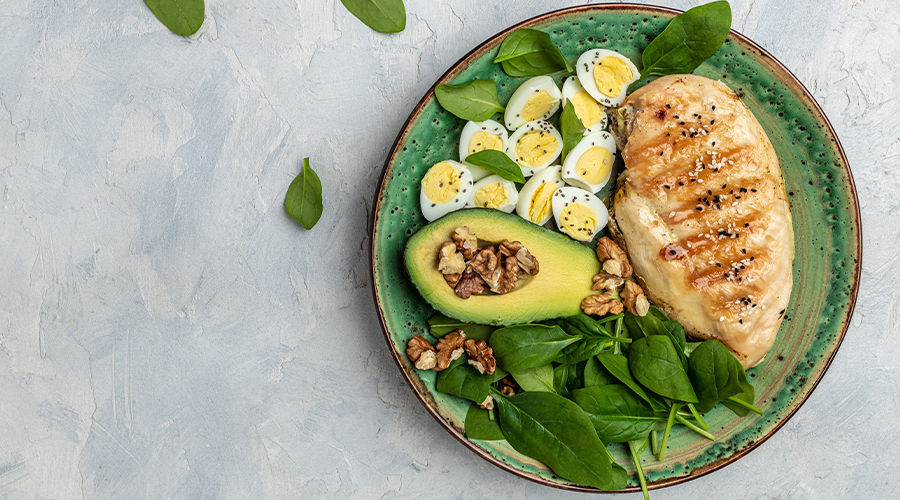
Healthy fats such as monounsaturated and polyunsaturated fats are crucial for hormone balance. These are found in foods like avocados, olive oil, nuts, seeds and fatty fish. They help regulate the production and sensitivity of hormones such as insulin, which controls blood sugar and leptin, which controls hunger. Balanced hormones not only keep your body functioning well but also stabilise your mood and energy levels throughout the day.

Deficiency in good fats can lead to low hormone levels, irregular menstrual cycles, poor concentration and even anxiety and depression. Many of the mental health concerns also arise due to an imbalance of hormones like serotonin and dopamine, both linked to mood rely on a stable hormonal environment to function optimally.

Fats for Hormone Production

Fats are the raw materials for hormone synthesis. Cholesterol, in particular, is a natural fat-like substance that is the building block for steroid hormones, including estrogen, progesterone, cortisol and testosterone. If you do not have enough cholesterol in your body, your body will find it difficult to produce hormones effectively, which can lead to fatigue, low libido, irregular menstrual cycles and metabolic issues.

Here are some healthy fats you can add to your diet:

  • Avocados
  • Flaxseeds and chia seeds
  • Coconut
  • Fatty fish
  • Nuts

    In contrast to healthy fats, trans fats and refined vegetable oils disrupt the hormone receptor activity, increase inflammation, and may even contribute to insulin resistance, which throws off hormonal rhythms.
    Healthy Fats for Fertility

    Healthy Fats for Fertility

    For women, dietary fats play an important role in reproductive health and fertility. Estrogen and progesterone, the two key female hormones, are made from cholesterol. When the diet is low in healthy fats, estrogen production declines, which disrupts the menstrual cycle and causes difficulty in conceiving

    Healthy fats ensure that proper ovulation happens and the egg remains healthy. Research shows that women who have enough healthy levels of omega-3 fatty acids tend to have better egg quality and lower rates of inflammation in the reproductive system.

    Even for men, healthy fats are important because they help in testosterone production and improve sperm count and motility.

    If you’ve been struggling with fatigue, mood changes, or hormonal symptoms like PMS or low energy, increasing your intake of the right fats can make a noticeable difference.

    Read Also: The Power of Healthy Fats: MuscleBlaze Peanut Butter Unveiled

    Takeaway

    Fats are not the villain; the kind of fat you consume could be. By making sure you are having healthy fats, you can up your fitness game. While you find gym supplements that also fulfil your strength-building goals, like creatine, make sure you also find a way to incorporate healthy fats into your diet. When you nourish your body with the right fats, you’re giving it the fuel it needs to thrive naturally and sustainably.
    Vitamin D: Why It’s Crucial for Bone Health and Immunity

    Hello Ziddis! Today, we want to introduce you to the sunshine vitamin! Confused? We are talking about Vitamin C! It is produced in your skin when you are exposed to sunlight. One might wonder, if that is so, then how do people still not get enough of it and experience deficiency? Some do, those who mostly stay indoors. Beyond its well-known role in bone health, vitamin D is also an important element for your muscle function, well-being, and immunity. Let’s know more about it.

    Vitamin D

    It is a fat-soluble vitamin that acts more like a hormone in the body. It helps in regulating calcium and phosphorus, which are the minerals that keep your bones and teeth strong and healthy. The body can make vitamin D from sunlight, but those who still don’t get enough of it, or whose bodies are incapable of synthesising it for the body’s usage, can get it from foods rich in healthy fats like fish, egg yolk, and plant-based milks.

    Vitamin D Benefits

    Its plays a role in many body functions. Some of the benefits are:

    • Stronger bones and teeth
    • Better immunity
    • Better muscle performance
    • Mood regulation
    • More endurance
    • Faster muscle repair
    • Increased immune resilience

      Best Vitamin D Supplement

      Best Vitamin D Supplement

      If sunlight and diet are not enough, you can try vitamin supplements to help your body maintain an optimal level of vitamin D. There are two main forms, namely:

      • Vitamin D1, also known as Ergocalciferol
      • Vitamin D3, also known as Cholecalciferol

        D3 is more effective in raising and maintaining blood levels.

        Here is how one can take these:

        • Recommended dose for adults is 600 to 2000 IU per day, depending on lifestyle and deficiency.
        • Since excess vitamin D can lead to calcium buildup and kidney issues, it is better to get your levels checked before starting any supplements.

          Vitamin D for Bone Health

          Vitamin D is known for its role in maintaining bone density and preventing bones from becoming brittle. If you have a vitamin D deficiency, even a calcium-rich diet won’t be effective in absorbing the necessary minerals for your bone health. Such deficiencies can lead to serious conditions like osteomalacia in adults and rickets in children.

          Spending some time outdoors in healthy sunlight, even for 15 to 20 minutes, is great for your arms, legs and bones. This ritual helps maintain healthy vitamin D levels naturally.

          Read Also: Essential Vitamins for Fitness Enthusiasts: What You Need for Optimal Muscle Function, Immunity, and Energy Levels

          Takeaway

          Vitamin D isn’t just another supplement; it is the foundation of strength, immunity and vitality for your body. Whether you are walking after a meal or lifting weights, or even doing yoga, vitamin D levels can make or break your performance and recovery. So take your shakers on a run outdoors or bring your mat and other fitness accessories to a park for an outdoor workout in the presence of sunlight to make the most of these resources, your bones, muscles and immune system will thank you.

          Plant-Based Protein: A Complete Guide for Vegans and Vegetarians

          Hello Ziddis! We grew up hearing “eat your veggies” at the dining table from our elders. Often scolded, we would eat them disappointedly. Growing up as athletes and fitness enthusiasts, we now don’t have any other option but to have them on our plate. If one is a vegetarian or vegan athlete, then this becomes a part of their protein intake. But aren’t veggies known for their fibres, not proteins? No! Some plant-based foods have a really high protein ratio, making them important to be a part of your diet. Let us understand how they help.

          Sources of Protein for Vegetarians

          Protein is essential for muscle repair, immune function and overall health. While animal products are traditionally known for their complete proteins, vegetarians and vegans now have an option to get them through plant-based foods too.

          Here are your best shots at plant-based protein sources

          • Legumes Lentils, chickpeas, black beans, and peas
          • Soy Products Tofu, tempeh, and edamame
          • Nuts and seeds Almonds, chia seeds, flaxseeds, and pumpkin seeds
          • Whole grains Quinoa, amaranth, buckwheat, and oats
          • Dairy alternatives for vegans Soy milk, almond yoghurt, etc.

          Including these in your diet can ensure that you get all the essential amino acids and proteins you need. By playing around with their quantity, you can make sure your daily protein intake is fulfilled.

          High-Protein Vegetarian Diet

          A high-protein vegetarian or vegan diet is not just about eating more to make up for the less protein, it is about eating smarter. Here are some combinations to make sure you have your comfort food with some protein.

          • Daal rice- comfortable for every indian household, daal is rich in protein, so by reducing rice and increasing the quantity of daal, you are choosing fitness.
          • Peanut butter and whole-grain bread- Peanuts are a rich source of protein, and whole-grain breads have a mix of quinoa, amaranth, buckwheat, and oats.
          • Smoothies with soy milk, oats protein and chia seed can make for a quick breakfast filled with protein.

            Some easy-to-make meal ideas for every meal of the day are:

            • Breakfast Tofu scramble with veggies and multigrain toast
            • Lunch Chickpea salad with quinoa and avocado
            • Snacks Roasted soy nuts or protein smoothie, fit foods
            • Dinner Lentil curry with brown rice and sautéed spinach
            • Pro Tip: For those who work out regularly, aim for 1.2–2.0 grams of protein per kilogram of body weight per day, depending on activity level.

            Plant Protein Benefits

            Plant Protein Benefits

            Plant-based proteins offer more than just fuel for your muscles; they are:

            • Cleaner sources
            • Come with fewer reactions or heat
            • It has other health benefits like promoting heart health, better digestion, and long-term wellness.

            Typically lower in saturated fats

            • Higher in fibres
            • Rich in antioxidants
            • Have phytonutrients
            • Reduce cholesterol levels
            • Support weight management
            • Decrease inflammation
            • Environmentally sustainable

              Read Also: Your Complete Guide to a Plant Based Protein Diet

              Takeaway

              Building muscles and staying fit with plant-based diets is absolutely possible. The key is variety and creating smart combinations. With better planning, a vegan or vegetarian diet can provide you with all the nutrients you need for strength, recovery and endurance.

              The Power of Natural Anti-Inflammatory Superfoods

              Hello Ziddis! We all know of allergies, but have you wondered what “inflammation” means? Inflammation is your body’s natural defence mechanism. But, when it becomes chronic, it can lead to bloating, acne, fatigue, joint pain and even some long-term health issues! Do you reckon if you experience such discomfort often? It could be inflammation. But the good news is that nature has a solution to all our problems. Natural, powerful anti-inflammatory foods can help you feel stronger, recover faster and maintain better health.

              Anti Inflammatory Foods

              Certain foods that nature has in store for us are rich in antioxidants, omega-3 fatty acids and phytonutrients that help fight inflammation in our body. Here are nature’s best warriors for inflammation:

              • Turmeric, aka Haldi: Found in every indian kitchen, the compound curcumin gives turmeric its golden colour and also the power of anti-inflammatory effects. When combined with black pepper, the duo leads to better absorption.
              • Ginger, aka adrak, is A key element in Indian Chai, is known for its warming properties, which soothe sore muscles and support digestion.
              • Berries: Blueberries, strawberries and Indian gooseberry (amla) are loaded with antioxidants that neutralise free radicals.
              • Fatty Acids: Flaxseeds, walnuts, and chia seeds provide plant-based omega-3s that protect cells from inflammatory damage.
              • Green tea: It contains catechins, which are the compounds responsible for calming inflammation and supporting heart health.

                Anti Inflammatory Indian Diet

                So many anti-inflammatory ingredients are found in Indian kitchens, making the Indian diet an incredibly rich source of anti-inflammatory compounds. Traditional ingredients like turmeric, garlic, ginger, and fresh herbs already create a healing foundation.

                Here is a sample plan for foods you can have throughout the day:

                • BREAKFAST: Moong dal chilla with mint chutney + herbal tea
                • LUNCH: Brown rice, dal, sauteed spinach and cucumber raita
                • SNACK: Roasted chickpea or makhana with turmeric
                • Dinner: Vegetable khichadi with ghee and a side of salad
                • Drink: Golden milk made with turmeric, coconut milk and black pepper.

                An Indian diet can be incredibly anti-inflammatory when planned right. Traditional ingredients like turmeric, garlic, ginger, and fresh herbs already create a healing foundation.

                Some tips you can follow for an anti-inflammatory lifestyle:

                • Use cold-pressed oils like mustard or olive oil.
                • Reduce refined sugar and white flour.
                • Include plenty of fresh fruits and vegetables daily.

                Anti Inflammatory Snacks

                Anti Inflammatory Snacks

                Smart snacking is the key to keeping inflammation at bay and energy levels stable. Try these easy, nutrient-rich options:

                • A handful of walnuts or almonds
                • Fresh fruit with peanut or almond butter
                • Veggie stick with hummus
                • Flaxseed protein bars
                • Protein powder brownies with walnuts
                • Herbal teas like tulsi or ginger-lemon

                  Read Also: Best Anti-Inflammatory Foods for Faster Muscle Recovery

                  Takeaway

                  An anti-inflammatory diet isn’t about restrictions; it is about nourishment. When you fill your plate with the colour of whole seeds, plant-based food, you naturally fight inflammation. This helps boost your recovery and protect your health. Small dietary shifts can add years to your healthy life.

                  The Link Between Hydration and Cognitive Function: Fueling the Everyday Athlete

                  Hello Ziddis! Feeling parched when you work out seems like a very common thing, but is it healthy to experience it often? It is not healthy to experience a strong parched feeling. It is dehydration. While dehydration is only regarded as a concern for people who indulge in tenses sports like marathon runners and athletes, anyone who has started working out recently can experience it, especially if you juggle a full-time job, commute, errands and workout. Dehydration doesn’t just affect your endurance but also gives you brain fog, makes you lose your focus and your motivation. Ever felt that ”brain fog” mid-day or struggled to concentrate during a crucial meeting? Dehydration is the culprit. In this blog, we try to connect the dots between dehydration and cognitive functions.

                  Hydration and Cognitive Function

                  Fun fact: Our brain is composed of about 75% water. That makes our brain highly sensitive to even a minor fluid deficiency. While your brain is super efficient, it needs water to function. When you are well-hydrated, your nutrients are delivered efficiently, and electrical signalling between neurons is smooth and rapid. Water is really like a lubricant and food for your brain’s complex structure. If you experience dehydration, your cognitive function starts to lose its edge, causing it to crash and glitch mid-day, mid-exercise or even at the start of the day after an intense yesterday

                  Effects of Dehydration on the Brain

                  Our brain can’t handle even mild levels of dehydration. Even if as little as 1.5% of the body’s fluid weight is lost, it can cause alterations in brain functionality. Research shows that this level of fluid loss can cause an increase in cortisol, a stress hormone that can cause anxiety and fatigue. During a study, MRI scans of dehydrated brains showed that those experiencing dehydration took a longer time to complete a simple task as compared to those with healthy hydration levels. 

                  Here’s how dehydration affects the brain:

                  • Causing brain tissues to shrink
                  • Increasing mental strain
                  • Reduced blood flow
                  • Imbalance in electrolyte levels
                  • Reducing the brain’s supply of oxygen and glucose
                  • Disrupting nerve signalling
                  • Slowing down the processing speed. 

                    If you are someone who takes creatine as one of your gym supplements, that routine requires you to prioritise hydration even more.

                    How Hydration Affects Focus and Reaction Time

                    How Hydration Affects Focus and Reaction Time

                    If you are an athlete, you need to understand a simple equation, Mental activity is directly proportional to hydration levels.

                    You need healthy hydration levels to work out, keep up your endurance, stay focused and make decisions quicker. Here’s how dehydration can hamper your efforts:

                    • Your attention span will reduce
                    • You will be easily irritated or distracted
                    • You will experience difficulty in switching between tasks
                    • You will face difficulty organising and prioritising your thoughts
                    • Your reaction time will slow down.
                    • Your reflexes will lag

                      Cognitive Decline and Hydration

                      Chronic, regular dehydration can put a strain on your cardiovascular system and nervous system. By maintaining proper hydration levels, you will be at the top of your performance, be it sports, daily errands, corporate work, trading or even leisurely activities.

                      Effects of Dehydration on Physical Performance

                      Dehydration takes a toll on your physical performance, too. The moment you start sweating, you start losing fluids, and that impacts your physical capabilities. 

                      Here are some ways in which your physical performance degrades because of dehydration:

                      • Low endurance
                      • Less strength and power
                      • Often experiencing cramps and joint pain
                      • Slower recovery

                      Read Also: Winter Hydration: Why Skipping Water Could Hurt Your Workouts

                        Takeaway

                        Hydration is a non-negotiable for everyone, but more so if you are into fitness. An athlete needs both mental toughness and physical capability to perform well. Hydration is a simple way that ensure it. 

                        Creatine 101: Everything You Need to Know

                        Hello Ziddis! All the gym-goers have heard of creatine, the most widely studied, trusted and questioned about supplement responsible for improving your athletic performance, muscle growth and recovery. Whether you are a beginner in your fitness journey or a seasoned athlete, creatine can contribute significantly to changing the game for your fitness training. Let’s understand this supplement better to make the most of it.

                        What Is Creatine

                        It is a natural compound made from three amino acids- arginine, glycine and methionine. It is found mainly in muscle cells and helps your body produce energy during high-intensity exercise. Your body gets creatine from food sources like red meat and fish, but it is difficult to get optimal amounts through diet alone. This is where creatine comes to play. Creatine supplements have become widely popular because they help increase the creatine stores in the muscles and give you more fuel to power through intense workouts.

                        How Does Creatine Work

                        To understand how creatine works its magic on you, you must know a bit about how your body generates energy.

                        • During intense exercises, your muscles use ATP for quick energy
                        • The ATP stores deplete within seconds of exertion

                        Here, the role of creatine begins. It helps regenerate ATP by donating a phosphate molecule to ADP to allow you to maintain strength and endurance for a longer duration of your workout.

                        To sum it up, It is acts as “your muscle’s power bank” or a “backup energy battery” which helps you push harder, lift heavier and train longer before fatigue sets in.

                        Benefits of Creatine Supplementation

                        There are numerous benefits to adding creatine supplementation to your fitness regimen. Here are some:

                        • It increases strength and power, allowing for more reps, heavier lifts, and better results.
                        • It improves muscle growth through protein synthesis and cell hydration.
                        • Reduces muscle cell damage and inflammation
                        • Helps recover faster and train harder
                        • Supports brain function
                        • Boosts high-intensity performance

                          How to Take Creatine: Dosage & Timing

                          How to Take Creatine: Dosage & Timing

                          Commonly, creatine monohydrate is the most trusted form of creatine. It is affordable, safe and well researched.

                          Dosage depends on your phase.

                          • During the loading phase: Take 20g per day (split into 4 doses) for 5–7 days to quickly saturate muscle stores.
                          • During the maintenance phase: After loading, continue with 3–5g per day to maintain levels.

                          You can also skip the loading phase and take 3 to 5 grams daily from the start. It will take a few weeks longer, but give the same long-term results.

                          Myths of Creatine

                          Myth 1: Causes Kidney Damage

                          Studies show creatine is safe for healthy individuals when taken in dosage as recommended dosage and it does not harm the kidneys.

                          Myth 2: Is a Steroid

                          Creatine is a compound that is naturally found in your body. Creatine supplements are not steroids but helpful tools for your body.

                          Myth 3: Causes Bloating or Fat Gain

                          Creatine retains water inside your muscle cells, but not under your skin. You might feel full and satisfied, but that is a sign of hydration, not fat gain.

                          Myth 4: Women Should Avoid

                          Women and men both benefit well from creatine for strength and endurance.

                          Read Also: Creatine for Women: Is it Safe and Effective for Building Muscle?

                          Takeaway

                          Creatine is well researched and trusted. Having it as a part of your fitness routine can amplify your fitness. Include other helpers, too, like fit foods and oat proteins, to complete the routine. If you’re looking for a single supplement to support your fitness goals.