Generic selectors
Exact matches only
Search in title
Search in content
Post Type Selectors

Level up your fitness journey with MuscleBlaze

MUSCLEBLAZE

Natural Ways to Boost Metabolism

Hello Ziddis! Are you trying to lead your best life, look fit, feel healthy and get stronger? The only thing that can hinder or elevate your health is metabolism. Metabolism is your body’s way of converting food into energy. This energy can help you push through the day. But is metabolism something you can work upon and improve your fitness? Yes! Totally. Let us understand how, with just some lifestyle hacks and natural foods, you can rev up your metabolic rate.

Metabolism Booster

Metabolism, as we already know, is the process by which your body converts food into energy. A faster metabolism means you are burning more calories even when you are resting. Isn’t that really great? Who wouldn’t want it? For this same reason, we will talk about natural booster which can help in increasing the metabolic rate. Some of the natural boosters are:

  • Staying hydrated
  • Adding more protein-rich food to your diet
  • Drinking green tea or black coffee instead of its milky and sugary alternative
  • Spices like chili, turmeric and ginger to increase thermogenesis of your body
  • Adding movement after every meal

    Anti-Inflammatory Diet

    Chronic inflammation can slow down you metabolism and lead to weight gain. Following an anti-inflammatory diet not only improves metabolic health but also supports overall wellness.

    Some of the foods that can help you are:

    • Fresh fruits and vegetables especially berries, leafy greens and citrusy fruits
    • Omega-3 rich foods like flaxseed, walnuts, fatty fish
    • Whole grains instead of refined carbs
    • Herbs and spices such as turmeric, cinnamon and garlic

      These foods help reduce oxidative stress, maintain stable blood sugar levels, and improve fat metabolism.

      Natural Weight Loss Boosters

      Discovering natural weight loss boosters is a game-changer for your fitness journey. Some natural foods can be very helpful in weight loss, such as:

      • Proteins: Chicken, pulses, lentils, and more protein-rich foods help in keeping you full and prevent overeating
      • Fibres: Foods such as oats, legumes, vegetables and foods can help in better digestion
      • Green tea or herbal teas can provide catechins and antioxidants that help in fat oxidation
      • Healthy fats: Avocado, seeds, olive oil, and fish can help support hormone balance, which in turn helps in weight management.
      • Fit foods: These have no nonsense ingredients and give more energy for less calories.
        Lifestyle Changes to Boost Metabolism

        Lifestyle Changes to Boost Metabolism

        Simple habits in your daily life can make a big difference in how efficiently your body can burn calories. Such as:

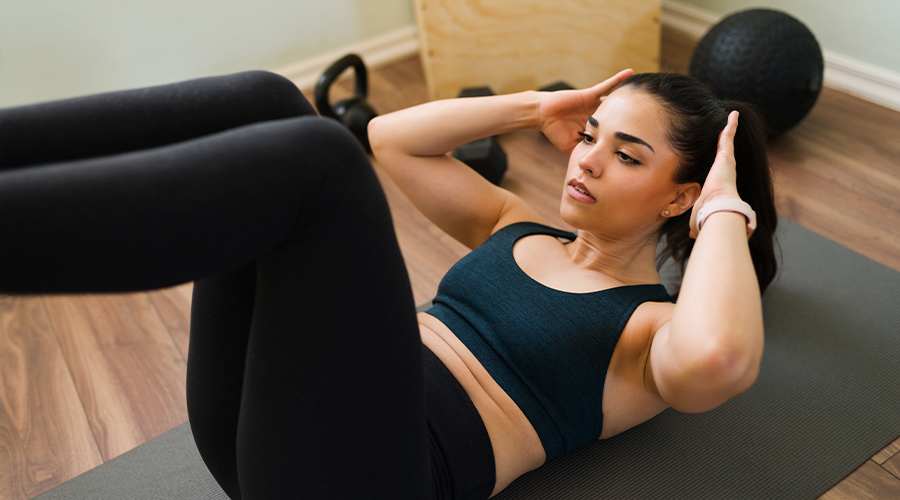
        • Staying active by including strength training and yoga to build lean muscle mass. Muscle tissue burns more calories than fat.
        • Moving throughout the day, like taking stairs, walking during calls or stretching every hour.
        • Hydrate consistently by drinking enough water to increase calorie-burning
        • Getting good quality sleep can help regulate hormones like leptin and ghrelin, which are responsible for hunger.
        • Stress management is really important because high cortisol can slow down metabolism. Try meditation, deep breathing or nature walks.
        • Having meals at regular intervals can help stabilise metabolism.
        • Have your multivitamins, which can help you power up for all the activity and bodily processes.

          Read Also: Building Muscle for Weight Loss: Exploring the Metabolism Advantage

          Takeaway

          You don’t need supplements or extreme diets to boost metabolism. You need natural ways to boost it yourself. Some simple changes in lifestyle and diet can help. By making small, consistent efforts in your lifestyle, you can naturally help your metabolic rate, support your healthy weight management and feel more energetic every day.
          HIIT vs LISS: Which One Should You Choose?

          Hey Ziddis! If you have just started your fitness journey, here’s a question for you: What do you think is better, HIIT (High-Intensity Interval Training) or LISS (Low-Intensity Steady-State) cardio? Both methods have their unique benefits, but HIIT has gained more popularity because of how quickly it shows results. But is that it? Let us understand which one is better in what aspect.

          HIIT vs LISS: Which is Better?

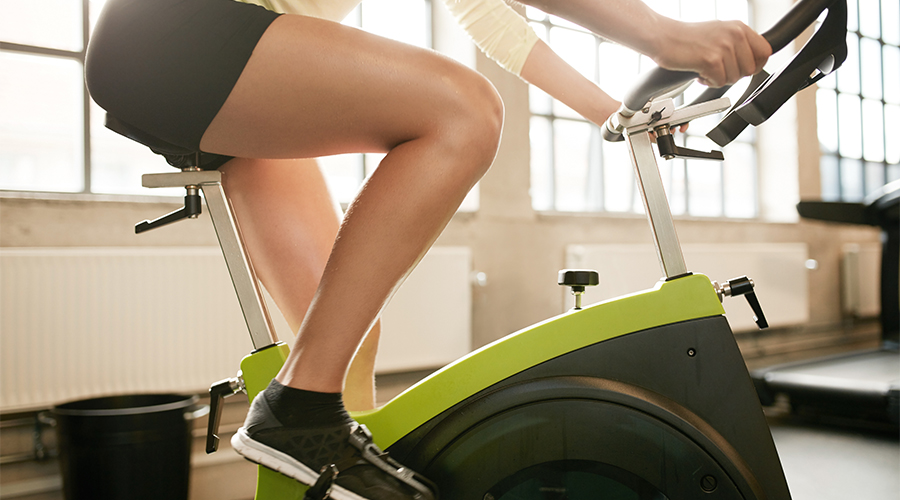
          There is no one-size-fits-all answer to this question. HIIT involves short bursts of intense effort followed by recovery periods, making it time-efficient and effective for burning calories in a shorter duration. LISS, on the other hand, is a steady and lower intensity activity like brisk walking, cycling or swimming. When it comes to sustainability, LISS wins. HIIT suits those who want a fast and powerful workout, and for those who don’t mind pushing themselves to the limit, while LISS suits those who prefer consistent endurance building with less strain on joints and recovery.

          HIIT vs LISS Cardio

          When it comes to cardio, HIIT and LISS both have their own benefits, but check out the impact each has:

          HIIT

          • Increases heart rate rapidly
          • Improved anaerobic and aerobic fitness
          • Enhances calorie burn even after the workout
          • Requires more recovery
          • Not ideal for beginners

            LISS

            • Promotes fat utilisation during exercise
            • Improved cardiovascular endurance
            • Easier to incorporate into a busy daily routine
            • Gentler on the body
            • Calorie burn is slower

              Read Also: HIIT May Not Be Right for You. Here’s Why

              HIIT vs LISS for Weight Loss

              Weight loss is often the main reason one starts working out with HIIT or LISS, so let us understand what the right choice is depending on your body and lifestyle:

              HIIT

              • Burns more calories in less time
              • Elevate metabolism post-workout
              • Great for those with limited time
              • Perfect if one can handle high-intensity moves

                LISS

                • Slow but sustainable weight loss
                • Helps maintain a calorie deficit
                • Reduces strain on the body
                • Sustainable for daily practice
                • Takes a longer time
                • Easier to stick to

                  The best approach is to combine both. You can have HIIT sessions 2 times a week and regular LISS activities like walking or cycling daily

                  HIIT vs LISS – The Verdict

                  HIIT vs LISS – The Verdict

                  It isn’t always about choosing between HIIT and LISS. HIIT is your best bet if you want a quick, efficient calorie-burning activity. It helps in boosting metabolism and improving athletic performance. LISS is great for you if you want a gentle and more sustainable approach that supports endurance and active recovery

                  Ultimately, what will work best for you is making sure you are combining both, and while you are at it, gear up with fitness accessories like lifting straps for your weight training and HIIT.

                  The Link Between Gut Health and Skin

                  Hello Ziddis! They say beauty starts from within. This is not just a philosophical ideology; in many ways, it does start from within. More than just digestion, your gut plays an important role in your immunity, mood and even the health of your skin. If you struggle with acne, eczema, dryness or dull skin, the answer might not just be in your skin care creams and serums but also what is happening inside your gut. Let us understand this fascinating link between gut health and skin and how you could nurture both.

                  Gut Skin Connection

                  Your gut and your skin are connected through what is often called as the gut-skin axis. This is a two-way communication that runs between your digestive system and your skin. This is impacted by any factors like your immune system, your hormones and even the microbes like bacteria and fungi that live in your gut.

                  When your gut is balanced, the nutrients are absorbed well in your bloodstream, and the inflammation is under control. This gives your skin a clear, healthy glow. But if there is an imbalance called dysbiosis and it shows up as flare-ups, acne, redness, premature ageing, irritation and puffiness.

                  How Gut Health Affects Skin

                  There are many ways in which your gut health affects your skin. Some of the impacts of bad gut health that show up on your skin are:

                  • Inflammation, which triggers excess oil production and clogged pores
                  • Acnes flare-ups
                  • Immune system issues since 70% of your immune system resides in your gut.
                  • Eczema, psoriasis, or rosacea due to leaky gut, toxins and undigested particles entering the bloodstream
                  • Nutrient absorption of vitamins, minerals and antioxidants from food
                  • Dehydrated skin due to lack of absorption of key nutrients like zinc, vitamin A and omega-3 fatty acids.
                  • Stress and hormone fluctuations can upset gut balance and show up on skin as breakouts and dullness.

                    Gut Health Diet for Clear Skin

                    Gut Health Diet for Clear Skin

                    If you want radiant and glowing skin, you need to eat your skincare and feed your gut well. A gut-friendly diet is also the best skin care routine. Here are some guidelines for it:

                    • Eat fresh foods
                    • Eat more plants like fruits, leafy greens, legumes, nuts and seeds
                    • Add probiotics to your meals
                    • Check for lactose reaction on your skin and find lactose-free alternatives
                    • Foods like garlic, onions, bananas and asparagus are a great prebiotic support system.
                    • Fats are important, but in the form of omega-3 fatty acids from flaxseeds, walnuts or salmon. You can also start using omega 3 capsules.
                    • Make sure you have a vitamin-rich diet, and if you find it inadequate, start with vitamin supplements.
                    • Limit processed food and sugars
                    • Stay hydrated

                      What Foods Improve Gut and Skin Health

                      If you are looking to make your grocery list skin and gut-friendly, here are some of our top picks for you:

                      • Berries for their antioxidants, which fight skin-ageing free radicals
                      • Leafy greens like spinach, kale and fenugreek to help detox
                      • Fermented foods like saucerkraut, kimchi and kombucha
                      • Chia seeds and flaxseeds for additional fibre
                      • Avocado, salmon and walnuts for healthy fats
                      • Turmeric for its natural anti-inflammatory properties
                      • Ginger for better digestion and reduced bloating.

                        Read More: Why You Shouldn’t Skip Mobility Work

                        Takeaway

                        Your skin is a mirror of your gut, so it is important to have healthy eating habits for clear, healthy and glowing skin. Your gut is very closely associated with your skin, so eating your skin care is always better than applying expensive serums. The next time you look in the mirror and wish for healthier skin, remember: the journey begins in your gut.

                        How to Avoid Bloating During Workouts

                        Hey Ziddis! Exercises should ideally feel energising and not uncomfortable. So many people experience bloating, gas or cramping during or after workouts. The good news is that with the right nutrition and habits, you can minimise your workout-related bloating and keep your fitness sessions running smoother than ever. If you want a solution to your pre- or post-workout bloating problem, you are at the right spot. Let’s go!

                        Working Out Without Bloating: Is It Possible?

                        It is ABSOLUTELY POSSIBLE to exercise without feeling gassy and bloated all the time. The key lies in understanding what is triggering your body to bloat. Once you understand that, you can adjust your pre- or post-workout nutrition and habits to fix it. It could be hydration, food choices, timings and more reasons that could play a huge role in making you feel bloated and gassy.

                        Workout Bloating Causes and Solutions

                        Let us understand some of the common reasons why you might be feeling gassy or bloated while exercising. Keep a lookout for the habits that feel familiar to yours.

                        HabitReasonFix
                        Eating too close to your workout sessionLarge meals right before your workout can slow your digestionHave a small but nutritious snack before you work out to fuel you up instead of slowing you down.
                        Having too many high-fibre or fatty foodsBeans, broccoli, fried veggies or dairy (if you are lactose intolerant) can cause gasStick to the required amount of fibre that your body needs.
                        Drinking carbonated drinksFizzy sodas or sparkling water can fill up your stomach with airAvoid fizzy sodas and drinks altogether. They do worse than just make you feel bloated
                        You are dehydratedLower fluid intake can slow your digestion and cause discomfort in your stomachStay hydrated and drink at least one litre of water during your workout session
                        Swallowing airIf you breathe too heavily, chew gum, or drink with a straw, it can cause gas buildup, making you feel bloated.Drink water from bottles or glasses instead of straws. Avoid chewing gum and do some breathing exercises before workouts to regulate your breath.

                        A simple, quick fix to all your bloating complaints is to stick to easily digestible foods 1–2 hours before exercise, and stay hydrated with plain water.

                        How to Prevent Bloating When Exercising?

                        You can prevent bloating when exercising by fixing each step of your workout. Here’s how:

                        Pre-Workout Tips:

                        • Eat a small but nutritious snack like a banana, oatmeal, rice cake or peanut butter about an hour before your workout.
                        • Avoid gassy veggies, fizzy drinks and artificial sweeteners.
                        • Sip water instead of chugging it.

                          During Workout:

                          • Take small sips of water after every set instead of gulping your water all at once
                          • Avoid energy gels or drinks with excessive sugar in them since they can cause energy spikes and drops and cramping.

                            Post-Workout Tips:

                            • Go for a light and protein-rich meal, always like chicken with rice, smoothie with protein powder and L Carnitine or yoghurt with fruits.
                            • Start using a fat burner in your weight loss phase.
                            • Add electrolytes if you sweat a lot
                            • Avoid salty snacks
                            • Stretch and cool down with gentle movements and breathwork to help digestion and reduce gas

                              Bloating Prevention Exercise

                              Bloating Prevention Exercise

                              Can exercises actually help with reducing your bloating and discomfort? You bet! These simple exercises and habits can help you:

                              • Gentle yoga poses like child’s pose, cat and cow, and supine twist can help release the trapped gas.
                              • Walking post your meals, even for 10 minutes, can improve digestion and reduce the chances of bloating.
                              • Deep breathing exercises calm the guy and prevent swallowing excess air.

                                Read Also: How to Train Around Minor Injuries Without Losing Progress

                                Takeaway

                                Bloating during a workout is common but avoidable. By timing your meals smartly, choosing light and digestible foods, hydrating yourself and adding some gentle stretches can help you lose your gassy discomfort. Small changes and adjustments to your everyday life can go a long way in keeping your fitness routine.

                                How to Build a Night Routine That Supports Fitness Goals

                                Hello Ziddis! Most of us have fitness goals. What we do at the gym and outside the gym is important to reach those goals. While morning routines often get the spotlight, a night routine can make or break your progress. Nights, or the resting times, are usually for restoring our body, giving it the much-needed calmness and rest, and sometimes to grow in strength and endurance.

                                Night Routine for Fitness

                                Night routines are often misunderstood to be feminine. The truth is, you can have a night routine that calms you down, and everyone deserves it. Here is how you can build yours:

                                • Wind down with light stretching or mobility work. This helps release muscle tension, especially after a hard training session.
                                • Pair this with hydration and a protein-rich snack such as Greek yoghurt, cottage cheese, or a small protein shake to provide your muscles with the fuel they need to repair overnight.
                                • Aim to sleep and wake at the same time every day. This stabilises your circadian rhythm and regulates hormones like cortisol and growth hormone. Growth hormone, in particular, plays a major role in muscle repair and fat metabolism while you sleep.
                                • Make sure the room is cold and dark.
                                • Switch off the electronics at least an hour before your bedtime.
                                • You can try aromatherapy to calm your senses.

                                  Wellness Routines

                                  Your wellness depends on how you move throughout your day. You are active all day, so the night is for your rest. Simple wellness practices can help you experience peaceful sleep.

                                  • Dim the lights an hour before bed
                                  • Limiting screen exposure
                                  • Taking a warm shower can cue your body that it’s time to slow down.
                                  • Incorporate mindfulness practices such as journaling or breathing exercises.
                                  • Writing down small wins from your workout that day can be motivating
                                  • Deep breathing helps reduce stress hormones.

                                    Taking notes of these simple things can lead to better recovery, improved digestion, and higher-quality sleep. This will support your fitness goals.

                                    Self Care Routines

                                    Self Care Routines

                                    Self-care routines are basically intentional care for your own self. Self care routines can be of different kinds, such as:

                                    • Skincare- using skincare products to help skin repair itself
                                    • Intellectual- reading a calming book
                                    • Physical- enjoying a soothing herbal tea.
                                    • Habit stacking- laying out your workout clothes like tank tops and joggers, or prepping for meals.

                                      The goal is to create an environment of calm, free of distractions and unnecessary stimulation. Small steps like these can help reduce decision fatigue and keep your motivation high, even on days when energy feels low.

                                      Read More: Top 10 Tips to Stay Motivated to Your Fitness Routine

                                      Summary About Night Routine for Fitness

                                      Fitness is not just about a buffed body and multiple reps at the gym. Keeping your mind and body happy is the first and main purpose of fitness. A thoughtful night routine helps your muscles repair, balances your hormones, and keeps your mind stress-free. Fitness care like stretching and nutrition, wellness practices like light management and mindfulness, and self-care rituals like skincare or tea, you’re setting yourself up for consistent progress.

                                      Rest is not a luxury but a necessity. Romanticise it and experience it fully.

                                      Sources:

                                      1. https://www.healthline.com/health/sleep/the-best-workout-routine-to-do-before-bedtime

                                      2. https://www.sleepfoundation.org/sleep-hygiene/bedtime-routine-for-adults

                                      Why You Shouldn’t Skip Mobility Work

                                      Hello Ziddis! When we think about getting fitter, most of us hop on the treadmill for cardio or pick up the dumbbells for strength training. However, there is an underrated pillar of fitness that we often tend to overlook, which is mobility work. Mobility is your ability to move freely and easily and have a full range of motion. As we grow older, our body restricts our range of motion, which can cause pain when moving our bodies as freely. This is when having stretching exercises as your base will pay off.

                                      Skipping mobility work might not feel like a big deal at the beginning. But over time, it can limit your progress, reduce flexibility and increase the risk of injury.

                                      Stretching Exercises

                                      Stretching is one of the most basic yet powerful forms of mobility work. It helps lengthen muscles, reduce tightness and prepare your body for movement. There are two main types of stretching exercises:

                                      1. Dynamic Stretching- This is recommended to be done before your workouts to move your joints and muscles and warm them up for activity. Example:

                                        • Arm circles
                                        • Walking lunges
                                        • Torso twist
                                        • Leg swings.

                                        2. Static Stretching- This is to be done after workouts. You will need to hold a position for 20 to 60 seconds to improve flexibility and relax muscles. For example:

                                          • Hamstring stretch
                                          • Seated forward fold
                                          • Tricep stretch

                                          Even 5 to 10 minutes of stretching before and after your workouts can help keep your joints well-oiled and reduce the chances of getting injured.

                                          Injury Prevention Exercises

                                          Mobility training is one of the most effective ways of reducing injury risk. If you are are athlete or training with weights, mobility training is non-negotiable. By improving the flexibility of muscles and function of joints, mobility work helps your body move the way it is supposed to. This means less strain on tendons, ligaments and connective tissue.

                                          Examples of mobility-focused injury prevention moves:

                                          • Hip circles
                                          • Cat-cow stretch
                                          • Should pass-throughs
                                          • Ankle mobility drills
                                          • Tread the needle

                                            Mobility work can be considered as the “maintenance” for your body

                                            Benefits of Mobility Exercises

                                            Adding mobility training to your routine brings benefits far beyond just flexibility

                                            • Better performance
                                            • Increased range of motion
                                            • Reduced pain and stiffness
                                            • Faster recovery
                                            • More stamina
                                            • Improved circulation

                                              Mobility Exercises for Seniors

                                              As we get older, joints can become stiffer and muscles shorter and weaker. Ageing is also hard on our balance and general mobility. Mobility work can help slow or even reverse these changes. Some of the easier everyday mobility exercises for seniors are:

                                              • Seated cat and cow for improved spine flexibility
                                              • Ankle rolls for balance
                                              • Wall angels to open up the chest, improve posture and upper body stretch
                                              • Seated hip march for hip mobility and circulation

                                                These are low-effort exercises and can be done anywhere. They are safe for most levels of fitness, and even 10 minutes of doing these can make a big difference.

                                                These exercises are low-impact, can be done anywhere, and are safe for most fitness levels. Even 10 minutes a day of doing mobility work can make a big difference.

                                                Read More: Flexibility and mobility: The Often Overlooked Components of Fitness

                                                Takeaway

                                                Mobility work is not optional; it is essential. We will inevitably grow old, but how we age is in our hands. If you want to train harder, recover faster and move without restrictions, mobility work is very important and deserves a place in your workouts. If you need some fitness accessories to advance your mobility work, having lifting straps would be helpful. A flexible, mobile body isn’t just more athletic but more resilient, pain-free, and ready for whatever life throws your way.