Generic selectors
Exact matches only
Search in title
Search in content
Post Type Selectors

Level up your fitness journey with MuscleBlaze

MUSCLEBLAZE

The Role of Omega-3 in Fitness and Recovery

Hello Ziddis! Did you know that omega-3 fatty acids are more than just “good fats”? They actually play a pretty important role in maintaining your overall health and are super valuable for those who have the habit of exercising regularly. But is it really as important as people say? Let us find out how omega-3 is an underrated tool in our fitness journey.

Is Omega-3 Good for Fitness?

Yes, omega-3 is highly recommended for being beneficial to your fitness. The essential fatty acids in omega-3 help in

  • Reducing inflammation in our body
  • Improving the blood flow to your heart to support our cardiovascular health.
  • Contribute to better endurance and performance
  • Help minimise the muscle soreness after intense workouts.

    What does omega-3 do for fitness?

    Omega-3 is an unsung hero in your fitness. Here is how it helps you in many ways:

    • Reduces exercise-induced inflammation
    • Speeds up healing
    • Helps lubricate joints
    • Lowers stiffness
    • Reduces chances of injury
    • Improves the supply of oxygen to muscles
    • Improves stamina
    • Increases focus
    • Improves mental clarity during workouts
    • Omega-3s can significantly reduce levels of triglycerides
    • Some studies suggest that omega-3s could raise HDL (good) cholesterol levels.
    • Omega-3s can prevent blood platelets from clumping together, which can help prevent the formation of harmful blood clots.
    • According study conducted a few years ago, intake of fatty acids like omega-2 during childhood can lower the risk of type 1 diabetes-associated autoimmunity later in life.
    • Higher omega-3 intake can decrease age-related mental decline and reduce the risk of Alzheimer’s disease.   

      What Happens if I Take Omega-3 Every Day?

      One of the most frequently asked questions is whether omega-3 is supposed to be taken every day. Short answer is: Ideally! A slightly longer answer is that taking omega-3 every day can help your body maintain optimum levels of essential fats. Over time, you will start noticing reduced muscle soreness, more energy and better cardiovascular health. Regularly taking omega-3 is great for your long-term wellness and reduces the risk of heart disease, improves your mood and keeps your joints healthy.

      Why do Gym Goers Take Omega-3?

      Like creatine, omega-3 is becoming popular among gym-goers. Here’s why omega-3 has found its place in their cabinets and regimes:

      • Boosts recovery between training sessions
      • Reduces muscle soreness after high-intensity workouts
      • Support fat loss by improving metabolic health
      • Maintain heart health even during cardio-heavy routines.

        Read More: Top 5 Benefits of Fish Oil for Muscle Builders

        Takeaway

        Omega-3 fatty acids are not only beneficial for general health but also crucial for fitness performance, recovery, and injury prevention. Whether through fatty fish, flaxseeds, chia seeds, or gym supplements, make sure to find a way to incorporate omega-3s into your routine to train smarter, recover faster, and perform better.
        How to Train Around Minor Injuries Without Losing Progress

        Hello Ziddis! When you are someone who loves movement, fitness and working on yourself, injuries happen sometimes. But sometimes even the small ones, like sore joints, tight muscles or mild strain, can throw you off your workout routines. The good news is you don’t always need to stop training completely. With the right approach, you can work around minor setbacks, keep progressing and even prevent future issues.

        How Do You Train Around an Injury?

        Instead of forcing through pain, you should adjust your routine. Here is how:

        • If one muscle group or movement hurts, you can shift your focus to another muscle group instead of stopping your fitness momentum. For example, if your shoulder is hurt, train your lower body.
        • Using machines or controlled movements reduces the strain on the injured area.
        • Low-impact exercises and movements like cycling, swimming or walking can keep your fitness up, especially while you are recovering from your injury.

          How to Handle Minor Injuries

          Minor injuries do not need to derail you. There are ways to handle minor injuries gracefully in your fitness journey:

          • Listen to your body because the pain is a signal, not a reward for a workout.
          • Use the RICE theory, that is, Rest, Ice, Compression and Elevation, to speed up your recovery.
          • Modify the intensity of weight, reps and sessions to help maintain momentum without strain.
          • Warm up and stretch
          • Add movement to your everyday

            How Do You Strength Train with an Injury?

            Strength training does not have to stop because of an injury. With little care and focus, you can have a safe strength training session.

            • Use unilateral work to maintain balance and strength
            • Opt for resistance bands or machines for controlled movements
            • Shorten your range of motion
            • Lower the load but increase the sets at a lighter weight

              How to Train for Injury Prevention

              How to Train for Injury Prevention

              You may be all set to work out around with your injury, but it is better to prevent injuries. Here’s how:

              • Prioritise mobility and flexibility with dynamic stretches
              • Never miss the warm-up to prep your muscles and joints
              • Use the correct form
              • Don’t skip the cool-down stretches
              • Stay hydrated
              • Use fitness accessories like lifting straps for more safety
              • Strengthen stabilising muscles like the core and glutes so that they protect your joints
              • Progress gradually
              • Do not take recovery casually and schedule recovery days

                Read More: The Importance of Proper Form: Avoiding Injury and Maximizing Gains

                Takeaway

                Getting injured is scary, especially if you have a momentum going on. Injuries, whether major or minor, can derail your progress. The key is adjusting your training, respecting your body’s limits and focusing on recovery. Staying consistent can actually help you feel better sooner.

                Menstrual Cycle and Nutrition: How to Eat for Every Phase

                Hello our Ladies Who Lift! Did you know your menstrual cycle can be impacted by what you eat? We don’t just mean that eating processed food can disrupt it. We mean that eating the right food can make it better!

                Aligning your nutrition with the phase of your menstrual cycle is a strategic move known as cycle syncing. It can help balance hormones, reduce PMS symptoms, boost energy and improve mood. Each phase of your cycle requires different treatment for your body, food, and movement. Here is how you can crack it!

                Menstrual Cycle Nutrition

                Your cycle had four main phases:

                • Menstrual phase from Day 1 to 5
                • Follicular phase from Day 6 to 13
                • Ovulatory phase from Day 14 to 16
                • Luteal phase from Day 17 to 28

                  Each of these phases requires a different kind of food.

                  • In the Menstrual Phase, your body requires iron-rich food to make up for the blood loss during menstruation
                  • In the Follicular phase, your body would love some fresh and light which can support rising estrogen.
                  • In the Ovulatory phase, your body opts for nutrient-dense and anti-inflammatory food for peak energy.
                  • The luteal phase calls for you to add complex cards and magnesium to ease your PMS and cravings.

                    Menstrual Cycle Diet Plan

                    When you understand what your body needs during each phase, it is easy to figure out how to find it in your regular food.

                    • Menstrual phase: Lentils, spinach, pumpkin seeds, beetroot and warm soups for comfort from the cramps.
                    • Follicular phase: Sprouts, lean protein, citrus fruits and probiotics for gut and hormonal health.
                    • Ovulatory phase: Healthy fats and antioxidants like eggs, avocados, berries and hydration.
                    • Luteal phase: Sweet potatoes, quinoa, dark chocolate, nuts and calming teas like chamomile.

                      Cycle Syncing Nutrition

                      Cycle syncing nutrition isn’t about restricting yourself to eating the exact food. It is about matching your body’s needs. For example, estrogen peaks in the follicular and ovulatory phase, so it is recommended to eat lighter and fresher food to support it. But, during the luteal and menstrual phase, your body craves grounding foods and higher calorie intake. Understanding what your body needs can help you balance your energy and stabilise your mood accordingly.

                      Foods for Luteal Phase

                      This phase is the longest phase and often brings bloating, mood swings and cravings along with it. Here’s what it demands of you:

                      • Eat complex carbs like oats and brown rice to stabilise blood sugar
                      • Choose magnesium-rich foods like dark chocolates, nuts, and leafy greens to reduce cramps.
                      • Include Vitamin B6 sources like bananas, chickpeas and chicken to support your serotonin production. This will help you deal better with your mood swings and irritability.
                      • Limit processed sugar and caffeine because that can worsen your PMS.

                        Read More: How to Stay Fit During Your Period

                        Takeaway

                        By syncing your nutrition with your menstrual cycle, you can better support your body’s shifting needs, improve hormonal balance, and feel more in control of your energy and mood. Start with small changes like adding iron-rich foods during your period or magnesium during your luteal phase, and build from there. Supplements like vitamin supplements and Omega 3 capsules will be your bestie in this journey. Over time, these adjustments can transform how you experience your cycle. 

                        Your Guide to Understanding Body Fat Percentage

                        Hey Ziddis! When people start their fitness journey, they are very focused on the number on the scale. To the point that they become obsessed with it and forget that there are other measures to be considered as well. Two people who weigh the same can be on completely different fitness levels. This is because your fitness and body structure are influenced by your body composition, rather than your weight. One of the most important markers of body composition is body fat percentage. It gives a clearer picture of your health, fitness and progress than just your weight. Let us understand the concept better!

                        What Is Body Fat Percentage?

                        Body fat percentage is the proportion of your body mass that is made up of fat. It does not include your muscle, bones, water or even organ weight. For example, if you weigh 70 kgs and 14 kgs of that is fat, then your body fat percentage will come up to 20%. Now, here is why it matters:

                        • This measure gives you a more accurate estimation of what is possible to lose to reduce weight.
                        • It is a better health indicator since excess body fat is your enemy, not weight.
                        • It can help us understand if there is any underlying risk of health issues like heart disease, diabetes or other health issues.
                        • It guides your training and nutrition in the right direction.
                        • For starters, you end up losing water weight and think the number on the scale is dropping.

                          Body Fat Percentage Calculator

                          You can calculate your body fat percentage in various ways. Some of the most reliable ways are:

                          • Skinfold calipers
                          • Bioelectrical impedance analysis
                          • DEXA Scan
                          • Circumference measurements + Formula

                            Whichever mode you choose to determine it, note that you must use the same method consistently to track your progress.

                            Healthy Body Fat Percentage

                            It will differ from person to person depending on their age, sex and activity level! Here is a rule of thumb one can refer to as set in a general guideline from the American Council on Exercise, aka ACE:

                            CategoryWomen (%)Men (%)
                            Essential Fat10–132–5
                            Athletes14–206–13
                            Fitness21–2414–17
                            Average25–3118–24
                            Obese32+25+

                            Some things you must consider here are:

                            • Essential fat is the minimum percentage of your body needs to function normally.
                            • Athletes have lower percentages because of their higher muscle mass and training volume.
                            • Too little body fat can harm your hormonal balance, immunity and performance
                            • In women, body fat can be helpful if and when they want to conceive.

                              Ideal Body Fat Percentage for Women

                              Ideal Body Fat Percentage for Women

                              For women, the ideal body fat percentage depends on their health goals, lifestyle and if they have any sport-specific needs.

                              General health and fitness21 to 28%
                              Athletic fitness16 to 20%
                              Aesthetic goals like an hourglass body shape18 to 24%

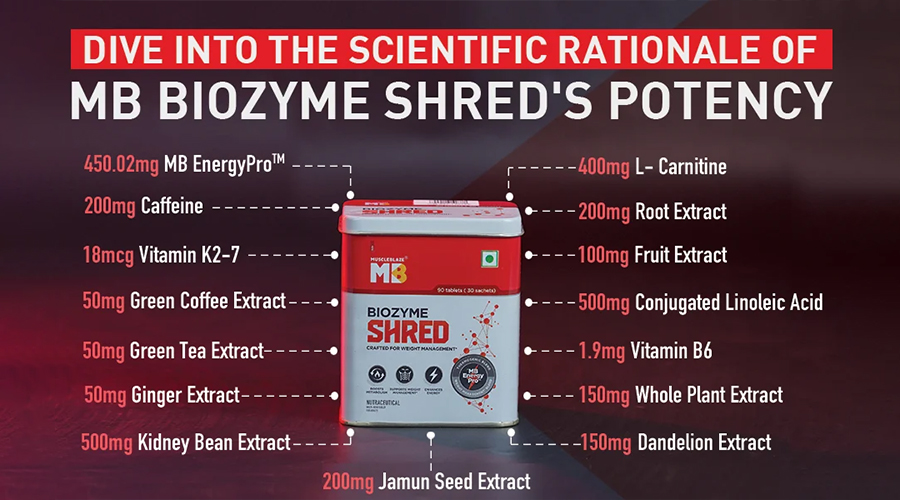
                              Going too low or below 14% can lead to a lot of health issues, like irregular menstrual cycles. bone density loss and low energy. Every woman’s body responds differently, so focus should be on feeling strong and staying fit rather than chasing your ideal number on the weighing scale. You can support your fat loss with a MB Shred or L Carnitine.

                              Read More: Why Tracking Your BMI is Just Not Enough

                              Takeaway

                              Your body fat percentage is a far better indicator of health and fitness than your weight alone. It helps you understand your true body composition and guides smarter training, nutrition decisions and realistic health goals. This is a great measure to understand your fitness in a longer run.

                              This is a far better health and fitness indicator than your weight alone. It helps you understand your true body composition and guides smarter training and nutrition decisions. Instead of obsessing over the scale, track your body composition over time. Your weight might stay the same while your body fat decreases, and that’s real progress.

                              Why You’re Always Tired

                              Hello Ziddis! We all experience one of those days when everything feels like a task, and you are just tired. But what if these days happen often? Is that still healthy or normal? Many people experience constant fatigue even though they are trying to maintain a good lifestyle or do sedentary work all day. The truth is, being tired is not just about lack of sleep, but a mix of lifestyle choices you make, like your food and nutrition, habits and recreation, as well as your workouts and work.

                              This one is for all of those!

                              Constantly Feeling Tired

                              Read this list and check which ones feel like something you experience often

                              • Waking up tired
                              • Feeling sleepy all the time
                              • Feeling sluggish
                              • Experiencing brain fog at work
                              • Not having enough energy to work out anymore
                              • Losing interest in most of the activities
                              • Keep tossing and turning in the bed

                                If most of these made you stop and think, “Oh, this is so me!” it’s time you take it seriously and understand the root cause of it.

                                All of these symptoms are signs your body is giving you. These signs mean that your body is:

                                • Tired
                                • Not getting enough or quality sleep
                                • Going through mental or emotional stress
                                • Have any nutrient deficiency, like low iron or lack of Vitamin B12 or Vitamin D.
                                • Is dehydrated
                                • Over-exerted physically

                                  Fatigue During Working Out

                                  When you work out, you are expected to feel strong and refreshed, not wiped out and hazy for the rest of the day. If you experience fatigue during working out, it could be a sign that:

                                  • You are overtraining
                                  • You are not prioritising rest and recovery
                                  • You might be skipping meals before or after hitting the gym
                                  • You might have an underlying condition like thyroid, anaemia, or blood sugar issues.

                                    Solution for Constant Fatigue

                                    These issues can make you feel tired quickly.

                                    Solution for Constant Fatigue

                                    There is a solution for everything, and for constant fatigue, we have many solutions.

                                    • Fix your sleep schedule and make sure you get 8 hours of quality sleep
                                    • Eat for energy. Focus on whole grains, colourful veggies, lean proteins and healthy fats
                                    • Stay hydrated
                                    • Do not overtrain and make sure to have designated recovery days every week.
                                    • Get tested for deficiencies.
                                    • Add vitamin supplements and omega-3 capsules to your diet
                                    • Meditate to control stress and brain fog.

                                      Read More: Why Sleep Might Be the Most Underrated Fitness Tool

                                      Takeaway

                                      The best thing you can do for your body is listen to it. Listen to what it needs. Better nutrition, less stress and quality sleep. Instead of pushing through exhaustion and fatigue, take a step back and give your body some much-needed rest. With the right balance comes the right fitness.

                                      Why Recovery Days Are Non-Negotiable

                                      Hello Ziddis! When it comes to fitness, many people believe that the harder they train or if they train more frequently, they can see better and faster results. With this mentality, they skip resting and put their life and soul into working out. But the truth is that progress does not really happen during the workout. It actually happens when you are resting. So if your goal is building muscle or losing fat, or improving endurance, rest days are just as important as your training days. In fact, skipping the recovery days can increase the chances of getting burnt out, injured or stunting progress. Here is why recovery days are non-negotiable.

                                      Benefits of Active Recovery

                                      Active recovery means keeping your movement low-intensity. This helps promote blood flow, and your body can heal while you still stay lightly active. But the rest days don’t mean lying on the couch all day (unless that is exactly what your body needs). Rest days are days on which your body focuses on making up for the wear and tear, just like how it does when you are recovering in sleep.

                                      Here are some benefits of active recovery:

                                      • Improved circulation of blood, oxygen and nutrients
                                      • Reduced soreness
                                      • Mental reset
                                      • Better flexibility
                                      • More mobility
                                      • Reducing the tightening of muscles and joints.

                                        Some things you can do during your active recovery are:

                                        • Walking
                                        • Slow cycling
                                        • Gentle yoga
                                        • Mobility work
                                        • Light stretching
                                        • Relaxing swim
                                        • Foam rolling
                                        • Massages

                                          Muscle Recovery on Rest Days

                                          If you skip a rest day, your body won’t get a chance to repair and rebuild. This can stall your progress, lead to muscle breakdown or get you injured.

                                          Muscle Recovery on Rest Days

                                          Here’s how you can support muscle recovery on rest days:

                                          • Have good quality sleep for 7 to 9 hours
                                          • Hydrate well to flush out toxins and reduce soreness
                                          • Eat enough protein and nutritious food
                                          • Consider light stretching
                                          • Get a massage done

                                            Importance of Rest Days for Muscle Repair

                                            After a long and intense workout session, your muscles experience tiny tears. These are normal and necessary for growth. Recovery is when those tears repair and rebuild stronger.

                                            Here is what your body is actually doing for muscle recovery during rest days

                                            • Replenishing glycogen stores
                                            • Repairing and building muscle fibres
                                            • Reducing inflammation
                                            • Rebalancing hormones like cortisol and testosterone

                                              You don’t have to take a full week off, but a 1-day rest each week is important for long-term results. It’s not laziness but a strategy.

                                              How Rest Days Improve Motivation

                                              Rest day is not just physical, but also a mental need. Your brain asking for a break should be taken as a sign. These are the rest days that can improve your mental health and motivation:

                                              • Prevent burnout
                                              • Reignite excitement for your next workout
                                              • Maintain consistency over the long term
                                              • Avoid negative feelings like shame, dread, guilt or laziness to be associated with movement

                                                Read Also: Does Heat Affect Muscle Recovery? What You Need to Know

                                                Takeaways

                                                In the world of fitness, rest is not the opposite of a workout but what prepares you to work out better. Whether it is a full day of rest or something as basic as quality sleep. So the next time you feel your body is giving you a hint to slow down, sport your favourite tank tops, wear that comfy joggers, and indulge in something light for the day, like a relaxing yoga session.

                                                So instead of feeling guilty about taking a day off, see it as a training tool to help you get stronger. Your body and mind will thank you.