Generic selectors
Exact matches only
Search in title
Search in content
Post Type Selectors

Level up your fitness journey with MuscleBlaze

MUSCLEBLAZE

Gym Equipment Guide for Beginners

Hello Ziddis! Gyms are not everyone’s heaven if starting new! Walking into the gym for the first time, checking out the rows of machines, figuring out how each works and getting acquainted with the weights all sound overwhelming. But the good news is you don’t need to figure it out all at once. Understanding a few key tools, how to use them, and some basic safety measures can help you feel more confident, stay injury-free and make the most of your gym time!

Here’s all that you need to have a stress-free workout as a beginner

Gym Equipment for Beginners

If you are new to working out at a gym, you can start with equipment that is easier to use and beginner-friendly and slowly make your way to more complex ones. The goal is not to try and use every gym equipment but to find which one works best for you. Here is your cheat sheet to understanding what each can do:

  • Treadmills: Perfect for warm-ups, cardio and building stamina
  • Stationary bikes: Great for low-impact and self-controlled cardio and gentle on joints.
  • Resistance band: Great for warming up and adding resistance without heavy weights
  • Dumbbells: Ideal for starting strength training basics with the weight of your choice
  • Cable machines: For smooth and controlled workouts like strength training
  • Smith machines: Guided barbell path for safer squats, presses and lunges

    Gym Equipment List for Beginners

    Machines at the gym are not always complicated; they just might feel intimidating. Here are some of the most common and useful equipment you can find in a gym, and as a beginner, this is all you need to work with.

    1. For Cardio:

      • Treadmill for walking, jogging or even running based on your speed preference
      • Elliptical trainer for low-impact but full-body cardio
      • Stationary cycling is a great way to get your cardio and keep your joints well-oiled.

      2. Free Weights

        Dumbbells, barbells and kettlebells are all about strength training. Start with lighter weights till you get the hang of it and understand your strength.

        3. Strength Machines:

          Leg press for your lower body, lat pulldown for upper back and lats and chest press for chest, shoulder and triceps. It is simple, calibrated and saves you from the hassle of working out your balance like how it is with free weights.

          4. Functional Training Tools:

            • Medicine balls are great for core training and dynamic movements
            • Battle ropes are your best friend in high-intensity training
            • The TRX suspension trainer is used for bodyweight strength and stability training.
            • Knowing these can get you started on the right foot.

            Beginner Gym Equipment Guide

            If you are a beginner at gym training, you can start small. You have nothing to prove to others or yourself. Use the first few days to get acquainted with the equipment. Here’s a basic beginner-friendly gym equipment guide:
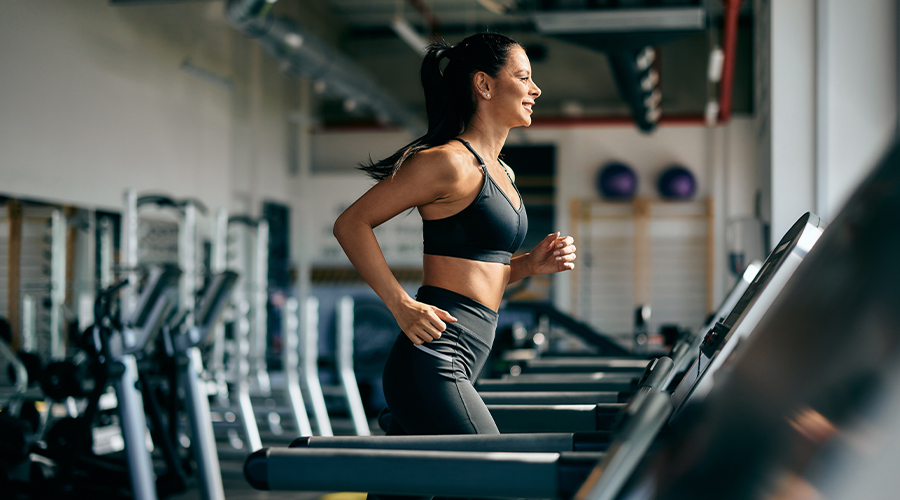
            Beginner Gym Equipment Guide

            • Start with warm up as a treadmill or stationary cycling, for 5 to 10 minutes
            • Follow it up with light stretching. You can go as is or use your resistance band for this
            • Dumbbells, barbells and kettlebells can be used for strength as well as core training
            • Make sure to use your yoga mat for exercises that require you to be on the floor
            • Make sure to keep your weights back on the rack
            • Do not hog one machine for a long time, especially during rush hours
            • Cool down is important too, and you can do the same light stretching as you did during warm-up
            • Do not overestimate your strength on machines.

              How to Use Gym Equipment Safely

              Your safety comes first, especially when working with weights or machines. Here are some basics to ensure you have a safe workout with gym equipment:

              • Choose not more than 3 to 5 pieces of equipment per session
              • Begin with light resistance
              • Focus on form and controlled movements
              • Make sure the lifting straps you are using are safely fastened and have a strong grip.
              • Ask for help, especially from a trainer.
              • Sharp pain is a warning sign to stop immediately if something feels wrong.

                Read Also: Gym Etiquette: The Unsaid Rules & More!

                Takeaway

                The gym can feel intimidating at first, but it is simple, and all you need to do is give yourself the time to get used to it. Start with something easy and beginner-friendly. You don’t need to do and learn everything all at once. Remember to ask for help whenever you need. So pick your favourite fitness accessories, be it your duffle bag, comfy joggers, easy-going shaker bottle or reliable shoes and get started! With a little practice and patience gym can be your new happy place!
                How to Stay Consistent With Home Workouts

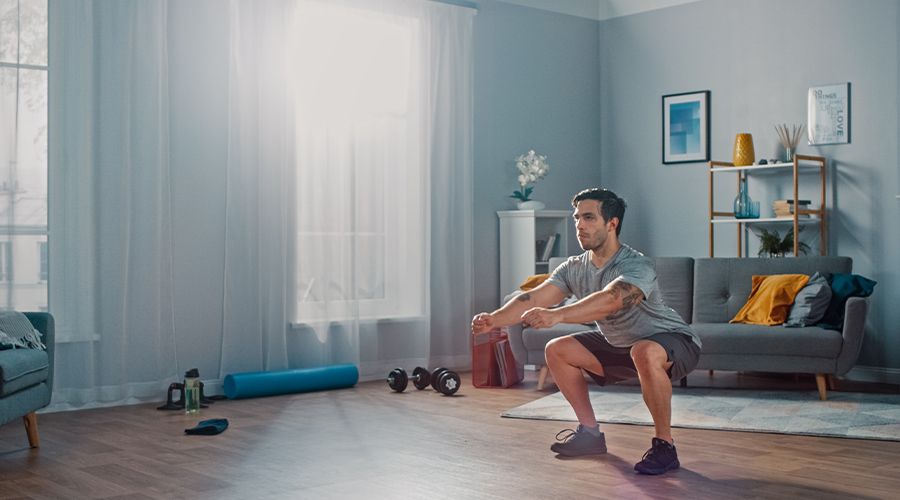
                Hello Ziddis! Time for a show of hands for all those who want to take care of themselves, work out and become fitter but are so busy they have no time to hit the gym! We hear you! In a world that is getting busier by the hour, hitting the gym feels possible once in a leap year. But one solution for all our busy readers is home workouts! No need to spend extra time travelling, no intimidating first timer feeling, no crowd and the comfort of your own space. Despite these advantages, one might not be as consistent as expected. It could be a struggle to pull yourself off your couch and lay down your yoga mat. But once done, it is the only way forward from there. Let’s help you get started and stay consistent.

                Do Home Workouts Work?

                Absolutely, provided you are consistent with them and doing them correctly.

                Home workouts gained popularity during the COVID-19 pandemic, when the world came to a standstill and people were left with more time to focus on their health. Home workouts can be very effective. Even as effective as gym workouts, if done the right way. You can improve your strength, flexibility, endurance and even muscle mass by just using body weights, resistance bands and a few simple tools like dumbbells and kettlebells. Studies show that people who stick to bodyweight and resistance training, even if it is at home, experience similar benefits to those who work out in the gym. The key is improving your intensity and staying consistent. Whether it is a 20-minute HIIT session, yoga or strength training, your body cares more about how you train instead of where you are.

                Home Workout Plan

                A major reason why people can not stick to their fitness routine is that at home, they lack structure. Going to the gym, being among other people, makes you feel responsible for performing your tasks. At home, you could laze around and justify it. Here’s how you can start your home workouts with a clear plan:

                • Set specific goals for your workouts like losing weight, toning up, building muscle or improving your endurance. Your goals will determine your workout type, duration and frequency.
                • Choose your days and put exercises for those days. Start with working out 3 to 4 times a week, and then increase the frequency based on your progress.
                • Mix it up! A good weekly split looks like a mix of two types of workouts in a day. For example, a full boy workout with strength training or a core workout with cardio. You can pair your rest day with yoga too to keep it lightly active yet relaxing.
                • Use a timer or a tracking app. Use tools like Tabata timers or workout apps to guide you through your sessions and reduce the decision fatigue will picking your next exercise.
                • Create a dedicated space for your home workouts. Even if you are used to setting your yoga mat in a corner, keep that corner consistent to signal your brain that it is workout time. This helps build a habit and focus.

                  Core Workouts at Home

                  Core Workouts at Home

                  Your core is more than just abs. When you work on your core, you are not working out for six packs, but for your overall health. Your core includes your abdomen, lower back, hips and obliques. A strong core stabilises your body and reduces the risk of injury.

                  If you have just 10 minutes, make sure to do this simple circuit at home for your core.

                  • Plank for 1 minute
                  • Russian twists for 40 secs
                  • Leg raises for 40 seconds
                  • Bicycle crunches for 40 seconds
                  • Superman hold for 1 minute.

                    Repeat this circuit twice. Keep 30 30-second resting gap between the sets. Note that there is no rush. These durations are ideal but not compulsory. Focus on control and breathing to truly engage the muscles.

                    Workout Routines for Beginners at Home

                    If you have decided to start working out at home, it is important that you don’t overwhelm yourself in the very beginning. Consistency is more important than intensity. Here’s a beginner-friendly workout template:

                    • Body weight squats- 15 reps twice
                    • Incline push-ups on a table or wall- 12 reps twice
                    • Glute bridges- 15 reps thrice
                    • Wall sit- 30 seconds thrice
                    • Marching in place- 1 minute twice.

                      While you just begin your workout journey from the comfort of your home, you would need to keep a few things in mind:

                      • Keep your workouts short. 15 to 20 minutes is ideal for beginners
                      • Track your progress weekly.
                      • Don’t stress if you miss a day, but don’t miss two in a row
                      • Celebrate your small wins like increasing reps or visible changes in your body, better stamina or even better sleep.

                        Supplements for Home Workouts

                        It does not matter if you go to a gym or work out at home. Your body could use some additional support. But at the same time, you don’t need a cabinet full of powders. Here are a few gym supplements you can have on your shelf:

                        • Protein powder- Whey or vegan, depending on your dietary restrictions
                        • Creatine monohydrate for strength and power during intense workouts
                        • Electrolytes for making up for lost minerals
                        • Omega-3 or multivitamins for overall growth and recovery, and fill the gaps in nutrition.

                          Read Also: Best Workouts for Busy People: No Gym, No Problem

                          Takeaway

                          Staying consistent with home workouts doesn’t require fancy equipment or hours of training in the gym. All that you need is a realistic and sustainable plan, loads of discipline and willingness to become a better and fitter version of yourself. So roll out your mat, tie those laces, and show up for yourself at home.

                          Smart Snacking for Fitness Enthusiasts

                          Hello Ziddis! Are you snacking while reading blogs about getting your life together at 3 in the morning? Stressing chomping your way through it might not be the best idea. But snacking is! Snacking has got its bad reputation because it is often not done right. But when done right, it can help better your metabolism, give you ideal weight management cues and keep your mood better! Smart snacking is getting popular, but does it mean following a recipe that promises to be a lazy person’s snack recipe and ends up using half your kitchen’s ingredients to make only the sauce, while the appetiser is waiting for the oven to preheat?

                          We promise we won’t make any unrealistic promises and suggest the best kinda in-between meals to reduce guilt and boost your fitness!

                          Are Healthy Snacks a Myth?

                          Healthy snacks are not a myth; you just haven’t found the one that suits your taste and budget. A healthy snack combines the satisfaction of having something tasty with satisfying cravings while providing actual nutritional value. Look for red flags in each snack, and you will find the one you can make the most out of!

                          Red flags to look out for in the so-called healthy snacks are:

                          • High levels of sugar
                          • Refined flour marketed as wheat
                          • Low protein content
                          • Low fibre content
                          • Full of fats
                          • Extremely processed
                          • Excessive salt
                          • Leaves you feeling thirsty

                            You need to find snacks that give you steady energy, not a burst of energy with a sugar spike and a crash.

                            High Protein Snacks

                            Protein is necessary in every meal you have. Even snacks! Muscle repair, satiety and metabolism are dependent on your protein intake. Making sure that what you are snacking on is a high-protein snack can solve half your health concerns. Some of the delicious high protein snacks are:

                            • Greek yoghurt with berries
                            • Fruit + nut butter (like banana with peanut butter)
                            • Roasted chickpeas
                            • Homemade trail mix (watch the portion!)
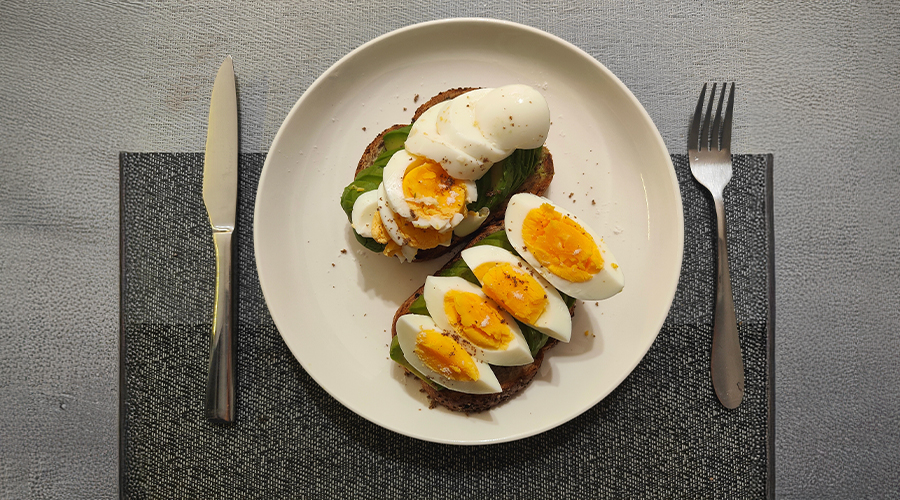
                            • Boiled eggs with a dash of chaat masala
                            • Protein bars (look for those with 10–20g protein and low sugar)
                            • Tuna on whole grain crackers
                            • Whey protein shake or smoothie
                            • Grilled tofu cubes or paneer tikka bites
                            • Oats protein shake
                            • Fit foods like muesli

                              When you get cravings or hunger pangs are working out, snacking on these high-protein snacks can help you with your post-workout recovery and satiety.

                              Low Calorie Snacks

                              If you are on a journey to manage your weight, avoiding heavy snacks and choosing low-calorie snacks is an important shift you need to make. Try these options, which are under 150 calories, making them a filling yet low-calorie snacking option:

                              • Cucumber or carrot sticks with hummus
                              • Air-popped popcorn (skip the butter!)
                              • Watermelon slices with a pinch of salt
                              • 1 small apple with cinnamon
                              • Buttermilk with roasted seeds

                                Even though these are great snacking options, keep a check on portion control.

                                Low Carb Snacks

                                Low Carb Snacks

                                For those trying to keep their carb intake in check for weight loss or muscle building, you would need to check for snacking options that do not spike your blood sugar. These are some of the best low-carb snacks you can have:

                                • Avocado with lime and salt
                                • Boiled eggs
                                • Sweet potato chips (baked at home)
                                • Cheese cubes with cucumber slices
                                • Nut butters on celery sticks.

                                  Your heart and stomach would be happier if you snacked on these.

                                  Read Also: The Snackification of Supplements: Is Everyone Losing Focus?

                                  Takeaway

                                  Smart snacking and healthy snacking are just the same thing. If you know your fitness goal, you can easily understand what snacks are right for you. Train your mind to read the labels and analyse the needs of your body. Giving in to cravings is not a bad thing; it is not understanding how to deal with the cravings that hurt your body and your fitness goals. Prioritise protein, fibre, and whole foods, and try to keep ultra-processed snacks to a minimum.

                                  The Power of Breathwork in Fitness

                                  Hey Ziddis! When we talk about fitness, what is the first thing that pops up in your mind? Abs? Reps? Strength training? Cardio? Calories? Diet? Protein? But we are missing out on the most important one! Breath. In Sanskrit, breath is called Prana, which means life (fun fact: that is how the name pranayam came to exist for the breathwork yoga). Knowing about breathwork or conscious breathing can amp up your workouts and your recovery, too. There are tonnes of benefits to incorporating breathwork in fitness. No matter whether you are lifting weights, doing yoga, running, engaging your core or simply recovering, how you use your breath has an impact on your performance and progress. Let’s check out how!

                                  Breathwork Fitness: Why It Matters

                                  Your breath is directly tied to your physical performance, endurance and focus! Yet, most of us breathe shallowly and unconsciously, especially under stress or physical exertion. In fitness, controlled breathwork helps to:

                                  • Maintain the oxygen supply to muscles
                                  • Regulate heart rate
                                  • Improve core stability
                                  • Improve mental clarity
                                  • Reduces stress
                                  • Keeps you calm under stress

                                    Here is how breathwork helps in workouts:

                                    • During weightlifting, inhaling on the eccentric phase and exhaling on the concentric phase can help you stay stable and exert more force into your workout.
                                    • In cardio, rhythmic breathing can help you go for longer, maintain your endurance and prevent early fatigue.
                                    • Understanding how to breathe during yoga or meditation can be an ace card for your fitness, not just physical, but also mental.

                                      Breathwork Benefits

                                      Whether you are an athlete, looking to improve your workouts or simply starting your fitness journey, breathwork has many benefits in store for you.

                                      • Boost strength and power.
                                      • Improve recovery
                                      • Reduce workout strain
                                      • Reduce anxiety and stress
                                      • Clear up mental fog
                                      • Keep you more focused during and after workouts
                                      • Improve your endurance and efficiency
                                      • Put your body in a focused and relaxed state
                                      • Improve mind-muscle connection
                                      • Aid in injury-free workouts
                                      • Delays fatigue
                                      • Leaves you feeling energised after working out, not drained.

                                        Breathing Exercises to Try

                                        The best part about breathwork exercises is that you don’t need any fancy equipment, a huge space, or time to get ready. Just a few minutes a day, a little space to sit, and you can get started with these simple breathing exercises:

                                        1. Box Breathing:

                                          It is great for recovery, focus and also used even by athletes to reduce stress and improve focus. It is easy to do. You inhale for 4 seconds → hold for 4 seconds → exhale for 4 seconds → hold for 4 seconds. Repeat this for 1 to 3 minutes post-workout or before going to bed.

                                          2. Diaphragmatic Breathing:

                                          This technique is usually used for core activation and relaxation. It strengthens your diaphragm and helps train proper breathing mechanics. Here’s how you do it:

                                          Lie down or sit comfortably → Place one hand on your chest and another on your belly → Inhale deeply through your nose and feel your belly rise, not your chest → Exhale slowly through your mouth.

                                          Practice this for 5 to 10 minutes daily, ideally before working out.

                                          3. Performance Breathing:

                                          This is best for strength training, heavy lifting or high-intensity movements.

                                          You inhale deeply before the movement and brace your core as if preparing for a punch. Then you exhale forcefully during the pushing, pulling or lifting movement to increase your intra-abdominal pressure and protect your spine.

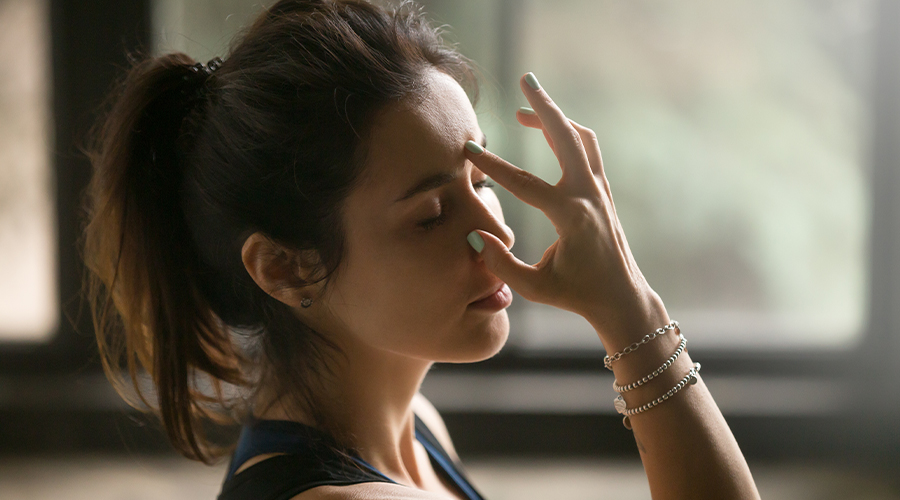
                                          Alternate Nostril Breathing

                                          4. Alternate Nostril Breathing:

                                          This is done during yoga or meditation to keep you calm, balance your energy and improve mental clarity, all while lowering your heart rate.

                                          You close your right nostril with your thumb and inhale through your left. Then you switch by closing your left nostril with your ring finger and exhaling through your right. Continue this by alternating between nostrils for 2 to 4 minutes to feel calm and centred.

                                          Takeaway

                                          Breathwork is not just for yogis; it is a powerful tool to improve your fitness and performance. Along with the right breathing techniques, gym supplements like creatine can also help in improving your performance. Remember that your breath is free, always with you and always supporting you.

                                          How to Stay Fit During Your Period

                                          Hello Ziddis! Periods have always been voted as the worst days to expect being productive by many people. Periods are challenging days of the month when you don’t feel like even getting out of bed at times, let alone hopping on a treadmill or lifting kilos. While it is normal to feel low on energy and motivation during your periods, there are ways you can stay active and, surprisingly, these ways can help ease your cramps, improve your mood and boost your energy levels too! The key is to listen to your body and understand what it feels like and needs during those days.

                                          Let us understand how our approach towards fitness during your period must be, what exercises are best, what to avoid, and how to adjust your nutrition for comfort and energy.

                                          Working Out During Period

                                          Can you work out during your periods? Yes, most definitely! Should you work out during your periods? Depends on what your body tells you! In most cases, your body benefits from working out during periods. Your hormone levels fluctuate during menstruation, and that can lead to fatigue, mood swings and lower endurance. This does not mean you should skip working out, but it means you must adjust your intensity. Here’s how:

                                          Listen to your body. If you feel drained or have cramps, avoid working out and rest or go for lighter movements.

                                          • You can shorten your session to 20 minutes instead of 1 hour.
                                          • Wear comfy clothes like cute tank tops and comfortable joggers.
                                          • Stay hydrated
                                          • Have healthy, nutritious and warm food.
                                          • Try including flax seeds and pumpkin seeds in your diet.
                                          • Try some relaxing yoga or meditation to ground your mind and deal with mood swings.

                                            Benefits of Exercise During Period

                                            During periods, you often prefer curling up under your blanket and having your comfort food. This is a ritual we all follow. But sometimes light to moderate exercise can be a better option than this. Here’s why:

                                            • Exercise reduces cramps and bloating by increasing blood flow and releasing endorphins, which are your body’s natural painkillers.
                                            • Exercising can boost your mood and help you fight fatigue.
                                            • Working out can help you channel your energy and ease PMS symptoms like irritability and anxiety.
                                            • Skipping workouts during periods can derail your consistency and progress. By only showing up for your workout session, you can stay on track with your fitness goals.

                                              Core Exercises During Period

                                              You might think that ab workouts would be off limits during your periods. But no. They can be done. In fact, some core exercises can relieve lower back and abdominal pain and help with better circulation in the pelvic area. Though it is important to avoid anything too intense.

                                              Some of the best core-friendly exercises during periods are:

                                              • Pelvic tilts- Lie on your back, bend your knees, placing your feet parallel on the ground and gently tilt your pelvis up and down to ease lower back tension.
                                              • Cat-cow stretch- This helps give a good stretch to your spine and relief from cramps.
                                              • Dead bugs- This strengthens your core without strain.
                                              • Bird-dog- This exercise helps engage your abs and back with minimal pressure on the lower abdomen.
                                              • Bridge pose- This helps activate the glutes and core while reducing pelvic tension.

                                                These are basic, low-intensity workouts that you can do even during your periods so that they help you get some relief from cramps and uplift your mood.

                                                Read Also: Things to Know About Exercising During Your Period

                                                Nutrition Tips During Your Period

                                                Nutrition Tips During Your Period

                                                Fueling your body the right way is more important than ever during periods. Your body is going through a sensitive time, and these foods can make you feel much better:

                                                • Iron-rich foods like leafy greens
                                                • Magnesium-rich foods like nuts and dark chocolate
                                                • Complex carbs like oats, sweet potato or quinoa
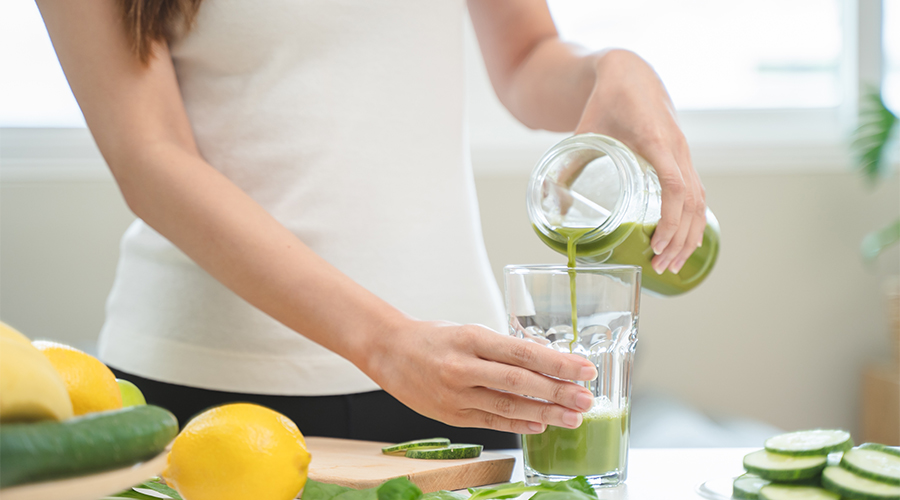
                                                • Hydrating foods like watermelon, cucumber
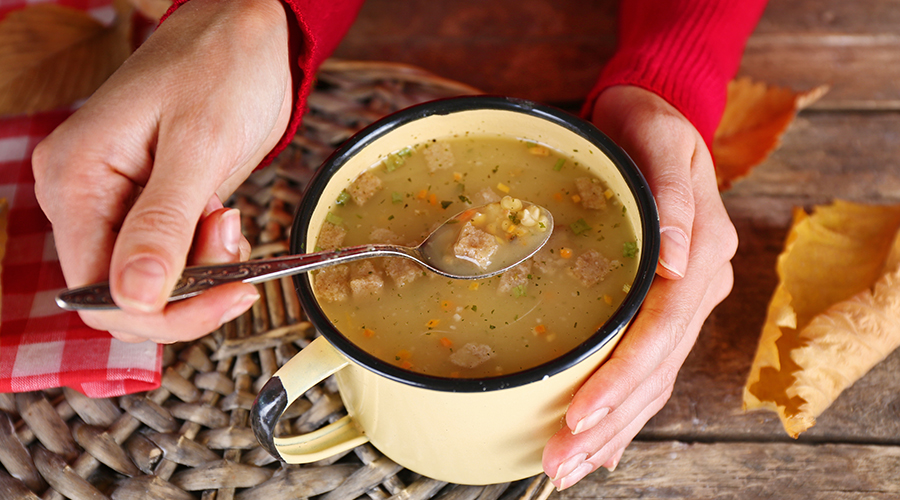
                                                • Warm foods like soups

                                                However, there are certain foods that you should avoid during your menstrual cycle.

                                                • Excessive caffeine
                                                • Salty and processed foods
                                                • Excess sugar

                                                  Periods are a time when giving in to our cravings is justified, so instead of cutting them off, you can balance them with healthy food.

                                                  Takeaway

                                                  Staying fit and active during your periods might not be a walk in the park, but a walk in the park can make it so much easier. It is just about listening to your body and giving it a little stretch. Be gentle with your body and make sure you do not push your limits. Even some yoga, stretching or a leisurely walk can be your bestie during menstruation.

                                                  Staying fit during your period isn’t about pushing through pain, but giving your body what it needs.

                                                  Fitness Myths That Are Holding You Back

                                                  Hello Ziddis! You must have heard “no pain, no gain”, or someone told you that in 100 crunches your tummy will have magically converted to six packs. Fitness advice is mostly free and available almost everywhere. The one you get from social media is especially misleading. Not all of it is rooted in science, and you would either need to be a scholar in fitness or go deep down a rabbit hole to check your facts! Some of the most common fitness beliefs are myths that need to be shunned before they become the reason for your stalled progress. Let’s bust them together!

                                                  Famous Fitness Myths

                                                  Let us understand which are some of the famous fitness myths that have been passed on for generations like some gym heirloom:

                                                  • Lifting weights can make you bulky: This is a common one among women who go to the gym. The truth is, weightlifting can make you stronger and help build lean muscle. You will not end up looking manly and bulky because of it. Weightlifting tones and strengthens your body, no matter your gender. It also boosts your metabolism without making you bulky.
                                                  • Crunches will give you a flat stomach: There is no sure-shot way of spot reduction when it comes to losing fat. A calorie-deficient diet and a full-body workout are recommended to reduce overall fat.
                                                  • If you sweat more, you burn more fat: Sweating differs from person to person. It is essentially your body’s way of cooling down and has no connection to burning fat. A drenched t-shirt can mean you have had a good workout session at best.
                                                  • You need to work out every single day:  Overtraining often leads to injury and fatigue. 3 to 5 workout sessions per week are good enough, but do not miss a rest day.

                                                    Common Fitness Misconceptions Spread by Social Media

                                                    If your source of fitness advice is Instagram, TikTok or a random fitness guru on YouTube, you are setting yourself up for disappointment. Social media can give some good advice, but most of these are either generative prompts or extremely personal to their fitness. Your body is different from theirs, so it is not necessary that their fitness tricks would work for you too. Some common fitness misconceptions you must steer clear of are:

                                                    • You must detox or do a juice cleanse to reset your body
                                                    • If you are skinny, you are fit
                                                    • You need to have only protein in your diet
                                                    • Building muscles is the only glow-up you need
                                                    • If you can lift heavy weights, you are fitter than the rest
                                                    • Workout makes you immune to all health disorders.

                                                      Common Misconceptions About Exercise

                                                      The spread of misconceptions is not just to be blamed on social media. Sometimes, people around you, your gym mates or even people who have never seen a gym from inside would give you advice. Most often than not, they are common misconceptions about exercising, and you must disregard them. Here are some:

                                                      • You must feel sore after every workout. As you train harder, you get used to the limits and no longer feel sore. This means progress, not a halt.
                                                      • Cardio is the only way to lose fat. The truth is spending hours on a treadmill is not going to burn your fat, and some people think this will work because that’s the only knowledge they have about gyming.
                                                      • You must stretch only before workouts. A stretching post-workout session is equally important

                                                        Common Fitness Misconceptions

                                                        Workout Myths and Facts

                                                        Let us have a face-off of myths and facts. Whether you’re new to fitness or a seasoned fitness boss, you can use this as your cheat sheet. Take a shot of your protein shake every time you hear people say these controversial statements, which are actually myths, and by understanding the facts section, you can counter such people or just know what is right for you! Here we go:

                                                        MythFact
                                                        You need to do fasted cardio to burn more fatFasted workouts may burn slightly more fat during the session, but total daily fat loss depends on overall intake and activity
                                                        Machines are safer than free weightsMachines can be helpful if you are a beginner or struggle with balance, whereas the free weights help engage more muscles and improve overall strength.
                                                        If you stop working out, your muscle turns to fatMuscle and fat are different tissues. You lose muscles because of gaps in your workout, but the fat in your body is only because of excess calories.
                                                        Only young people benefit from weight trainingYour age has nothing to do with your fitness training. Respecting your age and body limits is important, but some amount of weight training is required at all ages to stay fit.

                                                        Read Also: 10 Biggest Fitness Myths of All Time

                                                        Takeaway

                                                        So Ziddis, what was our biggest lesson today? Not to let others’ lack of knowledge be a hindrance to your growth! 2025 is the year of throwing away the outdated opinions, fact-checking everything you see on social media and listening to your body! Pain is not always gain. Keep a check on yourself and your progress instead of setting unrealistic goals and ending up injuring yourself.Progress is about doing the right thing, the right way! So pull up your comfy joggers, fill up your shaker bottle and hit the gym with a mind clear of misconceptions