Generic selectors
Exact matches only
Search in title
Search in content
Post Type Selectors

Level up your fitness journey with MuscleBlaze

MUSCLEBLAZE

The Best Way to Stack Your Supplements for Maximum Effect

Hello Ziddis! Have you been thinking about serious muscle building or boosting endurance, or simply improving your overall health? You have likely already tried a few supplements in your daily routine. But are you using them the right way? Let us understand what supplement stacking means and how to do it in the most efficient way.

Hello Ziddis! If you’re serious about building muscle, boosting endurance, or simply improving overall fitness, you’ve likely already added a few supplements to your daily routine. But are you using them in the most effective way?

Supplement stacking—combining multiple supplements to enhance performance and results—can be a game-changer when done right. Let’s break it down so you get the most bang for your buck (and gains!).

Supplement Stack: What Is It?

Supplement stacking is combining multiple supplements to improve your health and fitness. This can be a game changer, provided that the supplement stack, i.e. the group of supplements you take with each other, complement each other’s benefits instead of negating them.

A supplement stack works because it relies on multiple supplements, each contributing to a comprehensive approach to health. This approach can boost your energy, repair your muscles, build your endurance, aid in metabolism, and support recovery, which can be unrealistic when relying on just one supplement. One supplement can help you only to a certain level, after which you will need to support the other functions by bringing in a supplement for the given purpose.

Let’s show you with an example of a common yet highly efficient supplement stake:

  • Whey protein for muscle repair and growth
  • Creatine monohydrate for strength and power
  • BCAAs for preserving muscle mass and better recovery
  • Multivitamins for your overall health and/or any deficiencies
  • Omega-3s for your joint support and reduced inflammation

When you stack the supplements that support each other, they amplify your fitness.

Supplement Stack for Athletes

Athletes have unique needs that depend on their specific sport. Whether you are into endurance running or competitive lifting, the right stack fuels your performance and improves your recovery speed.

  • For endurance athletes like runners, cyclists, etc., these supplement stacks work best:
  • Electrolytes for maintaining hydration level and avoiding cramps
  • EAA for improved recovery
  • Beta-Alanine for stamina and reduced fatigue
  • Carb supplements for quicker energy for long sessions of training
  • Whey isolate or plant protein, depending on dietary preference

Supplement Stacking for Optimal Performance

Having a schedule for supplement stacking will help you optimise performance.

Morning:

  • Multivitamins
  • Fish oil
  • Protein to complement your breakfast

Pre-workout around 30 to 40 minutes before your gym session:

  • Pre-workout formula
  • Creatine
  • Beta-Alanine

Between your workout

  • BCAAs or EAAs
  • Electrolytes

Post-workout, around 30 to 60 minutes after your gym session

  • Whey protein or recovery shaker

Evening

  • Magnesium
  • ZMA
  • Casein Protein

Being consistent with your supplements is the only way you can see results. Stick to a plan for at least 4 to 6 weeks before evaluating the results.

Read Also: The Psychology of Supplementation: Are You Addicted to the Ritual?
Supplement Stack for Strength Training

Supplement Stack for Strength Training

If you are a gym-goer, power athlete who is into strength building, some of these gym supplements can stack up well for you:

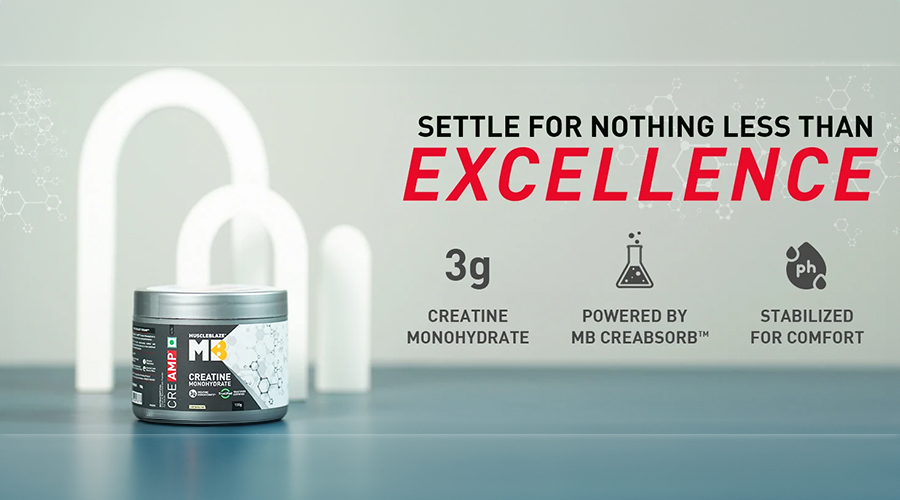
  1. Creatine Monohydrate for its explosive power to support your strength building
  2. Pre-workout with caffeine and citrulline malate for focus and pump
  3. Magnesium for better sleep
  4. Fish oil for anti-inflammatory support for heavy lifting, especially
  5. Ashwagandha for reducing stress and hormonal balance.

This stack supports performance, recovery, and long-term muscle building.

Takeaway

Stacking supplements is not about taking more, but taking the right thing at the right time. Whether you are an endurance athlete, a strength trainer or a heavy lifter, your supplement stack should align with your goals. Always read labels, follow the dosage and consult a professional if unsure.

So Ziddis, remember supplements support your training, but do not replace nutrition with it.
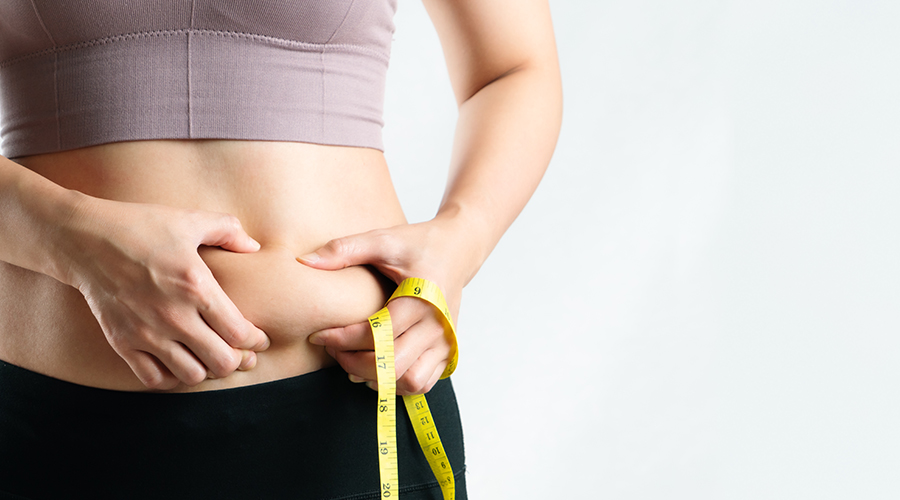
How to Track Your Fitness Progress Beyond the Weighing Scale

Hello Ziddis! The weighing scale is a frenemy we make in our fitness journey. It is our best friend when it tips our ego, but our worst enemy after a hearty meal. Is it really right to make it all about the number on your weighing scale? Here is how you can track your progress without having bouts of emotional turmoil!

Fitness Progress Tracking

Tracking your fitness progress is very important. You are working on your body, and that makes it change for the better. Tracking this always helps! It is not just about shrinking yourself but also about growing your strength, stamina, immunity, energy and confidence. Progress looks different for each of you, so depending on your goal, you must aptly track your fitness progress. The goal is often reflected in a mirror better than on a scale.

How to Track Fitness Progress Without the Scale

First of all, ask yourself what is your fitness goal. This is an important question to ask since this can unlock a new way of tracking your progress to stay aligned with your fitness goal. Here is how you can do it based on your goals:

  • To Look better: Take photos. A mirror does not lie. Keep a track of your transformative progress by documenting it in weekly or fortnightly photos. If you are going in the right direction, you will start seeing a visible difference soon.
  • If you want your clothes to fit you better: Notice how your old clothes fit you. It could be a pair of jeans or a dress tight at the belly, or even a tee that now fits well on your muscles. Even though not the most accurate way to track your progress, this way feels a lot more rewarding. Notice
  • To improve your strength: This can only be seen in the gym. Can you squat deeper or lift heavier now is the question you must ask yourself. This can be tracked by progressive overloading. Even small gains like going one more rep, can mean serious progress.
  • To improve your endurance level: Track if you can walk, run or jog without losing your breath. If you are feeling less tired while climbing the stairs, that is great progress.
  • Improve your mood and energy: Are you sleeping well? Feeling less stressed? The real win is when your fitness makes you feel good from within. This can not be measured on scales but only with true introspection
  • Improve your recovery: If you are feeling less muscle soreness and that vanishes sooner than before, that means your muscles are getting healed faster.
  • Lose those inches: If you want to have an inch loss at any specific spot on your body, you must keep tracking it with an inch tape.

    Alternative Methods to Measure Fitness Progress

    Alternative Methods to Measure Fitness Progress

    There are various ways you can measure your fitness progress now! Here are a few that people swear by:

    • Fitness apps and wearables: Smartwatches, fitness bands, fitness rings and even your smartphones can now track your fitness, be it your step count or your sleep pattern.
    • Fitness tests: Trying functional movement tests can help you test your physical fitness progress
    • Mobility and flexibility checks: Improved posture, deeper stretches, and better range of motion an indicators of better fitness levels.
    • Body measurements: Measure your waist, hips, arms and thighs every few weeks. Inch loss is a great way to track your fitness and is way more visible than the weighing scale.

      Benefits of Tracking Fitness Beyond Weight

      When you keep your eyes set on the weight, the number starts to become your biggest insecurity. It can push you to insanity or drive you to low self-esteem. By tracking fitness beyond weight, you:

      • Feel motivated for longer
      • Understand that scales don’t show energy or strength levels
      • Support a healthy mindset
      • Begin to see fitness as a lifestyle goal
      • Shift focus to function more than form
      • Reduce the stress and frustration attached to losing weight
      • Encourage yourself to be consistent
      • Adopt healthier habits

      Read Also: Why Sleep Might Be the Most Underrated Fitness Tool

        Takeaway

        So Ziddis, we are not asking you to throw away those scales, but understand that the scales are only a one-dimensional way of looking at your fitness. Your body has a story to tell, and you must embrace it. Every lap, every inch, every minute of your quality sleep counts. So sport those tank tops and those comfy joggers and let us jog towards our healthier selves, that is not obsessed with the number on the scale. Because real fitness is not always in digits.

        Electrolytes Explained: Why They Matter Beyond Workouts

        Hello Ziddis! You know how important hydration is for your body! But do you know who could help you with it? Electrolytes! Whether it’s an intense workout or post-run rehydration, electrolytes are your besties in your hydration game. They are not just for athletes, they are for everyone! Especially you, if you like us, forget to keep drinking enough water. Electrolytes are essential minerals that help your body function well every single day. From regulating nerve function to maintaining hydration levels, benefits of electrolytes work silently in the background to keep you energised and balanced.

        Let’s break them down and understand why these nutrients deserve a little more attention.

        Benefits of Electrolytes

        Electrolytes include sodium, potassium, calcium, magnesium, chloride, phosphate and bicarbonate. Lets discuss the benefits of electrolytes:

        • Hydration: They help balance fluids in and out of cells, which is very important not just during workouts but also in your daily life, especially during hot seasons.
        • Muscle function: Electrolytes support the contraction of muscles, even your heart muscles, which cause heartbeats. Ever had a cramp? Most probably, that’s because of low electrolytes in your body.
        • Nerve signals: Electrolytes help transmit electrical impulse that allows your brain to communicate with the rest of your body.
        • Energy levels: With optimum electrolyte levels, you are at the peak of your energy levels, too.
        • pH balance: Electrolytes maintain your body’s perfect acid-base balance and help the organs perform their functions better.

        Electrolyte Imbalance Symptoms

        You do not need to be thirsty to feel the effects of electrolyte imbalance. Most times, the dehydration strikes even before the effects start to show. Here are some common electrolyte imbalance symptoms:

        • Headaches and dizziness
        • Muscle cramps or weakness
        • Feeling sluggish, tired or fatigued
        • Irregular heartbeat
        • Confusion, brain fog and unclear vision
        • Nausea or vomiting
        • Excessive thirst or dry mouth

        Even a mild imbalance in your electrolyte levels can make your everyday activities tougher than they are.

        Electrolyte Imbalance Causes

        Electrolyte Imbalance Causes

        Electrolyte levels can shift due to many reasons. Some of the electrolyte imbalance causes are:

        • Sweating: Especially in hot weather or after workouts
        • Diarrhoea or vomiting: This causes fluid loss and can lead to drastic electrolyte drops
        • Fasting or dietary restrictions: Skipping meals is never a good idea, and neither is an unbalanced diet. This can reduce your mineral intake
        • Medications: Some medications, like diuretics and some antibiotics, can lead to electrolyte imbalance
        • Medical conditions: Kidney disorders, hormonal imbalance or diabetes can also disrupt your electrolyte levels.

        It is important to stay aware and proactive in combating electrolyte imbalance. Special caution is needed for all those who stay in hot and humid climate-prone areas, engage in intense physical activity or are recovering from any illness.

        Electrolyte Rich Foods

        All these talks about the effects of losing electrolytes might have worried you, but the good news is, there are tonnes of ways to replenish your electrolytes naturally. Here are some:

        • Sodium: Table salt, olives, pickles or salted nuts, have your pick
        • Potassium: Bananas, coconut water, spinach and potatoes are full of it
        • Calcium: Think dairy, tofu, leafy greens and even almonds
        • Magnesium: Seeds, legumes, whole grains and dark chocolate are your go-to.
        • Phosphorus: Eggs, meat, dairy and nuts are great for phosphorus intake
        • Bicarbonate: While your body produces it naturally, staying hydrated and having a balanced diet really helps keep it at optimum levels.

        Have you tried electrolyte-infused drinks or powders? Keep them handy during high activity days, recovering from illness or having a hangover. Rehydration drinks are designed to restore the balance quickly and more efficiently. Creatine is known for holding more hydration for your body as well, so give that a shot if you are into intense workouts.

        Read Also: Summer Hydration Tips: How to Stay Cool and Energized in the Heat

        Takeaway

        So Ziddis! Don’t wait for a cramp to remind you that your body needs more electrolytes. Be proactive. Staying hydrated, eating a balanced meal and including electrolyte-rich foods in your diet can go a long way in supporting your energy, mood and overall health. So the next time you are sweating it out, think about those minerals and replenish them smartly.

        Do You Really Need to Warm Up Before a Workout? Yes – Here’s Why

        Hello Ziddis! Most of us are always on our toes! Running, chasing, getting through the to-do lists! But before we tick off the workout part of our to-do list, there is one step we miss. Your body is screaming for you not to miss it, and that is the warm-up. We get it that you are super busy or sometimes super motivated and ready to smash your workout. But before you hop onto the treadmill, take a few minutes to ease into it with a warm-up. Based on your goal, your warm-up can differ. Here’s how to do warmup exercise in the right way

        What Is a Warm-Up in Exercise?

        A warmup exercise is a short session of low to moderate intensity movement that helps prepare your body for more intense physical activity. It increases your heart rate, gets your blood flowing to your muscles, loosens up your stiff joints and sends a message to your nervous system. It is a physical and mental shift gear for your body. Whether it is HIIT or yoga, your body needs a cue to prepare itself, and warm-up is the cue.

        Warm-Up Exercises for Injury Prevention

        One of the biggest benefits of warming up is fewer injuries. Stiffer muscles are more prone to strains, pulls and tears. Warming up boosts circulation and improves the elasticity of your muscles, tendons and ligaments. This makes them more resilient under stress. Here are some quick warm-up exercises for injury prevention:

        • 30 seconds of jumping jacks
        • 10 arm circles forward and backwards
        • 10 bodyweight squats
        • 10 alternating walking lunges
        • 15 seconds of high knees

          With this sequence, you can activate your whole body and get your joints moving safely

          Warm-Up Exercises for Muscle Activation

          Warmup Exercises for Muscle Activation

          You can not expect your muscles to help you work hard if you have not properly woken them up! Muscle activation is extremely important when it comes to warm-ups. You must ensure your key muscles like glutes, core and shoulders are properly engaged before the real workout starts. Warm-up exercises for muscle activation improve movement patterns, reduce overcompensation and help you lift heavier weights or move more effortlessly and with better control.

          Try these warm-up exercises for muscle activation before your workout:

          • 2 sets of 12 Glute bridges
          • 10 steps on each side of the resistance band lateral walks
          • Arm swing and shoulder rolls for 1 minute
          • Standing leg swings 10 reps per leg.

            These movements help activate your important muscle groups for a seamless, smoother, intentional and more engaging workout.

            Warm-Up Exercises for Mental Focus

            Your warm-up is not just about making your body ready, but also your mind. It is about sharpening your focus. Whether you have had a stressful day at work or just rolled out of bed, those few minutes to prep your mind to mentally transition into workout mode can help your nerves and your body.

            Here are some warm-up exercises for mental focus:

            • Deep breathing- inhale for 4 seconds and exhale for 6 seconds. Repeat for 1 minute
            • Light jogging or spot running for 1 minute
            • Dynamic stretches like the torso twists and side bends for 2 minutes
            • Setting a quick intention for your workout.

              This mini morning routine can help you ground your energy and get your head in the game.

              Read Also: Level Up Your Leg Day with These Warm-Up Exercises

              Takeaway for Warmup Exercise

              Warmup exercise is an unskippable step of your routine. It protects you from injuries, helps activate your muscles correctly and brings focus to your workout. Even if you do warm-up exercises for 10 minutes, that is enough movement to make a huge difference in your workout session. So what are you waiting for? Fill up your shaker bottle, put on your comfy joggers and let’s have a great workout session.

              The next time you’re tempted to skip the warm-up, remember, it is not a waste of time. It is your body’s permission slip to go all in. Start strong, stay safe, and train smart.

              Signs You’re Not Drinking Enough Water (And How to Fix It)

              Hello Ziddis! Do you ever feel sluggish or have a bad headache out of nowhere? Sometimes you might feel distracted and think it is just a bad day. There are more possibilities of you being dehydrated than being tested by luck. Water is not just for your thirst, it is for your functioning. Every cell and muscle in your body requires water. Let us understand how you can spot dehydration symptoms before it gets serious and stay ahead.

              Dehydration Symptoms

              Mild dehydration can sneak up on you and make you feel thirsty at first. But this means dehydration has already caught up to you. Watch out for these signs:

              • Dry mouth due to a lack of saliva
              • Bad breath can occur because dehydration and dryness in the mouth can cause bacterial overgrowth
              • Headaches and lightheadedness due to lower blood volume and reduced oxygen reaching your brain
              • Fatigue or brain fog occurs because dehydration affects energy production at the cellular level
              • Dark yellow urine
              • Dry skin
              • Reduced sweat
              • Cramps and dizziness because there is lack of hydration to your muscles hence they are unable to contract and relax properly
              • Constipation

                Benefits of Drinking Water

                Water is not just about quenching your thirst. Here is how it helps you function better:

                • It boosts metabolism
                • Enhances cognitive functions, keeping you sharp and focused
                • Improves skin elasticity
                • Regulates body temperature
                • Flushes out toxins
                • Supports digestion

                  Water Intake Recommendations

                  Each person has different hydration needs. But the rule of thumb is:

                  • Men must consume around 3.5 litres of water per day
                  • Women must consume around 2.7 litres of water per day

                  This could include beverages too, but some sodas can leave you more dehydrated, hence it is best to stick with water. Your water intake will be affected by climate, your daily activity, diet and saltiness of your food, but make sure to not let it drop below 2 litres.

                  Water Intake Guidelines

                  Water Intake Guidelines

                  If you think this mammoth of a goal is unattainable, let us help you make it easier.

                  • Start your day with a tall glass of water to wake up your body
                  • Have water before you have caffeine
                  • Carry a water bottle wherever you go
                  • The bigger size water containers, which are around 1 or 2 litres, are best to keep you hydrated
                  • Infuse your water with lemon, cucumber and mint to make your hydration game fun
                  • Eat fruits that have high water content.
                  • Hydrate during workouts
                  • Add electrolytes to your water for added benefits
                  • Drink water when you feel hungry. Chances are, your body is confusing thirst with hunger.

                  Read Also: Summer Hydration Tips: How to Stay Cool and Energized in the Heat

                    Takeaway

                    So Ziddis, we hope you are convinced why water is your best bud in your fitness journey. Be it scorching heat or shivery cold, be it an intense workout or a leisure walk, always stay ahead of dehydration. And to do that, what’s better than to make sure your sipper is always by your side! From Gallon bottles to sippers, we’ve got everything you need.

                    Whey vs Plant-Based Protein: Which One is Better for You?

                    Hello Ziddis! Have you ever thought about why you hit the gym, do yoga, eat clean, move every day, and take care of yourself? We may have different goals and motivations to get fit, but the route is somewhat the same. Protein. Protein is extremely important for whatever you do to stay fit. Ideally, an average person needs 70 to 100 grams of protein each day, and we may think this is so easy! Except it isn’t. Just having a couple of boiled eggs or a bowl of dal will not cut it for your daily protein intake goal. So, how can you chase and catch up with your protein intake goal? Protein supplements available in the market can help you. But which one should you go for? Whey vs plant protein? Let us understand which is the right pick for you.

                    Whey Protein vs Plant Protein

                    To understand which protein is better for you, you need to understand what makes up these proteins.

                    Whey protein is a complete protein derived from milk. It is rich in all nine essential amino acids. It is particularly high in leucine, which is the amino acid that helps with muscle growth.

                    Plant-based protein, on the other hand, is derived from vegan sources like peas, brown rice, soy, hemp or even quinoa. While some plant proteins may lack a few essential amino acids on their own, their formulation is rightly blended to make them complete. Even peanut butter is a plant-based protein.

                    Neither is better than the other, your pick will depend on various factors like

                    • What suits your diet
                    • Your allergies and inflammations
                    • How well does that protein work with your digestion
                    • What is your fitness goal?

                      Whey Protein Benefits

                      Whey protein has tonnes of benefits such as:

                      • Fast absorption, making it digest quickly, and ideal for post-workout recovery
                      • Rich in BCAAs, especially leucine, which makes it support muscle protein synthesis better
                      • Highly effective in muscle growth, so you can do all that resistance training and functional fitness exercises more efficiently
                      • By controlling appetite and keeping you fuller for longer, it helps you lose weight significantly
                      • You can find decades worth of research to support or verify claims of its safety and effectiveness

                        Plant-Based Protein Benefits

                        Plant-Based Protein Benefits

                        Plant-based protein is often preferred by people who want to chase their protein goals but have to cut down on foods that are rich in protein due to their dietary restrictions. Here is how plant-based protein can benefit:

                        It is dairy-free, gluten-free and easy on the stomach for those who have lactose intolerance. This is the most allergen-friendly version of protein

                        • It is a more eco-conscious choice with a smaller environmental footprint
                        • It is rich in fibre and antioxidants, especially when made with flaxseed, chia seeds or brown rice.
                        • It is naturally cholesterol-free and low in saturated fats, which makes it healthy for your heart
                        • It is entirely cruelty-free free made with a solid protein source that does not involve any animal products.

                          Plant-Based Protein vs Whey Protein Comparison

                          FeatureWhey ProteinPlant-Based Protein
                          SourceMilk (animal-based)Plants (vegan-friendly)
                          DigestibilityFastSlower (but steady energy)
                          Amino Acid ProfileComplete, high in BCAAsComplete (in blends)
                          SuitabilityNot suitable for lactose-intolerantGreat for lactose-free diets
                          Environmental ImpactHigherLower
                          Common UsesPost-workout shakesAll-day nutrition, smoothies

                          Read Also: Building Muscles and a Lifestyle: How to Incorporate Whey Protein into Your Diet

                          Takeaway

                          Whether you are weightlifting in the gym or carrying your groceries upstairs, you need protein to fuel you up and keep your muscles strong. You move better, faster and safer when you have protein supporting your diet. When it comes to which protein gym supplement you should opt for. If you pick whey protein, you get fast absorption and more muscle-building support, while with plant-based protein, you get a gentler and greener option with added wellness benefits. Ultimately, the best protein is the one you enjoy and are consistent with!

                          Your muscle strength starts with what’s on your plate and in your shaker bottle.